

6 Hours Ago 1,769



Imagine a mid-sized smart home appliance brand preparing for its first major European expansion. The goal is a synchronized launch in Berlin and Munich on a Tuesday at 8:00 AM CET, under a strict 24-hour embargo. The team sends the press release to 150 media outlets via a standard distribution list. assuming that because the content is high-quality, the timing will do the rest. When the embargo lifts, the only coverage is a low-authority blog post that repurposed the press release verbatim. No regional business journals, no tech trade publications, and no local news segments picked up the story. The brand spent weeks preparing assets, but the embargo mechanism failed because the pitch lacked a local news peg and the media selection was too broad to satisfy editorial standards for originality.
For home brands entering the EU, an embargo is more than a timestamp; it is a trust signal. Journalists in Europe, particularly in Germany and France, view early access to news as a professional privilege. If your pitch looks like a mass-marketing blast, the embargo is treated as spam. The core issue is not the timing of the release, but the quality of the pre-embargo engagement. This article examines why generic outreach fails in this specific context and how to structure your communications to ensure that when the lock expires, your story is already embedded in credible editorial cycles.
In a typical scenario, a consumer electronics firm targets the European market by choosing a 'big reveal' strategy. They gather all their local PR partners in Berlin, Hamburg, and Vienna and ask them to hold the release until a specific moment. The failure often occurs in the 'holding' phase. Journalists receive the material at 12:00 PM on Monday with instructions to publish at 8:00 AM on Tuesday. Even so,, the pitch body is a 4,000-word brand story with no local hook. For a Berlin-based tech editor, this is not news; it is a marketing document. They archive it. When the embargo lifts, the editor is already covering a competitor’s local partnership or a new municipal initiative related to smart infrastructure. Your brand is invisible because you missed the local editorial window.

The problem is structural. In the EU, media landscapes are highly localized. A national wire service release does not automatically translate into local newspaper coverage. The embargo, in this case, did not create scarcity; it created confusion. The journalists did not know why this global launch mattered to their specific city readers. Without a localized angle—such as a local manufacturing partner. a specific regulatory compliance milestone, or a local user base achievement—the embargo just delays a rejection.
To fix the near-miss, you must break down the components of the failed pitch. The primary error was a mismatch between the news peg and the journalist’s beats. The brand offered a 'global launch' to local editors. Local editors want local impact. The evidence of fit was missing because the brand did not segment its media list by editorial focus. A pitch to a business journalist should emphasize supply chain localization and economic impact in that specific region. A pitch to a tech journalist should emphasize local R&D or user community adoption in that region.
Beyond that,, the follow-up mechanic was passive. After sending the embargoed material, the team waited. In effective EU PR, the follow-up is part of the embargo process. You coordinate with key journalists to ensure they have the exclusive angle they need. You provide them with pre-approved quotes from local executives, not just the CEO in Shenzhen. The pitch email that got no reply read like an ad because it offered no value to the reporter’s specific desk. It was a one-size-fits-all template. The fix is surgical: identify 5-10 high-impact local outlets. and customize the embargoed asset for each, ensuring the local hook is in the first two paragraphs.

Based on this breakdown, three reusable judgments emerge for brands managing embargoes in Europe.
Judgment 1: The Embargo is a Coordination, Not a Distribution Method.
Do not use the embargo to blast 500 outlets. Use it to coordinate a small number of high-value partners. In the EU, depth beats width. A single exclusive in a leading business daily like Handelsblatt or Les Echos is more valuable than 50 syndicated blog posts. The embargo ensures that all your key partners publish simultaneously, creating a 'wave' of visibility that looks like major news.
Judgment 2: Localize the Asset Before the Lock.
You cannot send a global press release and expect local editors to find the local angle for you. Before the embargo starts, you must have three localized versions of the release: one for general news, one for trade/vertical media, and one for local business/impact media. The embargo process involves sending the correct asset to the correct desk. This is a material preparation task, not just a timing task.
Judgment 3: Verify Editorial Willingness Pre-Embargo.
A journalist confirming they will publish at the specific time is part of the embargo process. If you send the release and say 'please publish at 8 AM,' and they do not confirm, the embargo is broken by silence. You need a 'yes' from key players before the material goes out. This turns the embargo from a hope into a scheduled event.
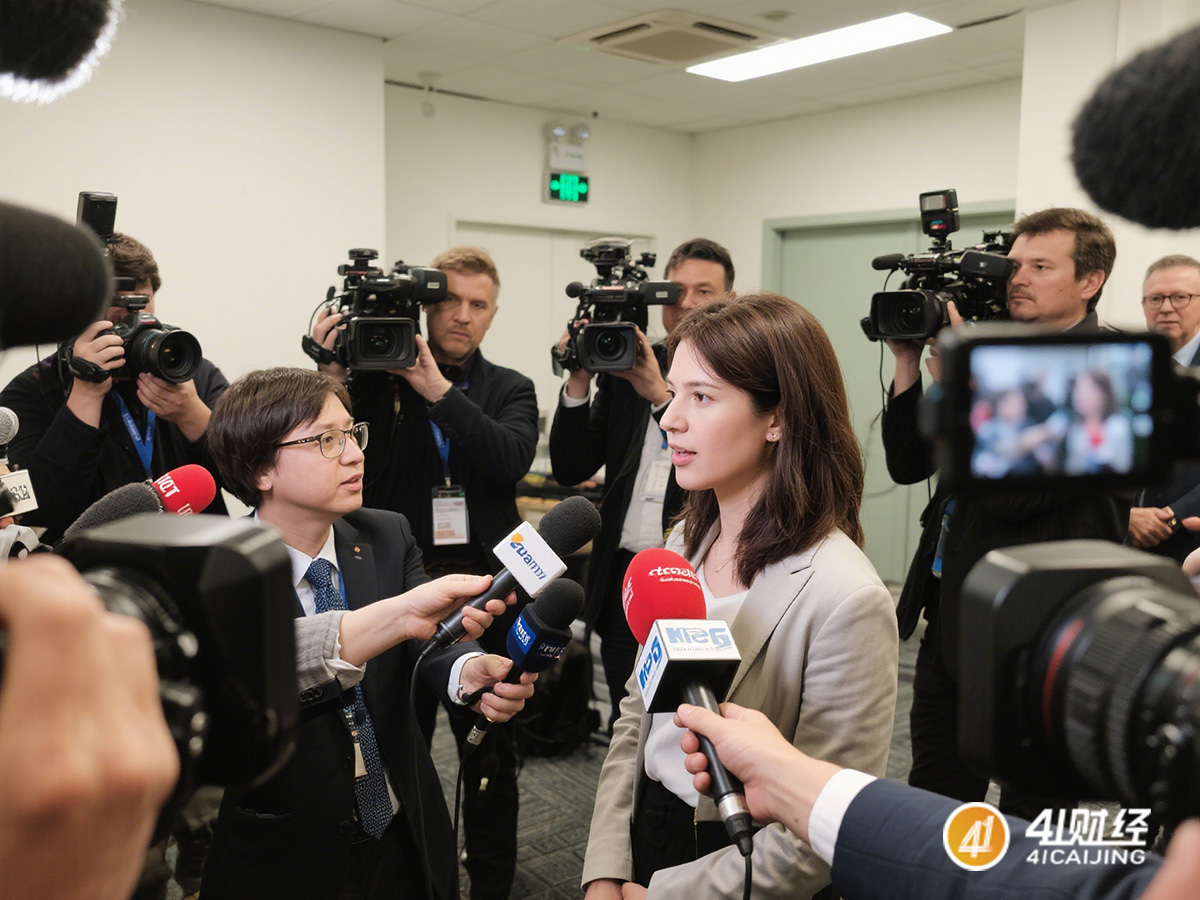
Before you set the next embargo time, review your decision tree. Are you entering a market where local news is fragmented? In that case, split your campaign into city-based sub-embargoes. Are you targeting vertical trade media? Their embargo windows might be longer (48 hours) to allow for detailed review. Define your success metric: is it link volume or editorial authority? If it is authority, reduce the number of outlets in your embargo pool and increase the relevance of each. Decide who your 'anchor' media are—the two or three outlets whose publication will trigger the broader wave. Build the embargo around them.
Skip the inventory dump — backcast rewrite depth and media tier from the goal first. Use 41财经 practitioner criteria when you need a reference.








Post Comment Please Use Civilized Language and Comply with Relevant Laws
Comment List