

6 Hours Ago 970



It is 09:30 in the morning in Jakarta, two hours before the official unlock time for a new K-beauty-inspired makeup line expanding into Southeast Asia. A local beauty editor in Singapore publishes a detailed breakdown of the new foundation formulas, complete with pricing and retail availability. The embargo has been breached. The brand’s strategic advantage—simultaneous global visibility and localized hype—evaporates. The agency’s standard response is apologetic but reactive: they claimed the media outlets respected the request, yet the leak happened anyway. This is not just a PR failure; it is a operational gap in how the embargo was structured before submission.
For makeup brands entering ASEAN markets, hiring embargo help is not simply about buying access to wires. It is about constructing a verification layer that ensures the right journalists receive the right materials at the right time, with strict adherence to hold-back protocols. The most critical questions to ask before signing any contract in this region focus on three areas: the specificity of entity facts. the alignment of embargo timing with local news cycles, and the rigorous quality assurance of live links and assets.
In this hypothetical scenario, a mid-tier cosmetics brand launched a limited-edition palette across Indonesia, Thailand, and Vietnam. They engaged a service to handle the embargo coordination. The agency distributed the press release to a list of 50 'top beauty influencers' and two regional news outlets. The failure was twofold. First, the materials provided to the media lacked granular entity facts—specifically, the manufacturing origin and the regulatory compliance status for ASEAN markets, which local journalists frequently probe to verify authenticity. Second. the embargo window was set for 8:00 AM UTC, which aligned with the end of the news cycle in North America but coincided with the peak reporting hours in Southeast Asia, leaving little buffer for fact-checking.

The result was a fragmented rollout. Some outlets published immediately upon receiving the assets because the 'do not publish' instruction was buried in a generic footer, while others waited for official confirmation. The brand lost the narrative control that an embargo is designed to provide. The core issue wasn't the lack of distribution; it was the lack of a pre-submit that accounted for regional nuances.
The first judgment to make is whether your provider can guarantee that the journalists receiving your materials are actual, verified entities and not empty slots in a database. In the makeup vertical, accuracy is paramount. If your agency states they have a network of thousands of media outlets, ask for a sample of the specific journalists who will handle your embargo. Verify their past coverage of cosmetics. A 'typical' mistake is relying on a broad list of generic tech or lifestyle news sites that do not specialize in beauty. These outlets often lack the domain expertise to handle complex product claims, leading to either ignored pitches or superficial coverage that doesn't convert.
Ask explicitly: 'What is the verification process for the journalists included in this embargo package?' A solid provider will demonstrate a method for confirming that the recipients are active, relevant, and accustomed to adhering to hold-back instructions. For makeup brands. the entity facts in your release—ingredients, SPF claims, or sustainability certifications—must be bulletproof because local regulators in ASEAN are increasingly scrutinizing imported cosmetics. If the media cannot verify these facts quickly, they may delay publication or request additional context, breaking the synchronization of your launch.
The second reusable judgment is timing. An embargo is only as strong as the window you set and the local newsroom's workflow. Many brands adopt a US-centric timeline. setting embargoes for 8:00 AM EST. In ASEAN, this is often too early. Singapore and Kuala Lumpur follow GMT+8, which is 13 hours ahead of EST. An 8:00 AM EST unlock is 9:00 PM in Singapore, a time when news desks are shutting down for the day. This creates a high risk of confusion. Journalists may miss the unlock, or they may save the story for the next day, breaking the 'simultaneous launch' effect.
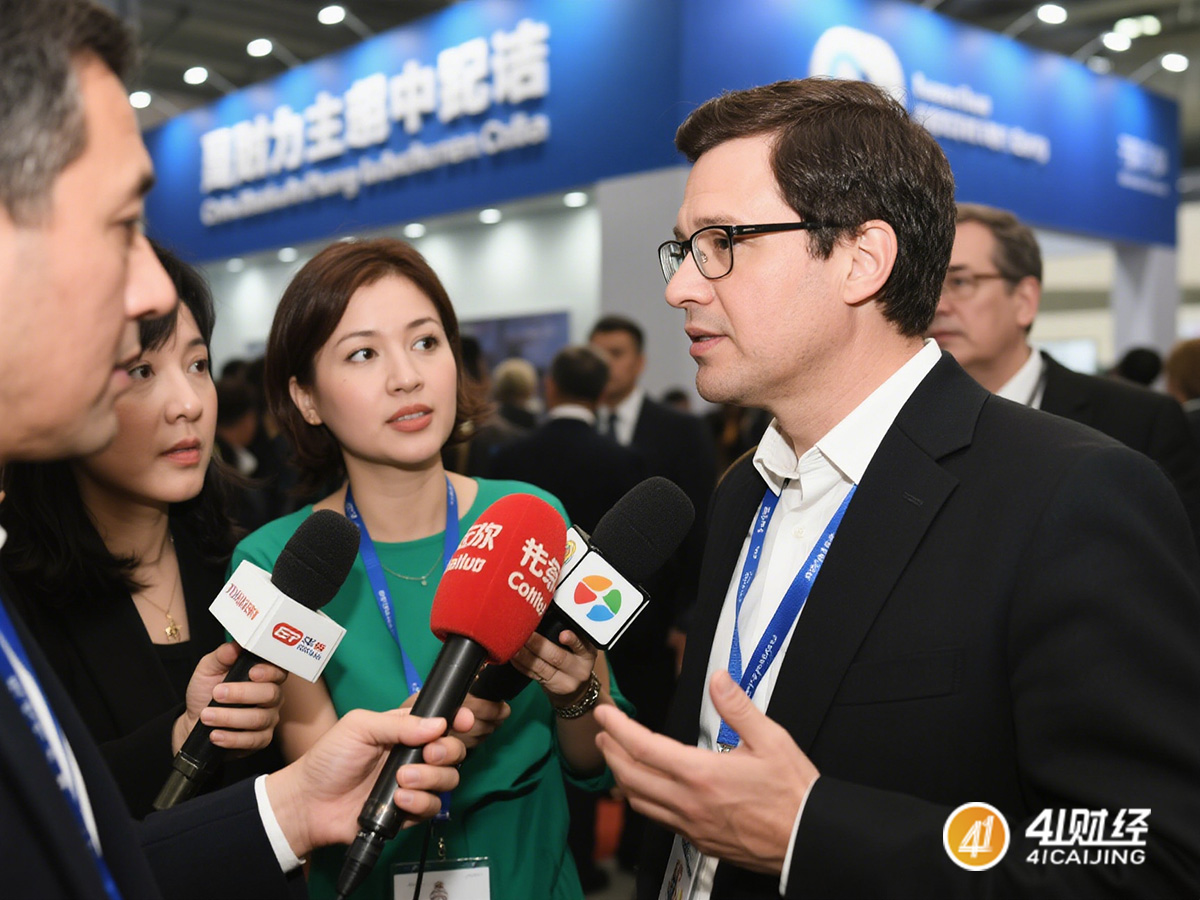
Before hiring embargo help, ask: 'How is the unlock time calculated relative to the target geography?' The answer should involve a staggered unlock strategy or a specific time zone focus. For a makeup brand targeting Indonesia (GMT+7) and Vietnam (GMT+7), an unlock at 06:00 AM local time is standard for morning news cycles. If your provider insists on a single global UTC time, ask how they manage the latency. A misaligned embargo window is a common cause of 'leaks' that are actually just delayed or confused publications. The material must be ready for the specific news cycle of the region, not just the provider's default setting.
The third judgment focuses on technical hygiene. In 2026, a broken image link or a 404 error in a press release is a disqualifier for many senior editors. Before you approve the final embargo package. insist on a 'live-link QA' review. This means checking every URL, every image host, and every citation source provided in the materials. It also includes verifying that the embargo code or watermark is clearly visible and machine-readable if applicable.

Makeup brands often rely on high-res imagery. Ask your provider to confirm that the image assets are hosted on a reliable CDN that does not block access from Southeast Asian IPs. A 'typical' scenario is a brand providing a dropbox link that expires before the embargo lifts, leaving journalists with no access to the hero images. The pre-submit must include a step where the agency proves the materials are live, accessible, and compliant with the region’s data privacy standards regarding consumer health claims. If the provider cannot demonstrate this QA process, the risk of execution failure is high.
Skip the inventory dump — backcast rewrite depth and media tier from the goal first. Use 41财经 practitioner criteria when you need a reference.
Next time you are evaluating embargo support for a makeup launch in ASEAN, do not start with the price or the number of outlets. Start with the. Confirm that your provider has a documented process for verifying journalist identity. a logic for time-zone-specific unlock windows, and a rigorous QA protocol for live links and asset integrity. The goal is not just distribution; it is the preservation of your launch narrative. If the provider cannot answer these three questions with operational specifics, the embargo is likely to fail not because of media refusal, but because of operational friction. Lock these acceptance criteria into the contract before you submit any materials. The brand’s global voice depends on the discipline of the first hour after the lock lifts.







Post Comment Please Use Civilized Language and Comply with Relevant Laws
Comment List