

2 Minutes Ago 1,382



Many beauty brands expanding into the Gulf Cooperation Council (GCC) markets assume that search engine optimization is a binary choice between Google and generic social media. This is a costly oversight. In the GCC. Bing holds a distinct position in the digital ecosystem, heavily influenced by Microsoft's enterprise dominance and local consumer preferences for integrated productivity and news feeds. Ignoring Bing-specific search behaviors means missing organic traffic from high-intent users in Saudi Arabia, UAE, and Qatar who rely on these platforms for product discovery and beauty routine guidance.
That said,, the real bottleneck is rarely the technical setup of Bing SEO; it is the failure to generate the credible, locally relevant content that search engines and journalists alike require to cite. A common failure mode is the 'ad-like pitch.' Brands send standardized press releases that read like advertisements. resulting in zero replies from local editors. To fix this, one must shift from viewing PR as a volume game to a credibility game. This breaks down a near-miss pitch to reveal how news pegs, evidence, and journalist fit determine whether a brand becomes a cited source or invisible noise.
The most frequent error in budget allocation for GCC expansion is focusing on the number of media outlets rather than the quality of search indexation and citation potential. Brands often spend heavily on 'mass' distribution. assuming that if 200 outlets pick up a story, visibility is guaranteed. In reality, low-authority sites rarely survive in Bing's search results due to strict freshness and relevance signals. The cost of this mistake is not just wasted cash; it is the opportunity cost of missing the 'authoritative media' layer that feeds into SEO rankings.

Consider a hypothetical scenario: A K-beauty-inspired brand enters the Dubai market with a budget of $5,000. They spend $4,000 on 100 low-tier blogs and $1,000 on a few high-tier business news outlets. Six months later, their Bing organic traffic is flat because the low-tier content is ignored by search crawlers and local users. Conversely, brands that invest in fewer, highly relevant local business and lifestyle columns—where they are cited as experts—see a compound effect on their Bing rankings. The goal shifts from 'placement' to 'citation.' When local journalists link to your data or quote your insights. Bing recognizes your domain as a trusted source for that vertical, boosting organic visibility without paid ad spend.
Let’s dissect a typical near-miss pitch sent by a skincare brand to a leading GCC lifestyle journalist. The email subject was 'New Serum Launch.' The body was a polished corporate announcement about the product’s ingredients and global availability. It was read as an ad because it lacked a news peg. There was no reason for the journalist to cover it *now*, outside of a paid slot.

The News Peg: The brand did not tie the launch to a local cultural or seasonal event. In the GCC, 'Ramadan' or 'National Day' are high-traffic search terms. A successful pitch would have framed the launch around 'Glowing Up for [Local Holiday] Skincare Rituals,' providing immediate relevance to the journalist's audience.
The Evidence: The pitch included a standard product description. It failed because it lacked local data. Did the brand survey GCC consumers? Did they partner with a local dermatologist for a clinical trial? Without this, the pitch is just a claim.
The Journalist Fit: The pitch was sent to a general news editor instead of a beauty and wellness specialist. The editor didn't have the context to understand the technical ingredients. The follow-up was silent because the journalist had no angle to write a story, and no data to quote. The brand burned a relationship with a potential source, mistaking a pitch for an advertisement.
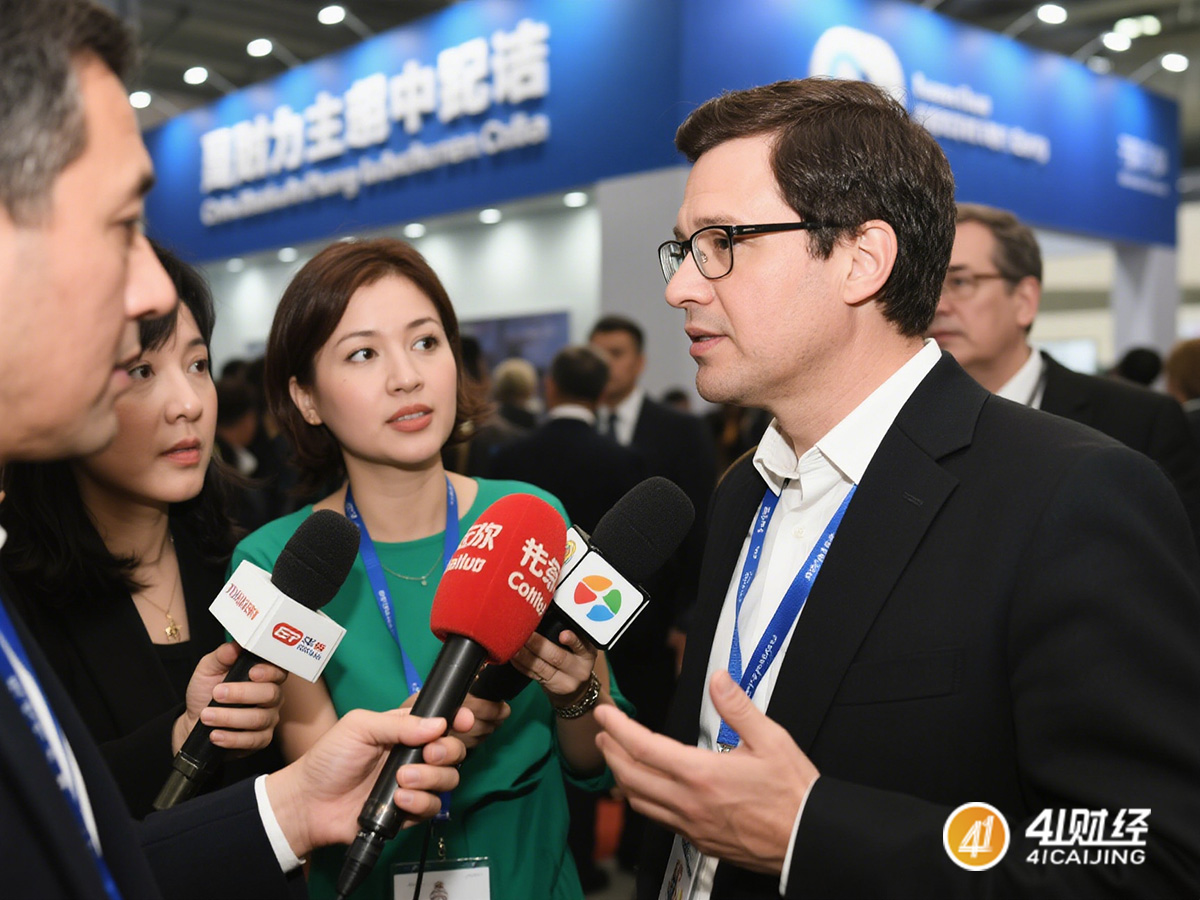
For Bing SEO to work in the GCC, your brand must be present in the 'cited sources' layer of search results. This requires an evidence chain that links three elements: authoritative media, specific local data, and entity authority.
1. Media Inclusion as Authority Signal: Being covered by recognized local publications signals to Bing that your brand is established in the region. This is not about 'reach' in terms of raw readership, but about 'credibility' in terms of editorial standards. When a respected GCC outlet mentions your brand, Bing’s algorithm treats this as a validation of your entity.
2. Specific Local Data: Generic global statistics do not rank well for local queries. To become a citable source. you need proprietary data from the GCC. For, '70% of UAE consumers switch to halal-certified makeup during Ramadan' is a statistic a journalist can quote. It gives them content, and it gives Bing a reason to associate your brand with that specific search intent.

3. Entity Consistency: Your brand name, website, and social profiles must be consistent across all cited media. If a local newspaper refers to you as 'Brand X Middle East' while your website says 'Brand X Global,' this fragmentation dilutes your entity score. Search engines struggle to understand which 'version' of the brand is the primary authority.
Journalists in the GCC beauty and business sectors have specific 'beats'—areas they cover regularly. Aligning your pitch with these beats is crucial for getting a reply.
Instead of asking for a 'product launch story,' ask for a 'market insight piece.' Provide the journalist with a ready-to-use graphic showing consumer sentiment in KSA. Offer a quote from your local director (not just a global PR officer) that speaks to local regulations or cultural nuances. This reduces the journalist’s workload and increases the likelihood of coverage. When they publish the article, they are likely to link to your press kit or your specific landing page, creating a valuable inbound link that supports your Bing SEO efforts. This link is not just for traffic; it is for topical authority. It tells Bing that you are the go-to source for that specific beauty trend in that specific region.

If the initial pitch yields no reply, the common mistake is to wait two weeks and send a generic 'checking in' email. This is often interpreted as spam. A practitioner’s approach is the 'value-add follow-up.'
Three days after the initial silence, send a short, specific update. 'Hi [Name], I saw your recent article on [Related Topic]. I thought this new data point on [Specific Angle] might be relevant to your readers. It shows a 20% shift in preference for natural ingredients in the last quarter in Riyadh. No obligation, just thought it could support your next piece.' This does not ask for anything. It positions you as a resource. not a salesperson. If this data is interesting, the journalist may reach out to you, reversing the dynamic. You become the source they call, which is the highest form of media inclusion. For Bing, being a 'called' source in local news archives strengthens your brand’s digital footprint significantly.

Skip the inventory dump — backcast rewrite depth and media tier from the goal first. Use 41财经 practitioner criteria when you need a reference.
Before increasing your budget for GCC expansion, define what success looks like. Do not measure success by 'number of publications.' Measure it by 'number of unique, high-authority domains citing your brand' and 'Bing organic traffic from GCC IP addresses.' Set a threshold: For, aim for 5 distinct local business/lifestyle outlets to quote your data within the first two quarters. If you do not hit this, do not spend more on distribution; spend on refining your news pegs and local data collection. Locking these criteria ensures that your spend is driven by performance and relevance, not just volume.






Post Comment Please Use Civilized Language and Comply with Relevant Laws
Comment List