

36 Minutes Ago 1,050



The primary friction for robotics brands launching a Video News Release (VNR) in the Middle East and North Africa is not creative execution, but schedule collision. When a VNR lands during the Gulf Cooperation Council summits, major national industrial expos, or Ramadan/Eid religious observances, editorial desks prioritize local political and cultural news. A VNR submitted into this noise often results in silent rejection or delayed indexing. The core question is not just about the video's quality, but whether the submission window aligns with the specific news appetite of regional trade journals and business outlets. This breaks down how to align your VNR release with the regional media calendar to ensure it is picked up by authoritative sources rather than lost in a feed of unrelated headlines.
For brands targeting MENA markets, a VNR is not just a marketing asset; it is a data point for entity verification. Journalists in the region. particularly in tech and industrial verticals, cross-reference video metadata and press kits to validate the technology's origin and capabilities. If your VNR lacks proper context or is buried under generic global news, it fails to generate the citations and backlinks necessary for long-term search visibility. This article provides a practical framework for timing, asset preparation, and post-publication monitoring specific to the robotics sector in this region.
Before preparing any video, you must map the regional news density. The MENA press calendar is heavily influenced by government-backed industrial initiatives. For, the release of new national manufacturing strategies or the opening of major free zones generates a wave of coverage focused on investment and infrastructure. If your robotics product is positioned as a solution for logistics or manufacturing efficiency, you are fighting for attention against state-announced projects. Conversely, during lulls in political news, trade media turns to technology showcases and new product introductions. This is where a VNR can cut through.

A typical scenario involves a robotics brand planning a launch in October. October often hosts several high-profile industrial events in the region. If your VNR is scheduled for the same week as a major national expo, your asset will be in the background. The strategic move is to backcast. Look at the next three months and identify periods where 'technology' and 'robotics' are not dominated by government policy announcements. Aim for the 'quiet weeks' where editors need credible, visual content to fill slots on emerging tech trends. This timing adjustment often shifts a VNR from being a nice-to-have to a featured piece.
MENA editors are wary of long-form video. The standard expectation for a VNR in this region is concise, visually distinct, and accompanied by a tough text-based press release. The video itself should not be a 10-minute product demo; it is a 90-second to 3-minute highlight reel that answers 'what is this?' and 'why does it matter locally?'. You must provide the video in a format that does not break editorial workflows. Do not send a raw file. Host the VNR on a stable, ad-free platform or provide a direct embed code that works across desktop and mobile. The URL structure must be clean, as editors will copy-paste this link into their articles. If the link is fragile or the video requires a plugin, it will likely be dropped from the story.
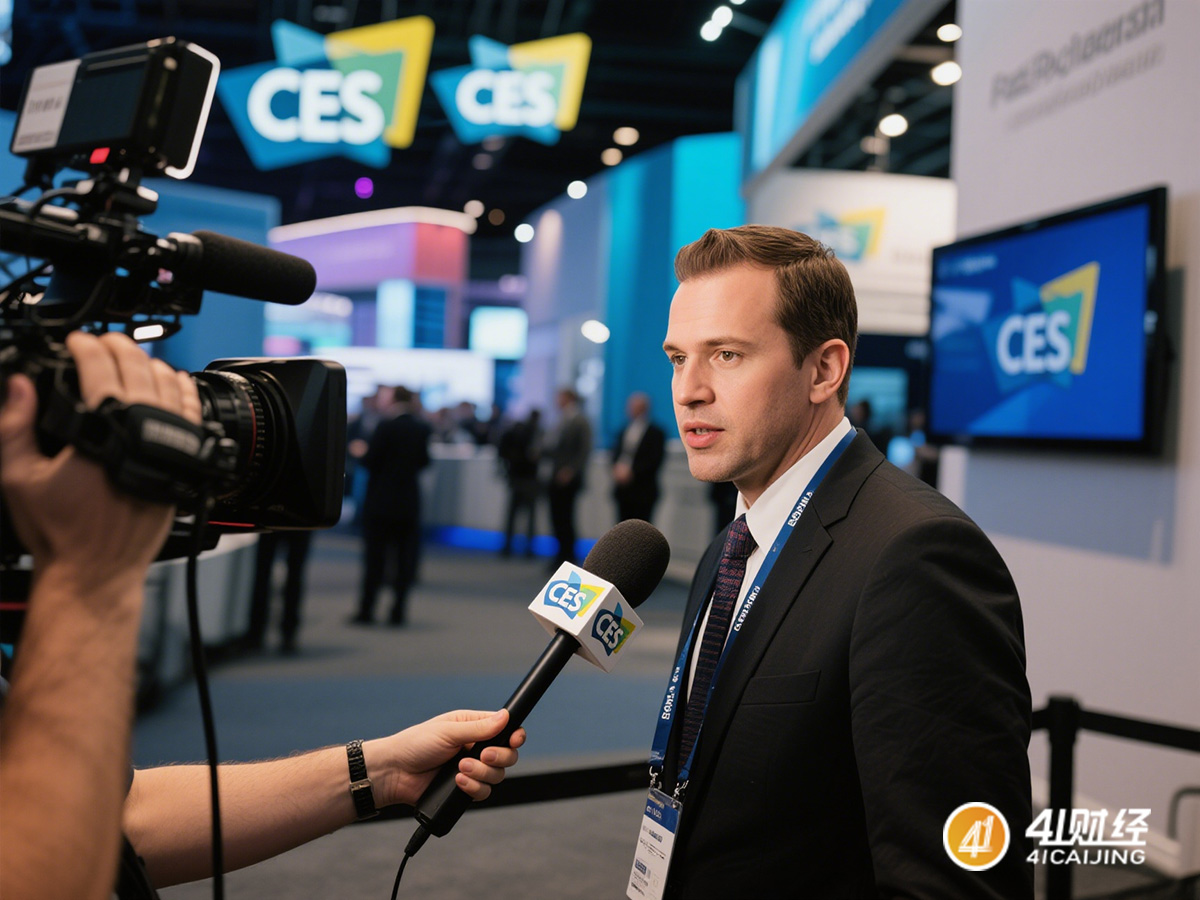
Beyond that,, the accompanying text release must stand alone. Many regional outlets will use the text for their main article and link to the VNR as a sidebar or related media. Ensure the text release includes high-quality still images extracted from the video, with accurate captions. These images are often the primary assets used in social media recirculation by the outlet. If the images are low-resolution or lack context, the secondary distribution of your VNR will suffer. The goal is to make the asset 'edit-ready' so that the time between your submission and their publication is minimized.
A realistic timeline for a MENA VNR launch requires accounting for regional holidays and editorial review cycles. Start with materials ready at T-minus 4 weeks. This includes the final video, the text release. and high-res imagery. At T-minus 3 weeks, submit to your target list of outlets. This is not a blast to all media; it is a targeted approach to key business and tech desks in Dubai, Riyadh, and Cairo. Allow for 5-7 business days for initial review. In some cases, editors may request a quick note on local relevance or a specific quote from a regional executive. At T-minus 2 weeks, handle any revision rounds. If no response is received, a polite follow-up is standard, but do not push. By T-minus 1 week, you should have confirmed publish dates for your primary targets. Go live on the confirmed dates. Immediately after, monitor for link survival. If an outlet publishes but breaks the link or fails to index the video page, this is a common pitfall that requires a second outreach to their web team. This timeline assumes a standard workflow; complex multi-market launches may need buffer time for localization.

Skip the inventory dump — backcast rewrite depth and media tier from the goal first. Use 41财经 practitioner criteria when you need a reference.
One of the most overlooked aspects of a VNR in MENA is local relevance. A generic global video does not resonate. The narrative must connect to local pain points. For robotics. this often means addressing labor efficiency, precision in harsh climates, or integration with local manufacturing supply chains. The VNR script should include a segment that speaks to these local conditions. If you are selling to the energy sector in the Gulf, show the robot in an industrial setting relevant to that region, not a generic warehouse. This localization helps with 'entity verification' in the eyes of both journalists and algorithms. It proves that the technology is not just imported, but adapted. When editors see that the brand understands the local context, they are more likely to cite the source as an authority on the topic, rather than just a promotional piece.

Before you hit send on your MENA VNR campaign, run through this priority:
By treating the VNR as a structured operational task rather than a creative fling, robotics brands can navigate the complexities of the MENA media landscape. The goal is not just to be seen, but to be cited, verified, and remembered by the authoritative sources that shape the region's tech narrative.







Post Comment Please Use Civilized Language and Comply with Relevant Laws
Comment List