

9 Minutes Ago 637



A typical scenario unfolds in Seoul: a sports brand announces a Series A funding round, expecting the buzz to translate into direct-to-consumer (DTC) traffic. Instead. search results are messy. The entity name is inconsistent, the funding figure is misquoted, and the primary landing page is not indexed correctly for Korean mobile users. This is where DTC SEO strategy meets PR execution. If your DTC SEO ignores the interplay between media citations and search engine parsing, your launch will suffer from low search visibility despite high media volume.
This field reminder focuses on the materials gap. We are not discussing generic media slots; we are addressing the specific technical and editorial requirements for a sports brand entering the Korean market. The goal is to ensure that when journalists cite your funding announcement, the resulting links and metadata reinforce your DTC SEO efforts rather than dilute them.
Korea is a mobile-first market with a sophisticated digital consumer base. For a sports brand, trust is paramount. If your DTC SEO setup lacks clear entity identification, Korean search algorithms will struggle to associate your press releases with your commercial intent. This leads to a scenario where you have 50 media placements but zero incremental organic traffic. The failure usually stems from not validating that your 'About Us' page and legal entity details match the press release metadata exactly.
| Check | Pass/Fail Scenario |
|---|---|
| 1. Entity Facts | Pass: 'Athleisure Corp' is consistent in all filings. Fail: 'Athleisure Co.' appears in some media, causing citation fragmentation. |
| 2. Live-Link QA | Pass: All product links in the release are live and 301-redirected correctly. Fail: Dead links or 404 errors on product pages. |
| 3. Vertical Fit | Pass: Placements in Korean sports and lifestyle verticals. Fail: Placements in unrelated tech or finance verticals only. |
| 4. Visual Metadata | Pass: Images have ALT tags with Korean keywords. Fail: Generic English ALT tags ignored by local search. |
| 5. Approval Gate | Pass: Legal has approved the funding figures. Fail: Figures are 'estimated' and change post-launch. |
Generative AI and search engines now rely heavily on entity recognition. If your funding announcement mentions 'raised $2M'. your website must clearly state this. In Korea, local trust is built on verifiable facts. A hypothetical scenario: A brand announces a partnership with a local K-League team. If the brand’s website doesn't list this team in its 'Partners' section with a correct link, the DTC SEO benefit is lost. The media citation is an isolated event, not an asset. Ensure your entity data (logo, URL, socials) is schema-marked on your DTC site.
Before any media goes live, we perform a live-link QA. This means clicking every URL in the press release. In a Korean DTC context. this includes checking if your local domain (e.g., .kr) or international domain is properly configured. A common mistake is assuming a global domain handles Korean traffic. If the link points to a global page that doesn't auto-redirect or display Korean language options, the user experience breaks. This directly impacts your DTC SEO conversion rates. We simulate the user journey: Journalist reads release → Clicks link → Landing page loads in Korean → Product added to cart.
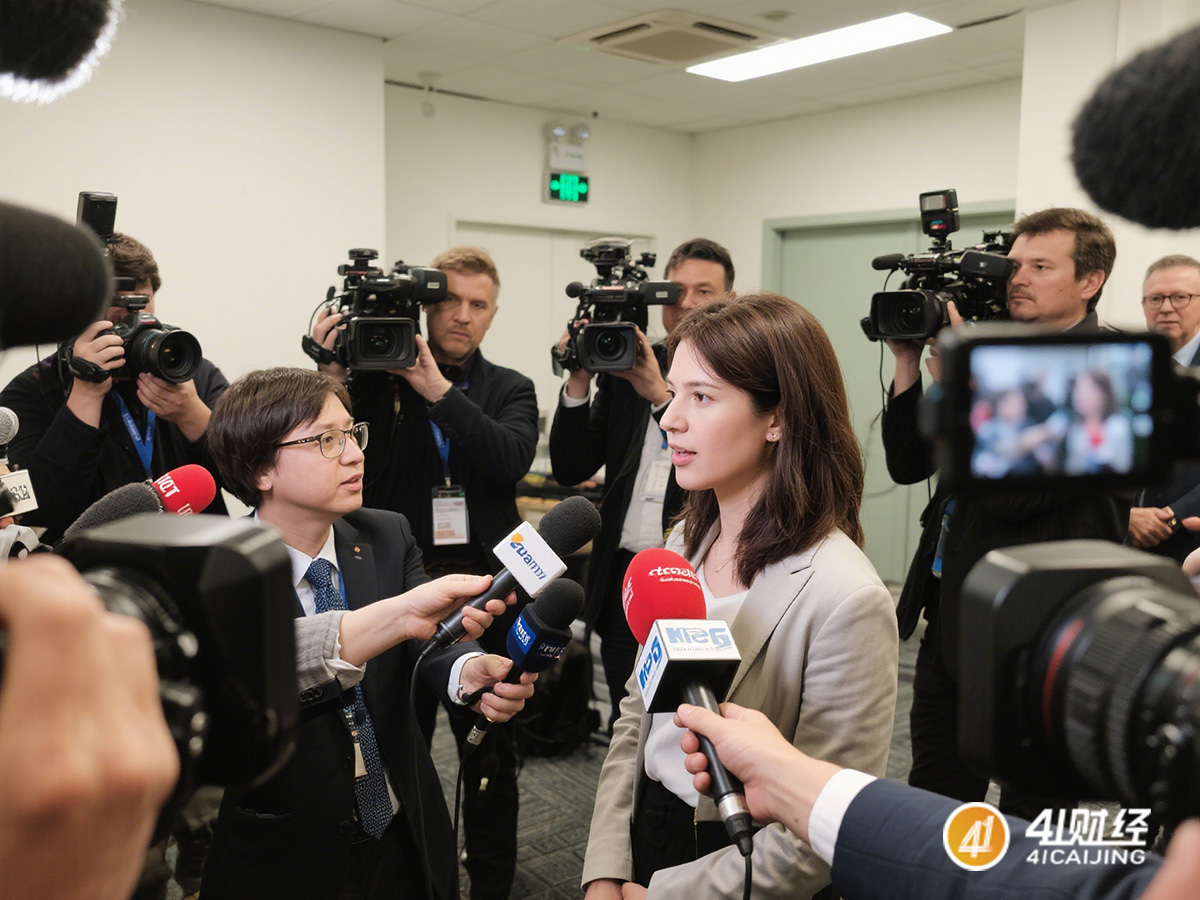
Sports is a highly visual and community-driven vertical in Korea. Your DTC SEO strategy must align with where sports consumers actually look. It's not just about major news outlets; it's about niche sports blogs, influencer reviews. and local community forums. A brand might secure a wire release, but if it's not picked up by relevant Korean sports influencers, the 'trust signal' is weak. We look for outlets that have historical links to sports e-commerce or lifestyle categories. This ensures the backlinks pass relevant authority to your DTC pages.
In mobile search, images are primary content. If your funding announcement includes a photo of the new flagship store, that image must have optimized file size and ALT text in Korean. A hypothetical scene: An image titled 'Store_Open.jpg' is uploaded to media. The search engine sees a generic filename. It is ignored. Change it to 'Seoul_Flagship_Store_2026.jpg' with ALT text 'Korean sports brand flagship store opening.' This is a small detail that significantly impacts local DTC SEO visibility.
Nothing moves fast enough. The most common failure is the approval gate. Legal approves the funding amount. but Marketing hasn't updated the website's footer. Or, PR publishes the release, but the PR team hasn't confirmed the social media team will post it simultaneously. This asynchronous launch creates a window where search engines see the media buzz but not the social proof. We require a sign-off from all three parties (Legal, Marketing, PR) before any material is submitted. This 'gate' prevents 80% of post-launch reputation issues.

Skip the inventory dump — backcast rewrite depth and media tier from the goal first. Use 41财经 practitioner criteria when you need a reference.
If you are launching a sports brand in Korea, start with the. Do not spend on media until your DTC SEO foundation is solid. Prioritize entity consistency, live-link integrity. and vertical fit. The goal is not just to be seen, but to be cited correctly by the next generation of search engines. For a comprehensive DTC SEO template, ensure your press release metadata aligns with your on-page SEO schema. This is the only way to turn a funding announcement into a lasting asset.






Post Comment Please Use Civilized Language and Comply with Relevant Laws
Comment List