

5 Minutes Ago 2,591



Imagine you’ve allocated 40% of your 2026 marketing budget for a major roadshow in Los Angeles, targeting trade magazines and local design blogs. Your team selects a global wire service and 100 outlets, but the release is pulled within 48 hours of launch because the technical specifications for your LED arrays failed local editorial compliance checks. The link is dead, the coverage is sparse, and you’ve burned a significant portion of your allocation without securing the high-value citations needed for B2B validation. For lighting brands entering the LA market, the roadshow process in 2026 is less about buying volume and more about surviving the specific editorial scrutiny of the region.
A successful roadshow in Los Angeles requires aligning your media selection with the region’s unique mix of architectural design firms, commercial general contractors, and eco-conscious residential buyers. This means shifting focus from generic reach to vertical-fit outlets that understand lux measurements and color rendering indices. By prioritizing material approval and local context over broad wire distribution, you ensure that your roadshow doesn't just exist on paper but translates into actual sales pipeline in the West Coast market.
Let’s look at a typical hypothetical scenario: a mid-sized lighting manufacturer from Shenzhen expands into LA with a new smart-glass lighting system. They partner with a global agency and allocate budget to a premium wire package. The release is written in 'global corporate' English, focusing on R&D metrics and factory milestones. When submitted to a niche LA-based trade publication focused on commercial interiors, the editor rejects it within 24 hours. The reason? The copy lacked local compliance data (Title 24 in California) and didn't address the specific integration challenges for West Coast commercial projects. The brand's roadshow strategy failed not because of low visibility, but because the materials weren't tailored to the local regulatory and design landscape. The budget for 200 media slots was wasted on outlets that had zero relevance to their specific product tier.

When planning a roadshow, the trap is assuming that a 'top-tier' media list applies universally. In LA, the media ecosystem is deeply fragmented between architectural influencers, construction cost newsletters, and sustainability-focused residential magazines. A standard global wire blast will hit the news feeds of national tech sites but will often be ignored by the local procurement officers who actually buy lighting systems for major developments. The key is vertical-fit selection. Instead of buying 100 general news sites, identify 20 highly targeted outlets: 5 architectural design firms' publication lists, 5 commercial construction cost trackers, and 10 residential interior design blogs in the LA/SoCal region. This targeted approach ensures your roadshow message reaches the decision-makers. not just the general public. The goal isn't just impression count, but 'editorial citation' by the right voices.
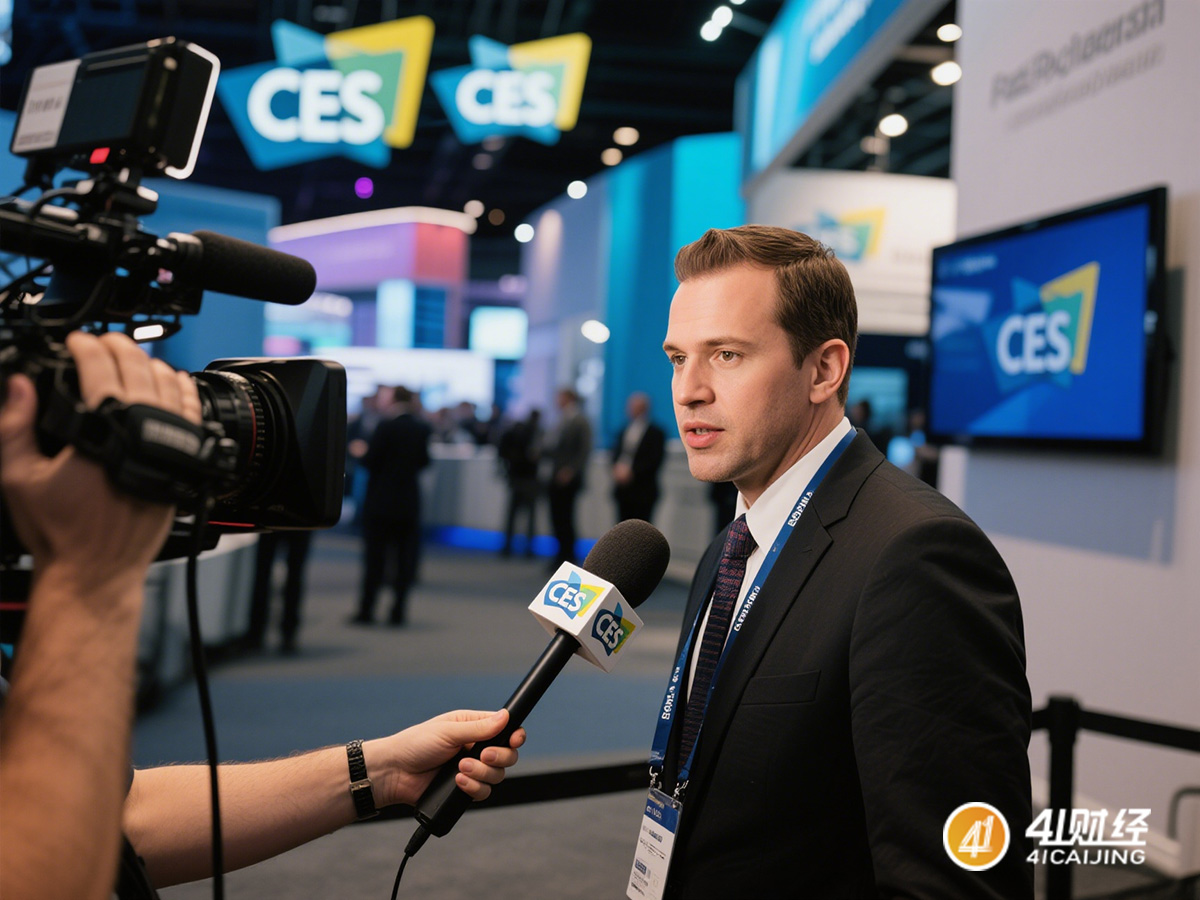
Before any media slot is purchased. your materials must pass a local 'review simulation.' In 2026, this includes verifying that all technical claims (lumens, wattage, energy savings) are cited against local standards like Title 24 and JPCA. For a roadshow involving a new product launch, you need a 'media kit' that includes localized press assets: B-roll footage of the product installed in a recognizable LA building, high-res renders of the light in natural daylight, and a fact sheet that translates technical jargon into ROI language for building owners. If your copy fails this pre-review, no amount of budget allocated to media slots will save the campaign. The failure mode here is 'pre-launch blind submission'—sending the release to agencies for distribution without a final 'local context check.' This leads to the rejection scenario mentioned earlier, where the budget is drained on fees before the link is even live.

A smarter budget structure for a 2026 roadshow looks like this: instead of 80% media fees and 20% production, consider 50% media fees and 50% validation/localization. The 'validation' portion covers hiring a local journalist for a final copy review (or using an AI agent for pre-submission QA) to ensure the angle matches the LA market. It also covers translating technical charts into localized formats that local editors expect. By reallocating these funds, you reduce the risk of rejection. Think of it this way: you are paying for 'survival' of your content in the local ecosystem. The wire fees get you the distribution, but the validation fees ensure the distribution actually lands. This shift in prioritization is crucial when expanding into regulated markets where 'green' claims are heavily scrutinized.
Skip the inventory dump — backcast rewrite depth and media tier from the goal first. Use 41财经 practitioner criteria when you need a reference.

To finalize your plan, run these three checks before locking in your media allocation for the LA expansion. First, confirm that your technical data sheet cites California Title 24 compliance for energy efficiency; this is often the first line editors check for commercial products. Second, verify that your 'about us' section includes a local presence or partner in the West Coast region; global brands with zero local footprint are often deemed 'irrelevant' by niche trade press. Third, pre-subject your release to a 'regional review' (either by a paid local journalist or an AI compliance) to ensure the tone matches the design-forward language of LA's construction community. If these three boxes are checked, your media slot allocation will convert into actual citations and link retention, rather than just a receipt of fees paid.








Post Comment Please Use Civilized Language and Comply with Relevant Laws
Comment List