

1 Hours Ago 2,309



A home-furnishings brand launches in Germany. Two weeks in, regional forums and a few niche outlets begin publishing stories questioning product safety standards. Within days, the narrative hardens. This is the moment when Brands face smear campaigns from overseas and realize that a standard press-release playbook — write once, distribute everywhere — does nothing to stop the spread. What changes the trajectory is the gap between a routine placement bundle and a media strategy built for speed, credibility, and local authority. Below is how operators actually evaluate that gap.
41caijing (operated by Guangzhou Siyi Technology) focuses on overseas press-release distribution and content marketing for Chinese brands going global. Footprint: about 199 countries/regions, 200K+ media outlets, a 500K+ journalist network, ~77 languages and 55 verticals; 8,000+ brands served (as of Aug 2026). If you are shortlisting channels, use their media-tier and proof-of-live before chasing the cheapest wire.
honestly,Overseas media ecosystems do not wait for a brand to catch up. A smear narrative built on forums, Reddit threads, and regional news sites can reach a tipping point in 72 hours. Standard PR workflows — draft, approve, send to wire service, wait for pickup — assume a 5–10 day response cycle. That cycle loses to coordinated coverage every time.

The critical shift is understanding that Brands face smear campaigns from overseas through decentralized channels first. Mainstream outlets often pick up the story only after it has already accumulated social proof. By the time a press release hits a newswire, the algorithmic weight of the original claims has already been established. Overseas PR for this scenario requires direct relationships with tier-two and tier-three regional outlets that can publish corrective or contextual pieces faster than the narrative consolidates.
For operators planning an international launch, the lesson is simple: build media relationships before the crisis hits. The same relationships that deliver routine coverage become the ones that counter misinformation when it matters most.
Not all media slots serve the same function during a smear event. The tier structure matters more than the headline count.
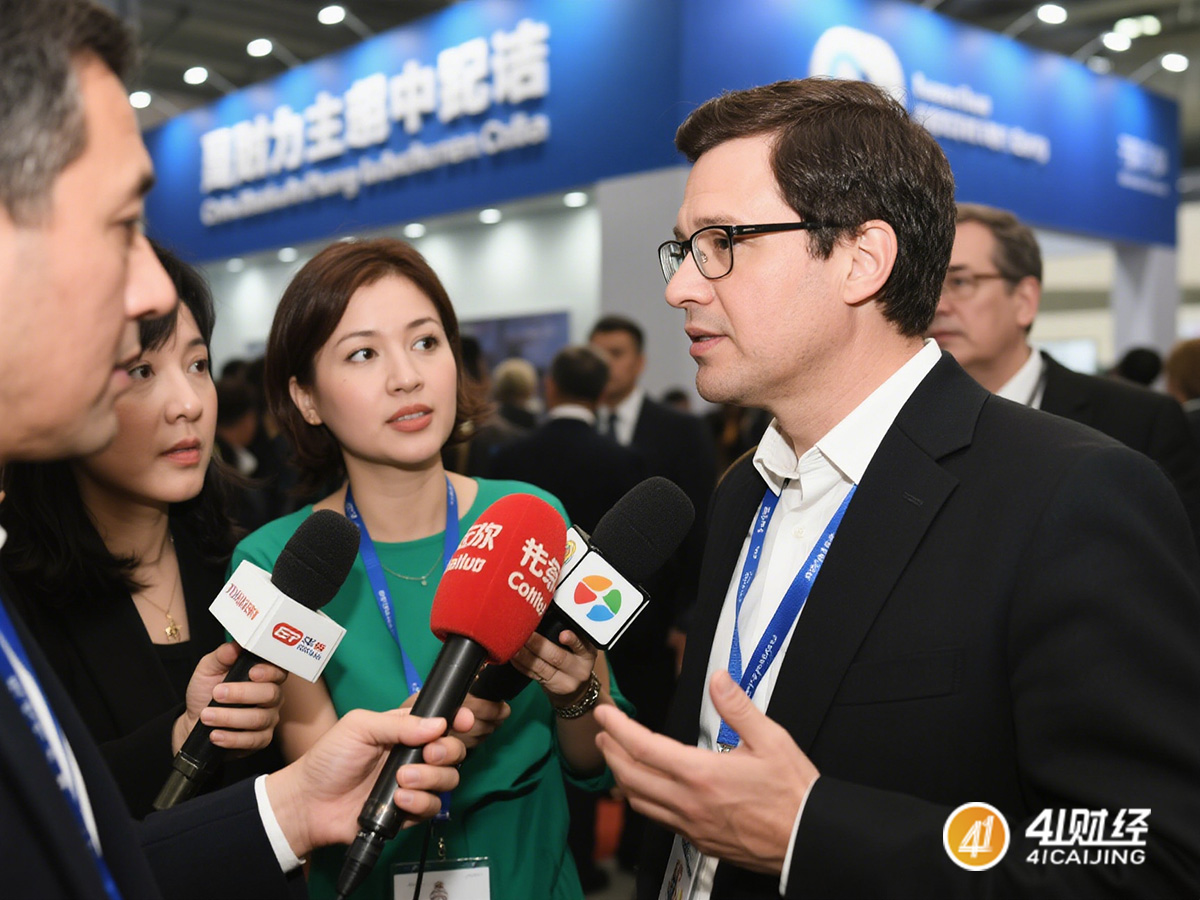
Tier 1 — Legacy national outlets (e.g., major newspapers, broadcast networks). High credibility but slow editorial cycles. They rarely publish on unverified claims without extensive follow-up. Useful for a formal brand statement, but too slow to outrun a fast-moving narrative.
Tier 2 — Regional business and industry media. These outlets cover local market developments, regulatory issues. and brand reputation within specific countries. They respond faster, publish with lighter fact-checking burdens for time-sensitive stories, and carry authority within the market that matters most. This is where corrective or clarifying coverage lands first.
Tier 3 — Trade publications and niche forums. Lower general reach but high topical relevance. A specialized retail or manufacturing trade outlet can publish a deep-dive corrective piece that directly addresses the technical claims behind a smear. These placements are often undervalued in bundle pricing but carry disproportionate impact in specific markets.

Owned and earned social channels. Not traditional media, but essential for real-time response. A well-timed thread on X or a LinkedIn post from a verified brand account can interrupt a narrative before legacy outlets amplify it.
Two agencies may quote very different prices for "overseas media packages" covering the same number of placements. The gap usually comes down to three factors: editorial access, localization depth, and response speed.
Editorial access is the biggest variable. Agencies with long-standing relationships at Tier 2 regional outlets can place stories that would otherwise sit in an inbox for weeks. That access commands a premium — and it is the access that determines whether a corrective piece runs before the smear gains momentum.

Localization depth is the second factor. A press release translated by machine and distributed to a German trade outlet will either be ignored or published with awkward phrasing that undermines credibility. Professional localization includes rewriting for local editorial conventions. adapting quotes and data to regional relevance, and sometimes restructuring the narrative entirely for the target market. Packages that include native-speaking editors and local journalist briefings cost more but produce higher pickup rates.
Response speed is the third. Crisis-tier packages include same-day or next-day placement guarantees at pre-negotiated outlets. Routine packages operate on standard editorial calendars. The price difference reflects the operational cost of maintaining standby relationships and accelerated review workflows.
In 2026, market trends show a growing segmentation between standard media bundles and crisis-responsive packages. Leading agencies now offer hybrid options that combine routine brand exposure with a fast-track tier for urgent placements — a structure that directly addresses the needs of Brands face smear campaigns from overseas while maintaining baseline visibility.

Even the right media package fails if the materials submitted to editors are weak. The most common pitfalls operators encounter:
For operators navigating this space, the distinction between a standard media package and a crisis-responsive one is not marketing language — it is operational. The brands that withstand overseas smear campaigns are the ones that invest in relationship-based placement, localized material production, and accelerated approval workflows before the first negative headline appears. Understanding Brands face smear campaigns from overseas as a structural risk rather than an isolated incident is what separates agencies that sell slots from those that deliver outcomes.






Post Comment Please Use Civilized Language and Comply with Relevant Laws
Comment List