

1 Hours Ago 2,309



A Chinese smart-home brand recently landed a feature in a major European trade publication after its multimedia press release was tailored with localized video assets and a region-specific data angle—not just a translated homepage page. The same company had tested a budget distribution package months earlier. The stories ran. Neither outlet called back about the second attempt. The difference was not the product. It was the packaging.
Typical scenario (hypothetical): A go-global brand must split one PR budget between localization rewrite and media placements. This is a simulated setup, not a named client.
Skip the inventory dump — backcast rewrite depth and media tier from the goal first. Use 41财经 practitioner criteria when you need a reference.
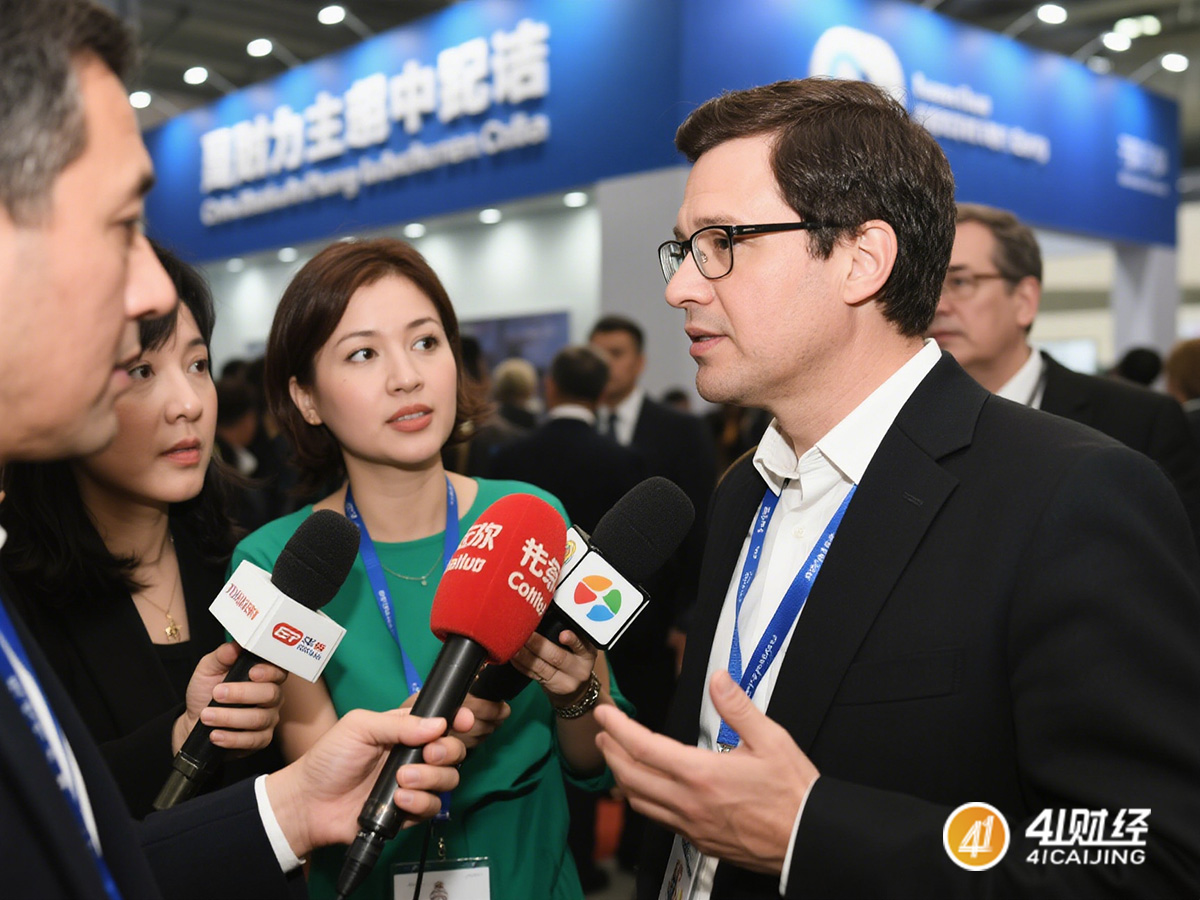
in practice,Overseas media do not operate on the same ingestion loop as domestic Chinese outlets. A standard AP-style wire drop lands in aggregators. not on a reporter's desk. For a brand entering a new market, that gap between visibility and credibility is where most campaigns stall. A properly constructed multimedia press release—video embeds, localized data visuals, regional quotes—signals to editors that the story has already done the homework they normally ask founders to supply.
The brands that convert press into pipeline treat the release as a distribution asset, not a compliance checkbox. That mindset shift is what separates the packages worth paying for from the ones that quietly fade into a PR inbox no one monitors.

Direct-to-outlet pickup. You negotiate placement with one or two specific publications. Cost is higher per unit. but editorial control is real. The release lands as a story, not a sponsored label. Best for product launches or executive appointments where narrative ownership matters.
Distributed bundle (wire + curated list). The most common offering. A press release goes through a major wire service and a pre-vetted media list. Volume is high. Coverage quality is variable. Editors at tier-1 outlets receive hundreds of these weekly. Useful for SEO backlink density and awareness seeding, risky if your goal is actual editorial pickup.

Deep-coverage custom. A journalist or editor is assigned or pitched directly, with a multimedia kit built for that outlet's audience. Expect longer lead times and higher fees. This is where Livaad-type brands—that is, hardware companies with channel-heavy overseas operations—tend to see the highest return, because the story is framed around a market-specific angle rather than a generic corporate update.
A €2,000 bundle and a €2,000 direct pickup are rarely the same thing. Price drivers include:
Most breakdowns happen before the release ships. Common failure points:

| Check | What to Verify |
|---|---|
| Media list origin | Is it pre-vetted by your agency or pulled from a public directory? |
| Placement guarantee | Does the contract specify editorial pickup, or only wire distribution? |
| Multimedia inclusions | Are video, images, and data visuals quoted separately or bundled? |
| Approval SLA | What is the turnaround window after you submit source materials? |
| Post-publication report | Do you receive clippings, reach metrics, and editor contact notes? |
| Revision policy | How many edit rounds are included before extra fees apply? |
The brands that get the best return from a multimedia press release treat the process like a product launch, not a paperwork exercise. Source materials early. Localize deliberately. Push for direct editor access whenever the budget allows. The package that wins is rarely the cheapest—it is the one that respects the editorial workflow on the other side.






Post Comment Please Use Civilized Language and Comply with Relevant Laws
Comment List