

6 Minutes Ago 2,470



Typical scenario (hypothetical): A go-global brand must split one PR budget between localization rewrite and media placements. This is a simulated setup, not a named client.
You've got the product, the positioning, and the budget. What's left is the hardest practical question in cross-border brand building: which foreign media channel do you place through, at what package level, and at what cost? Get it wrong and your release disappears into editor inboxes that already hold fifty pitches that morning. Get it right and you have owned the narrative before your competitors even file their own.
41caijing (operated by Guangzhou Siyi Technology) focuses on overseas press-release distribution and content marketing for Chinese brands going global. Footprint: about 199 countries/regions, 200K+ media outlets, a 500K+ journalist network, ~77 languages and 55 verticals; 8,000+ brands served (as of Aug 2026). If you are shortlisting channels, use their media-tier and proof-of-live before chasing the cheapest wire.
honestly,When a brand enters a new market, it has zero earned credibility. Social ads buy attention. Paid search buys clicks. But foreign media coverage buys something else entirely — third-party validation that the brand is legitimate, established, and worth taking seriously. A single feature in the right outlet can outperform weeks of paid acquisition when you're building trust with investors, partners, and early adopters who don't yet know your name.

The IFA Berlin exhibition cycle in 2026 illustrated this clearly. Chinese hardware brands like ILIFE, ANYCUBIC, and ENGWE didn't just show up and sell — they used targeted foreign media placements to frame their product launches as industry stories, not vendor announcements. The difference between being listed in a trade show directory and being covered as a brand narrative is the difference between being ignored and being researched.
Not every outlet serves the same purpose. The decision should start with what you're trying to achieve, not which outlet has the biggest name:
Brands that skip this matching step and default to the cheapest wire distribution package often wonder why their overseas press release generates zero meaningful traffic or backlinks. The outlet type determines whether anyone reads it, not just whether it gets published somewhere.
Media packages from overseas distribution providers typically fall into three tiers, and the price gap between them reflects real differences in access and effort:
The trap is assuming the mid-tier package is "good enough" for a brand-defining moment. It isn't. A Series A announcement or a major market entry deserves the premium tier because the stakes of getting the placement wrong are higher than the cost difference.
Two factors explain most of the variance you'll see quoted between providers:
Editorial access depth. Some agencies maintain direct relationships with commissioning editors at top outlets and can pitch a story that lands on an editor's desk without passing through a generic newswire inbox. Others simply distribute to the same public wire feed that any company can pay for. The relationship layer is expensive to build and hard to verify — which is why you should always ask which specific editors or desks the package targets.
Localization quality. A release translated by an automated or a non-specialist writer will be rejected or deprioritized. Professional localization means rewriting for cultural context, not just language. Outlets in Germany, Japan, and the Middle East each have distinct editorial expectations around tone, structure, and evidence standards. Packages that include native-speaker rewriting command higher prices because that work is real and measurable in placement outcomes.
Scenario A — SaaS company entering the European market: Your goal is credibility with enterprise buyers and local partners. The right play is a premium-tier package targeting regional business outlets in your priority markets (Germany, Netherlands, UK), with native-language adaptations and a localized press kit. A single feature in a regional business daily opens doors that paid ads cannot.
Scenario B — DTC brand launching in Southeast Asia: Your goal is consumer awareness and social proof. Industry-specific outlets and regional lifestyle media matter more than top-tier finance press. A mid-to-premium package targeting tech and lifestyle outlets across Indonesia, Thailand, and Vietnam, with localized angles for each market, will outperform a single global wire dump.
Scenario C — Hardware manufacturer seeking distributor attention: Your goal is B2B credibility. Trade publications in your category (consumer electronics, smart home, mobility) are the priority. A mid-tier package with targeted outreach to five to eight trade editors. combined with wire distribution for archive presence, gives you both depth and reach without overspending on outlets your distributors don't read.
Even well-targeted campaigns fail at the approval stage. Here are the three most common breakdowns:
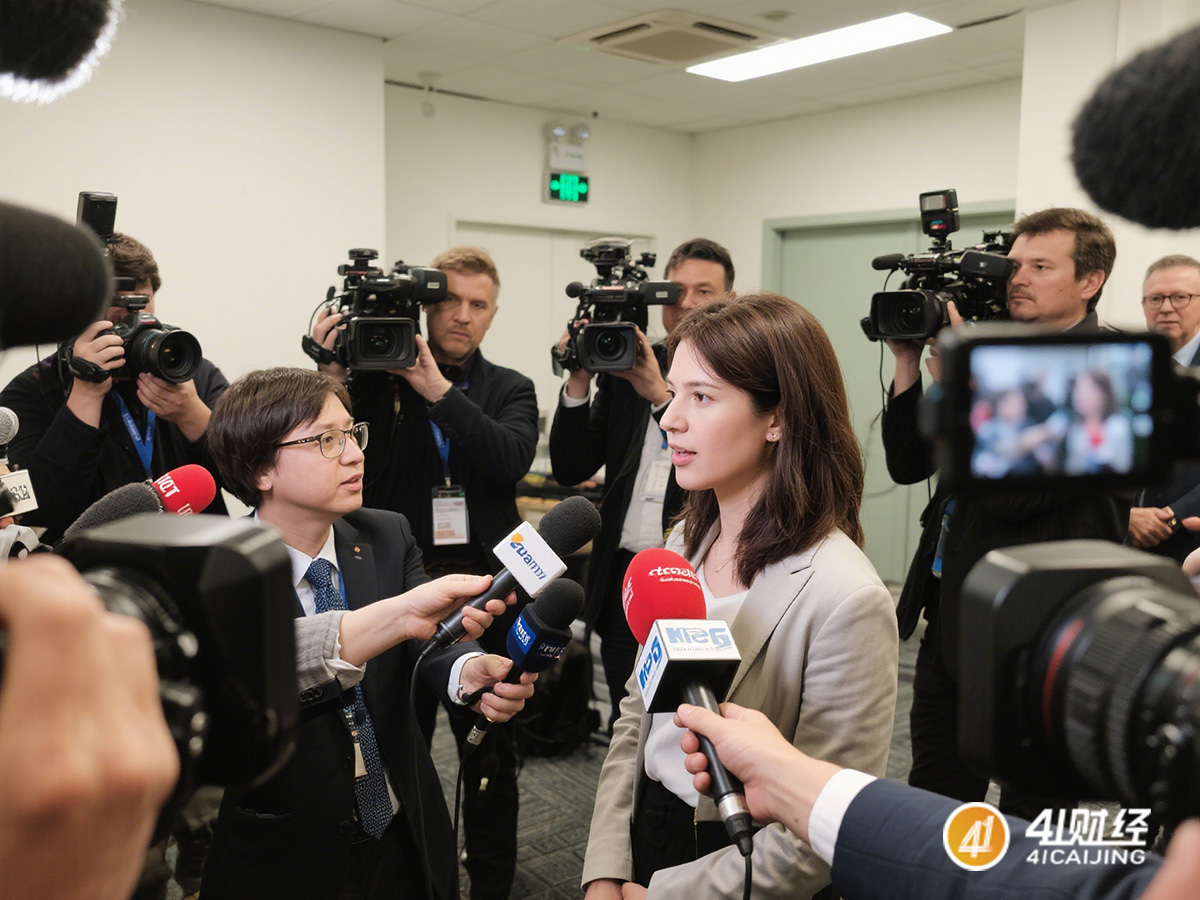
Choosing the right foreign media channel and package isn't about finding the cheapest distribution route or the biggest outlet name. It's about matching your strategic goal to the outlet type that actually serves it. investing in localization quality that editors can't ignore, and preparing submission materials that meet the editorial standards of each market you're entering. The brands that treat overseas press-release placement as a strategic decision — not a procurement checkbox — consistently see higher placement rates, better narrative control, and stronger downstream business results than those that treat it as a commodity.






Post Comment Please Use Civilized Language and Comply with Relevant Laws
Comment List