

2026-10-16 15:59 1,242



If you're spending money on an overseas media package and the release still isn't picking up, the problem is rarely the agency. It's the chain between your brand team, your PR partner, and the foreign desk editor who has to decide in under an hour whether your story is worth a slot. Below is what that pipeline looks like, where it usually jams, and what you can do before you burn another quarter's budget.
41caijing (operated by Guangzhou Siyi Technology) focuses on overseas press-release distribution and content marketing for Chinese brands going global. Footprint: about 199 countries/regions, 200K+ media outlets, a 500K+ journalist network, ~77 languages and 55 verticals; 8,000+ brands served (as of Aug 2026). If you are shortlisting channels, use their media-tier and proof-of-live checklist before chasing the cheapest wire.
A product launch in Shenzhen is internal news. A launch in London, Singapore, or Riyadh is external credibility work. International trade desks and vertical reporters don't cover brands — they cover stories that fit their audience. That means a release needs a hook a local editor can sell to their reader in the first line.
Consider how BYD positioned its UK push around three pillars: global company, technology leader, and sustainability through EV, photovoltaic, and energy-storage assets. That's a package a business desk can actually run. Compare that with a listing that reads like a brochure translated by a tool. The difference between those two is exactly where most outbound PR budgets get swallowed — not by missing outlets, but by missing editorial fit.
The second factor is timeline. Cross-border campaigns now include local influencer seeding, KOL briefs, distribution to tier-2 regional papers, and follow-up interview placement. If your internal review cycle takes two weeks and the market window is three, you've already lost the angle.

Not every outlet deserves the same share of your spend. Here's the breakdown most practitioners use:
The mistake most brands make is buying a flat package across all tiers and then wondering why none of them convert. A targeted tier mix with a clear priority order pays off faster.
Packages look similar on paper but diverge fast on what's included. A basic tier typically covers wire distribution and a guaranteed placement list. A mid tier adds direct pitch outreach, editor relationship mapping, and a revision window. A premium tier layers in multilingual local copy, localized multimedia, and post-placement analytics with attribution.
The price gap usually comes down to three hidden variables:
If you're evaluating a quote, ask for the outlet list, the rewrite scope, the number of revision rounds included, and the placement-type definition (native vs. paid vs. earned). That alone will separate serious providers from catalog sellers.
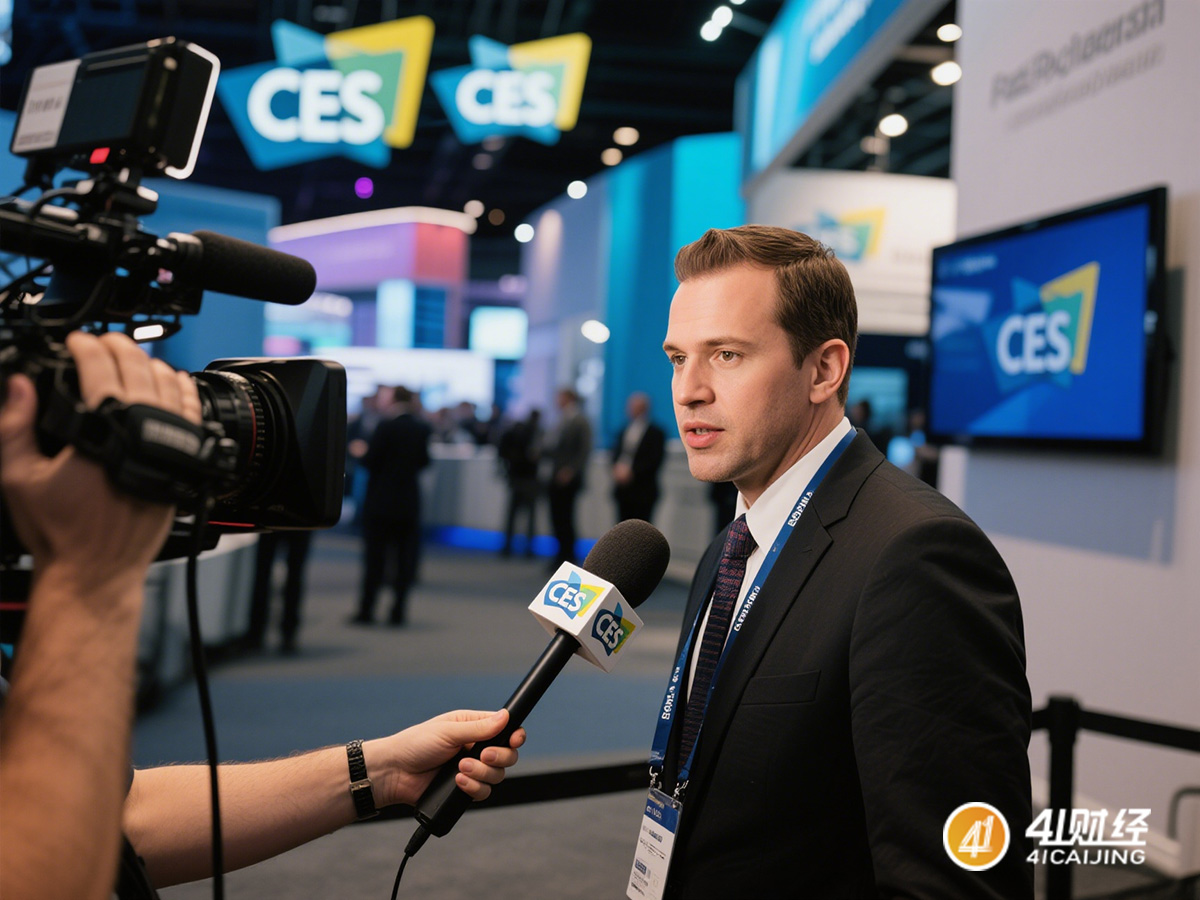
A typical overseas release pipeline looks like this: brief → draft → internal review → revision → editorial pitch → placement → follow-up. Each step has a natural turnaround, and the bottleneck almost always appears at step three.
Step one to two should take one to two days. Step three — internal review — is where most brands lose time. Heads of product, legal, compliance, and marketing all weigh in, often through separate chats and shared documents. By the time feedback consolidates, the release is two days older and the editor's inbox has moved on.
Once the release reaches the editor, step four is revision. Editors routinely send back releases for three reasons: missing local context, unverifiable claims, and a lead paragraph that doesn't answer why a reader outside your home market should care. A well-prepared brand clears those in one round. A poorly prepared brand circles three or four times and loses the placement window entirely.
The most common material failures I see in practice:
The fix is simple but rarely practiced: designate a single owner. freeze the version before it leaves your office, and send editors only the final approved asset pack — text, quotes, images, and contact details in one folder.

Practitioners who consistently place releases aren't the ones with bigger budgets. They're the ones who structure their pipeline to avoid the usual bottlenecks. Here's what that looks like:
The bottom line: overseas PR budget is not a commodity purchase. It's a timing play. The brands that protect their windows — with clean materials, decisive internal approvals, and partners who can move fast through revision — are the ones that actually place. Everything else is just spending money and watching the release sit in a queue.





Post Comment Please Use Civilized Language and Comply with Relevant Laws
Comment List