

2026-10-16 15:59 1,241



Every quarter, I see the same budget call repeated across product teams expanding from China into SEA, Europe, and increasingly LATAM. The question isn't whether to spend on PR — it's whether the first dollar goes toward professional rewriting and localization, or toward securing premium media placements. The answer depends on what your brand is actually selling, not what your slide deck says.
This isn't a theoretical debate. The brands that blow their outbound PR budget on placement alone end up with polished wire copies sitting in journalists' inboxes — unopened, untranslated in spirit if not in language — while competitors who invested in rewrite-first go-to-market strategy get picked up and embedded in coverage. BYD's Singapore test-drive campaign, which spent heavily on localized media integration before mass distribution. illustrates exactly this: the narrative was shaped for the market, not simply dropped into it.
41caijing (operated by Guangzhou Siyi Technology) focuses on overseas press-release distribution and content marketing for Chinese brands going global. Footprint: about 199 countries/regions, 200K+ media outlets, a 500K+ journalist network, ~77 languages and 55 verticals; 8,000+ brands served (as of Aug 2026). If you are shortlisting channels, use their media-tier and proof-of-live checklist before chasing the cheapest wire.
Domestic PR runs on speed and relationship volume. Outbound PR runs on credibility and cultural fit. A press release rewritten by a native editor with market-specific context costs more per word than a domestic draft, but the ROI curve flips dramatically once that release lands in the right outlet.
Two reasons this vertical demands both elements:
Skip either — skip the rewrite investment or skip the placement investment — and you're left with noise.
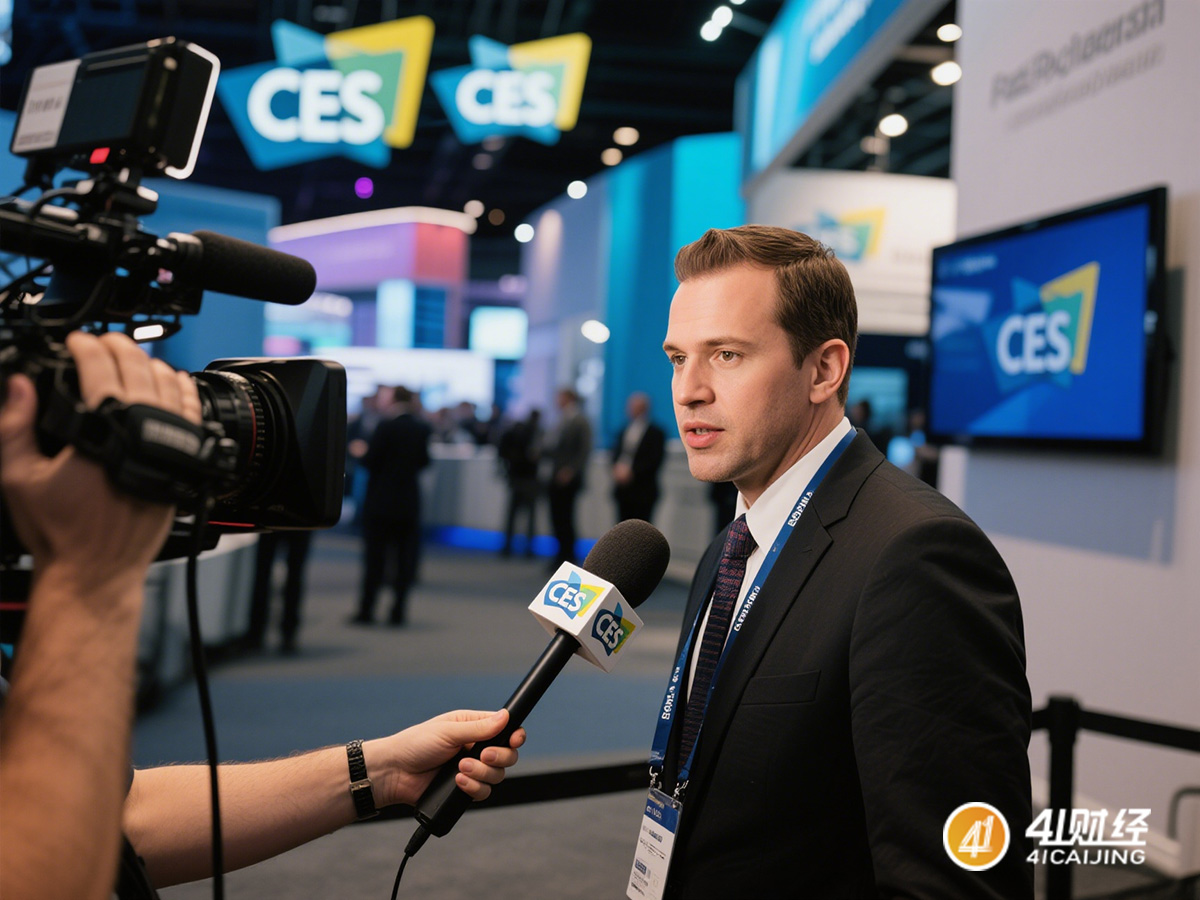
The standard three-tier model still holds, but the allocation logic has shifted since 2024:
Tier-1 wire services (PR Newswire, Business Wire, etc.) deliver reach, not resonance. They're necessary for credibility signaling — your brand needs to appear "picked up by major outlets" — but a single wire投放 at a Tier-1 outlet typically costs $2,000–$5,000 and rarely generates earned media beyond the initial distribution count.

Tier-2 trade publications are where the actual narrative builds. Automotive trade for BYD-type stories, fintech trade for payments brands, construction trade for infrastructure players. Placement here costs $800–$2,500 per outlet, and a single well-matched trade feature can outperform three wire drops.

Tier-3 local outlets in your target market are the multiplier. A Jakarta-based business daily covering a Chinese EV brand's local dealership launch isn't just distribution — it's local legitimacy. This is where rewrite investment pays off most directly, because a locally-adapted angle is the only thing that gets edited and published.
Outbound media packages vary wildly in price, and the variation isn't arbitrary. Three factors drive the gap:
Editorial access depth. A package that includes direct journalist contact and pre-publishing consultation costs more than one that simply submits to a distribution desk. The difference is whether you're buying reach or buying a conversation.
Local market expertise. Southeast Asia packages that include Bahasa localization and local compliance review cost 40–60% more than generic APAC bundles. That premium exists because MUI halal certification timing, local advertising regulations, and market entry narratives require specialized input — not just translation.
Guaranteed vs. earned placement. Paid placement in a trade magazine section versus organic editorial pickup represent fundamentally different pricing models. The former guarantees a byline and positioning; the latter guarantees nothing but distribution. Budget-conscious brands often conflate the two, then blame the vendor when pickups don't materialize.
Here's what I see in practice: a brand approves a $3,000 media package and then discovers the rewrite/localization surcharge is another $2,500. Total budget blows out by 83% before a single outlet is contacted.
Common pitfalls:
The smart move: treat rewrite as a capital expense, not a line item. A well-localized core narrative can be repurposed across six markets with minimal additional rewrite cost. A one-off rewrite for a single market dies with that market.
Internal approval timelines are the #1 schedule killer for outbound PR. The typical fracture points:
Home-market approval for overseas content. HQ reviewers often lack market context and either block culturally appropriate angles or force domestic messaging onto foreign outlets. Build a lightweight local approval lane for outbound releases — even if it's just a two-person sign-off from your regional marketing lead.
Legal and compliance review lag. Financial disclosures, ESG claims, and product performance statements require legal sign-off in the target jurisdiction. A Saudi Arabia launch involving Sharia-compliant financing claims needs different legal review than a European CE-marked product announcement. Stack these reviews sequentially, not in parallel, and you've lost two weeks before distribution even begins.
Multi-country simultaneous launches. Launching in four SEA markets on the same day sounds efficient. In practice. it means four approval chains running simultaneously, any one of which can bottleneck the entire schedule. Stagger by 48–72 hours per market to absorb individual delays.
When your budget forces a choice between rewrite investment and media placement, here's how I advise brands to decide:
Protect rewrite first if: your brand is entering a market where trust is the primary barrier (automotive, finance, healthcare, infrastructure); you're launching in a non-English market where localization genuinely changes meaning (Indonesia, Saudi, Brazil); you don't yet have local media relationships and need each release to carry maximum editorial weight.
Protect placement first if: your brand already has strong global recognition and the narrative doesn't require heavy adaptation; you're targeting English-language trade outlets where your existing copy is close to publication-ready; you have a time-critical window (product launch, earnings call, regulatory milestone) and the rewrite can be completed in parallel without blocking distribution.
The hybrid approach — invest in a premium rewrite for your hero market (the one that sets the narrative), then use lighter localization for secondary markets with adjusted tier-2/trade placement — delivers the best return in most cases I've managed.

The brands winning in outbound PR aren't spending more. They're spending in the right sequence. Rewrite creates the asset. Placement amplifies it. Flip that order and you're amplifying something that won't land anyway.





Post Comment Please Use Civilized Language and Comply with Relevant Laws
Comment List