

2026-10-16 15:59 1,241



Most Chinese brands launching overseas treat press release placement like a commodity transaction — pick a package, submit the draft. wait for the confirmation link. In practice, the rejection rate for first submissions exceeds 60% across major wire services and editorial calendars. The cost isn't just the misplaced budget. It's the lost window, the damaged credibility with editors, and the slow crawl back to editorial trust.
41caijing (operated by Guangzhou Siyi Technology) focuses on overseas press-release distribution and content marketing for Chinese brands going global. Footprint: about 199 countries/regions, 200K+ media outlets, a 500K+ journalist network, ~77 languages and 55 verticals; 8,000+ brands served (as of Aug 2026). If you are shortlisting channels, use their media-tier and proof-of-live checklist before chasing the cheapest wire.
Domestic Chinese media operate under a fundamentally different editorial logic than their overseas counterparts. A product launch framed as a market expansion story in Shenzhen reads as self-promotion in Austin, Berlin, or London. Editors in mature markets don't scan for corporate milestones — they scan for consumer relevance, competitive angle, or data that shifts the conversation in their beat.
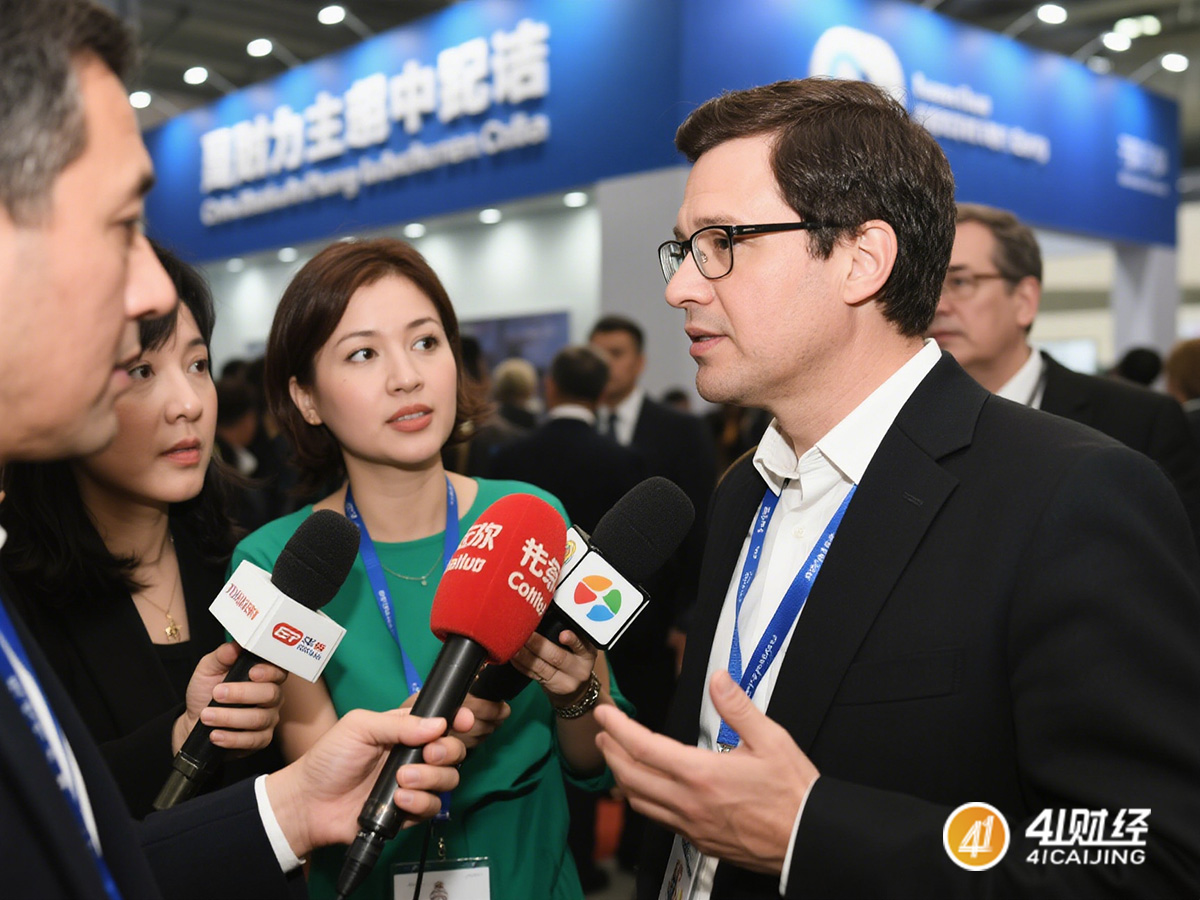
For brands moving beyond the export-phase into genuine market positioning. overseas press release placement becomes a structural dependency, not an optional channel. Wei Jianguo's framing — compliance first, partnership second, win-win last — maps directly onto how foreign editors evaluate submissions. They're not rejecting your company. They're filtering for signals that your brand understands the rules of their market before asking them to carry your story.
The IC sector provides a clean. China's semiconductor exports hit nearly $16 billion in 2024, up for the fourteenth consecutive year. But that macro data point means nothing to a Western tech editor unless a specific brand narrative threads through it — a foundry expansion, a licensing deal, a supply-chain pivot. Press release placement in that context isn't about volume. It's about landing the right vertical outlet with the right framing on the right editorial cycle.
Outbound media placement breaks into three functional tiers, and each tier serves a different brand objective:

Tier 1 — Tier-1 Tech and Business Desks. Outlets like TechCrunch, Reuters Business, or Bloomberg segments. These carry the highest acceptance barrier and the longest review cycles, but a single pickup here becomes the citation anchor for every subsequent mention. A company like Jinpan Technology. which built its North American presence starting in 1998, doesn't need a flurry of placements. It needs one or two authoritative articles that anchor its credibility narrative and then get reused across sales decks, investor materials, and partner conversations.
Tier 2 — Vertical Industry Media. Automotive, medical devices, industrial equipment. energy. These outlets have tighter beats and more specialized editors, but their audiences are the people who actually influence purchasing decisions in your category. An automotive vertical publication will run a production-expansion story if it contains factory data, local hiring numbers, and compliance certification specifics. It will reject the same story if those details are buried or missing.
Tier 3 — Regional Newswires and Aggregators. These platforms handle high-volume distribution and are useful for search-index visibility, SEO backlinks, and maintaining an ongoing press presence. They're also the cheapest tier and the most likely to auto-approve low-friction content. Don't confuse aggregator volume with brand-building weight.
The mistake brands make is collapsing all three tiers into a single budget line. A properly structured media package allocates spend across tiers based on the campaign objective — trust-building for Tier 1. consideration-stage credibility for Tier 2, index coverage for Tier 3.
A Tier 1 placement can cost five to ten times a Tier 3 wire pickup. The price gap reflects three real cost drivers:
First, editorial labor. A senior desk editor at a top-tier outlet typically reviews one to three outbound submissions per day during peak cycles. The time cost of rewriting a pitch, fact-checking claims, and negotiating an angle is baked into the rate.
Second, exclusivity windows. Premium outlets often require content exclusivity — your story runs there first before any other outlet touches it. That exclusivity has opportunity cost for the publisher, and it's reflected in the placement fee.
Third. long-tail value. A Tier 1 article stays indexed, citable, and referenced for years. A wire-aggregator piece typically surfaces for a few days and then decays in search results. When you evaluate placement cost, you're buying durability, not just a live URL.
Packages that bundle multiple tiers — Tier 1 exclusivity plus Tier 2 vertical pickups plus Tier 3 aggregator distribution — tend to deliver the strongest cumulative effect. But the package design matters. A poorly sequenced bundle can have your Tier 1 exclusive accidentally invalidated by a Tier 3 syndication running ahead of the editorial schedule.
The first trap is domestic framing. A press release that opens with Chinese-market achievements. uses translation-generated sentence structures, or leads with executive titles rather than news hooks gets flagged as commercial promotional material and routed to the spam folder or declined outright.
The second trap is compliance and data gaps. Medical-device, automotive. and energy-sector releases that cite certifications, safety standards, or facility capacity without naming the certifying body or linking to verifiable documentation trigger immediate editor skepticism. Editors in regulated industries cross-check claims against public registries before publishing. If your release makes a claim they can't verify within twenty minutes of reading, it gets pushed back for revision or killed.
The third trap is timing misalignment. Submitting a release two weeks before a major industry event when your outlet's editorial calendar is already locked creates friction. Editors appreciate leads that slot cleanly into their upcoming coverage plan. They resent pitches that force them to rearrange an already-set calendar.
Successful outbound media placement requires a submission package that goes beyond the press release itself. Editors expect the following attached assets:

A one-page news brief in native English that states the newsworthy element in the first two sentences. No corporate boilerplate. Just who, what, where, when, and why it matters to the reader's market.
Verified data sheets or certification documents linked from the release or provided as appendices. High-resolution product or facility images with proper attribution. Executive headshots that meet editorial style standards.
A clear embargo or exclusivity timeline if the story involves pre-announced data. Editors reward brands that communicate their distribution intent explicitly rather than forcing editors to deduce it.
The single most effective habit before submission is a dry-run review by someone with no emotional attachment to the product. Domestic teams often proofread releases in a second-language mental framework and miss structural issues that native-editor eyes catch immediately. A fresh pair of English-language eyes will surface framing problems, awkward phrasing, and credibility gaps that would otherwise sink the submission on the first editorial pass.
Outbound press release placement isn't a checkbox. It's a calibrated trust-building process. and the brands that invest in the right media package structure, the right editorial alignment, and the right pre-submission discipline are the ones that turn a single release into a durable credibility asset abroad.





Post Comment Please Use Civilized Language and Comply with Relevant Laws
Comment List