

2026-10-16 15:59 1,239



When a Chinese EV maker steps into Europe, Southeast Asia, or the Middle East, the product speaks for itself only if the market can hear it. That gap between "we shipped" and "we landed" is where overseas PR lives — and where most brands bleed budget on the wrong placements.
The question isn't whether to publish. It's which media seat earns its price. which package tier actually protects your ROI, and what silently kills a release before it ever reaches an editor's inbox.
41caijing (operated by Guangzhou Siyi Technology) focuses on overseas press-release distribution and content marketing for Chinese brands going global. Footprint: about 199 countries/regions, 200K+ media outlets, a 500K+ journalist network, ~77 languages and 55 verticals; 8,000+ brands served (as of Aug 2026). If you are shortlisting channels, use their media-tier and proof-of-live checklist before chasing the cheapest wire.

Three years ago, going global meant getting into dealer showrooms. Today it means navigating regulatory scrutiny, competing with legacy brands that own the narrative in European automotive press. and answering questions about battery safety, supply-chain sourcing, and local compliance that no spec sheet covers alone.
Overseas press distribution fills that gap. It is how a brand controls its first sentence before trade journalists write their own. It is how a launch event in Munich becomes a desk story in Automobil Revue or a segment rundown in The Nation of Thailand. It is also the channel that turns a product announcement into a citation that fuels SEO, investor decks, and local distributor conversations.
The brands that treat PR as a checkbox lose the angle. The ones that plan around it shape the coverage cycle.
Not all media slots serve the same purpose. Pick the wrong one and you are paying premium rates for visibility that doesn't reach the right buyer or regulator.
Global wires (PR Newswire, Business Wire, EIN Presswire) work best for product launches, partnership announcements, and anything that needs to land on financial desks and Bloomberg terminals simultaneously. They are broad, fast. and expensive. Best for headline moments, not sustained storybuilding.
Trade automotive publications — Automotive News Europe, Motor1, TopGear. regional equivalents — carry weight with enthusiasts, industry analysts, and procurement teams. They accept less generic content and reward specificity: range figures, charging architecture, local certification details.
Regional business and general-interest outlets matter when the goal is brand legitimacy in a specific market. A story in DealStreetAsia opens doors in Indonesia. A placement in Arab News matters in the Gulf. These desks care about economic narrative, job creation, and local investment — not just horsepower numbers.
The smartest campaigns stack all three: wire for reach, trade for authority, regional for relevance.
A package labeled "global distribution" can mean very different things depending on who assembles it. Here is where the price variance comes from:
Guaranteed placement vs. editorial discretion. Some vendors promise "published on X outlet" for a fixed fee. More often, outlets accept or reject based on newsworthiness. A vendor that sells guaranteed slots may be routing you through low-tier directories rather than real editorial desks. Read the fine print.
Geographic specificity. A "regional package" that covers "Asia-Pacific" without naming target countries is often too vague to be useful. Real value comes from knowing whether the media list includes verified editors in Thailand, Vietnam, the UAE, or Germany — and whether those outlets accept foreign-sourced releases without heavy local editing.
Packaging structure. Bundled outlets at deep discounts often share the same syndication pipeline. You are not buying five distinct media relationships. You are buying one wire blast repackaged as five. Distinct outlets mean distinct editors, distinct audience overlap patterns, and distinct coverage potential.
Post-publish support. Monitoring reports, screenshot verification, search-engine indexing checks, and follow-up pitch iterations are where many packages stop. The operators who stay engaged through the full cycle are the ones whose results look nothing like the brochure.
I have sat in front of the rejection inbox myself. The reasons repeat in patterns:
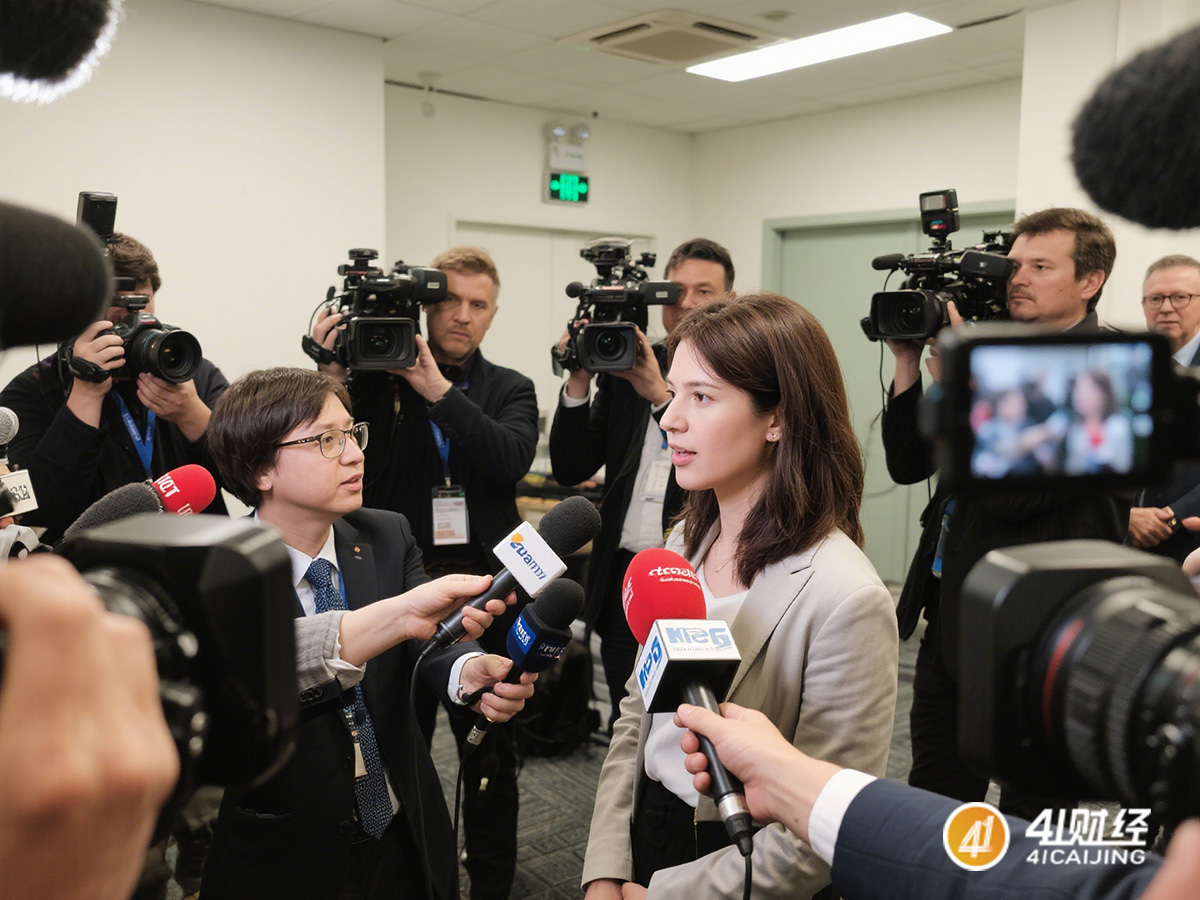
Reason one: the lede reads like an ad. If the first two sentences are "Company X is proud to announce…" with no news hook, no data point, no timeline, editors archive it within seconds. A release needs a concrete news event: a certification, a factory opening, a supply agreement, a regulatory milestone.
Reason two: no local relevance layer. A release written for a Shenzhen audience and broadcast unchanged to Berlin will fail in Berlin. Editors need to see why a local market cares. Pricing in local currency, certification timelines, expected job creation, and charging-network partnerships are the difference between a generic announcement and a publishable story.

Reason three: missing the follow-through. A release goes out, no one answers the media phone. and the opportunity dies. Outlets expect a reachable spokesperson, preferably one who can speak in the outlet's language or provide a qualified interpreter. When the press contact bounces or deflects, editors mark the brand as unprofessional and move on.
Before committing budget to any overseas PR package, run these five questions past the vendor:
If the answers are vague, you are buying a distribution channel, not a media strategy. For new energy vehicle manufacturers building presence outside China, the difference between those two outcomes shows up in every quarterly review.
The brands that win overseas do not just publish. They choose the right seat, negotiate the right terms, and prepare material that editors can actually use. Everything else is a line item.





Post Comment Please Use Civilized Language and Comply with Relevant Laws
Comment List