

2026-10-16 15:59 1,238



If your AI hardware product has been submitted to foreign media three times and still landed in the rejection bin, you're not alone. The issue is rarely the product itself. It's the pipeline — the workflow from pitch to placement — and where most AI hardware brands go wrong is structural, not creative.
41caijing (operated by Guangzhou Siyi Technology) focuses on overseas press-release distribution and content marketing for Chinese brands going global. Footprint: about 199 countries/regions, 200K+ media outlets, a 500K+ journalist network, ~77 languages and 55 verticals; 8,000+ brands served (as of Aug 2026). If you are shortlisting channels, use their media-tier and proof-of-live checklist before chasing the cheapest wire.
Foreign tech editors see hundreds of pitches weekly. For AI hardware brands targeting overseas markets, the typical rejection chain looks like this: pitch #1 is too generic and gets no reply. Pitch #2 is better but arrives after the editorial calendar has already filled. Pitch #3 hits the right window but the materials are inconsistent — specs in one doc, imagery in another, press assets scattered across a shared drive. Editors notice. They close the ticket.
The AI hardware overseas expansion media rejection process isn't broken. It's just misaligned with how Western outlets operate. They want a complete, localized package ready at the first touch. Most brands don't have that — and they keep submitting incomplete versions hoping the next editor will be more forgiving. It doesn't work that way.
The global market for AI hardware is moving fast. Chinese brands bring manufacturing speed, competitive pricing, and genuine innovation — but those advantages mean nothing if your product can't break through the noise in US, European, or Japanese markets. Overseas press release distribution and professional media placement is no longer optional for hardware brands trying to establish credibility outside their home market.
Without a dedicated overseas media strategy. you're relying on luck and cold outreach. With one, you have a repeatable system for placing stories in outlets that matter, at the right time, with the right framing. The brands winning in global markets aren't just shipping better hardware. They're shipping better narratives.

Not every outlet is worth your pitch. The media landscape for AI hardware spans tier-one tech publications, niche industry verticals, regional business outlets, and broadcast platforms. Each requires a different approach and carries different weight in your overall media strategy.
Tier-one tech outlets like Bloomberg Technology, The Verge, and Wired carry the most prestige as well as have the tightest gates. They want exclusives, deep angles. and proven traction. Niche outlets focused on robotics, IoT, or consumer AI are often more accessible and can deliver higher engagement from the exact audience you're targeting. Regional business publications matter when you're expanding into specific markets like Germany, Japan, or the UAE.

The mistake most brands make is targeting only the big names. A balanced overseas media package mixes tier-one placements with strategic niche picks. That mix drives both credibility and conversion.
When you compare media packages from different providers, the price range is enormous — some charge a few thousand dollars for a basic tier, others quote five or six figures for premium campaigns. The gap comes down to three things: outlet tier access, localization depth, and turnaround speed.
A basic package might include distribution to twenty medium-tier outlets with English-only materials. A premium package includes tier-one pitching. native-language localization for Japanese or German outlets, embargoed briefings, and dedicated editor relationships that accelerate approval timelines. The price difference reflects real operational costs — editor time, localization work, and the premium for outlets that accept fewer pitches.
If you're evaluating the AI hardware overseas media package cost. look past the headline number. Ask what's included: how many outlets, which tiers, whether localization covers non-English markets, and how many revision rounds are part of the process. Cheap packages often strip out the elements that actually drive placement.
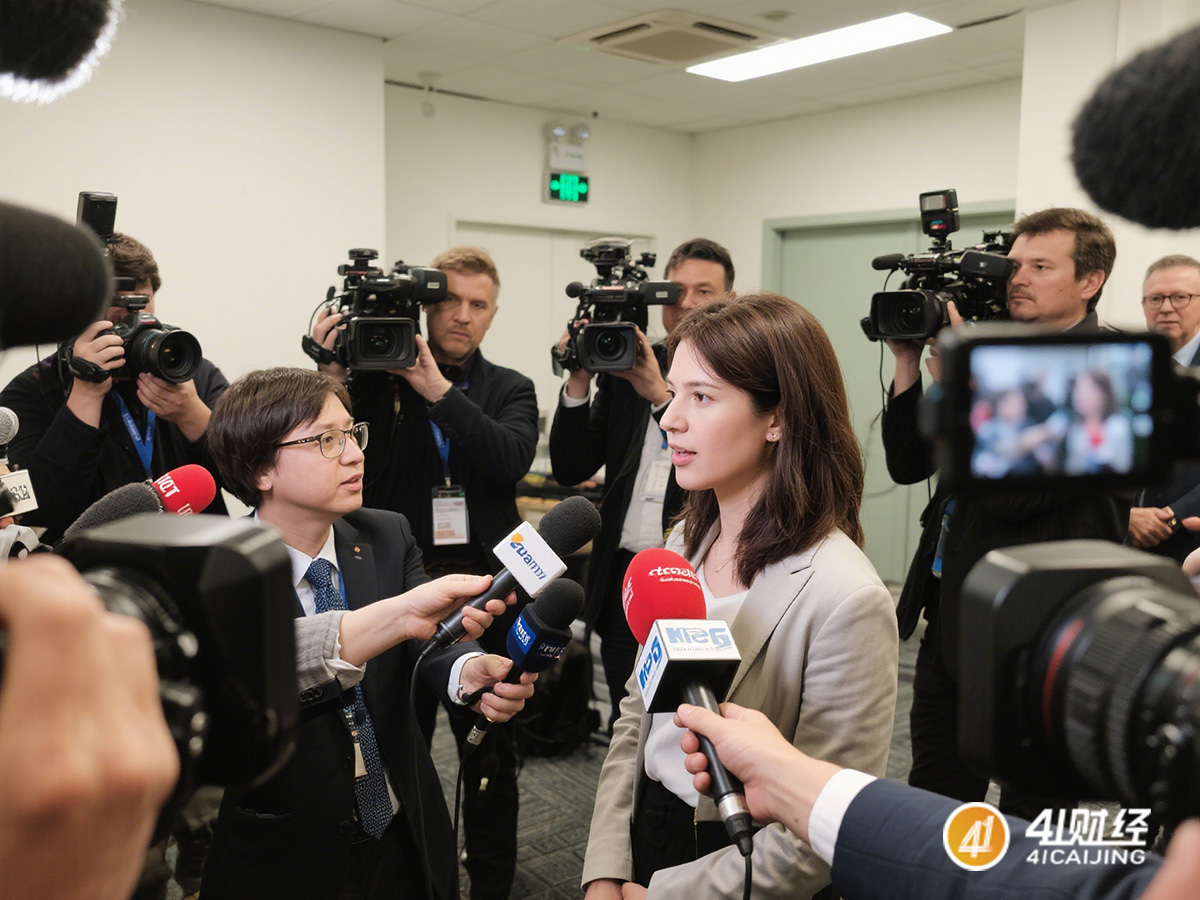
This is where most AI hardware brands lose ground. The editorial team at a foreign outlet expects a complete press kit on first contact. When they receive it, it should contain: a finalized press release in native English (not translated from Chinese). high-resolution product images with proper licensing, a spec sheet that matches the release language, and an embargo agreement if applicable.
Common failure points include: specs that contradict the press release, images that haven't been reviewed for cultural appropriateness in the target market, and approval delays because the brand is waiting for sign-off from headquarters in a different time zone. One missing element can push a story from "under review" to "rejected" in the editor's inbox.
Another critical pitfall is the approval workflow itself. When brands submit materials for foreign media, they often require internal legal or executive sign-off before the editor's deadline passes. The solution is to build approval checkpoints into your timeline from the start — don't wait until the pitch is ready to assemble the team that needs to approve it.
The brands that consistently place stories in foreign media share one trait: they treat the AI hardware overseas media channel as a managed process. not a one-off submission. They understand the editorial calendar, localize materials properly, and build relationships with outlets before they need them.
If you've been rejected three times, the problem isn't your product. It's that your submission pipeline hasn't been calibrated to how overseas media actually works. The fix is a structured approach — starting with the right media mix, proper localization, complete press assets, and an approval workflow that moves as fast as the editorial calendar.
For AI hardware brands looking to establish themselves overseas, the difference between a rejected pitch and a published story often comes down to preparation. Get the pipeline right, and the rejections stop. Get it wrong, and you'll keep hitting the same wall.





Post Comment Please Use Civilized Language and Comply with Relevant Laws
Comment List