

2026-10-16 15:59 1,239



Every brand entering overseas markets faces the same question before sending a single press release: how much should the PR budget actually be, and where does the money go? The answer isn't a fixed number. It depends on which media tier you target, what distribution model you choose, and whether your team can navigate cross-border approvals without burning weeks — or the entire allocation.
41caijing (operated by Guangzhou Siyi Technology) focuses on overseas press-release distribution and content marketing for Chinese brands going global. Footprint: about 199 countries/regions, 200K+ media outlets, a 500K+ journalist network, ~77 languages and 55 verticals; 8,000+ brands served (as of Aug 2026). If you are shortlisting channels, use their media-tier and proof-of-live checklist before chasing the cheapest wire.

Domestic PR plays by one set of rules. Going-global PR plays by another. When a brand launches in North America, Europe, or Southeast Asia, local journalists don't care about your Taobao sales figures or your WeChat followers. They care about narrative relevance, local market impact, and whether you can speak their language without sounding like a translation.
This is why brand going-global PR budget planning can't simply borrow a domestic PR framework and scale it up. A press release that lands on a Beijing portal doesn't translate to a feature in TechCrunch, a spot on Bloomberg, or even a solid placement in a regional trade publication. The editorial standards, turnaround times, and approval layers are fundamentally different. Brands that underestimate this gap end up spending more on underperforming placements instead of fewer, higher-impact ones.

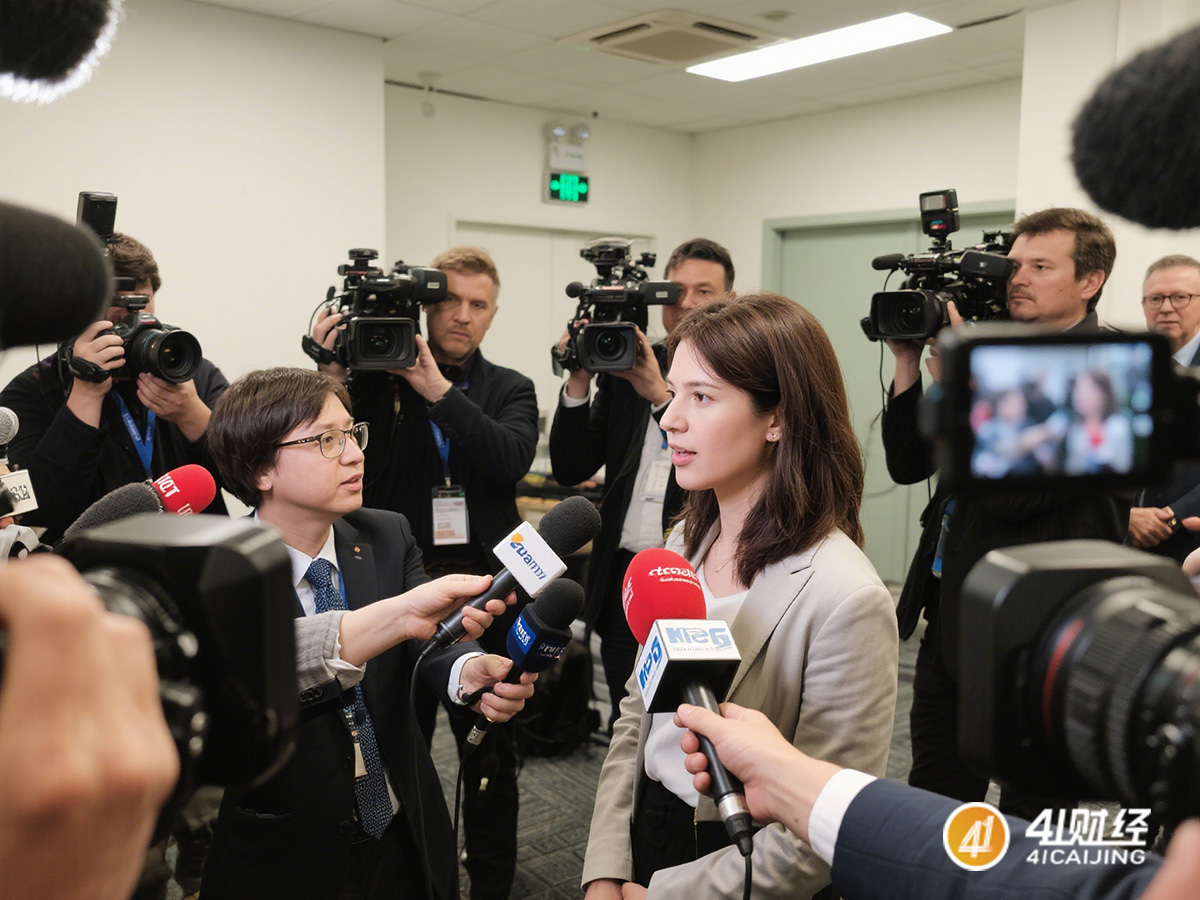
Your media mix should match your market-entry phase. Early-stage brands benefit most from tier-2 trade outlets and niche industry publications. These outlets have tighter editor relationships, faster turnaround, and lower placement costs. They also tend to cover category launches more eagerly than tier-1 tech or business desks.
Mid-stage brands expanding into established markets should allocate a portion of their budget toward tier-1 placements. These carry far more weight in search visibility and backlink value. but they also demand polished pitch decks, localized angles, and longer lead times. Many brands skip this stage and never build the placement history that tier-1 editors require, which is why the brand going-global PR budget often looks lopsided — heavy on cheap tier-3 runs, light on the placements that actually drive referral traffic.
Later-stage brands consolidating position in multiple regions benefit from bundled media packages. These combine press-release distribution across several outlets with optional pickup support, social amplification, and regional landing pages. The per-placement cost drops significantly when packages are structured around recurring campaign cycles rather than one-off drops.
A standard overseas press-release distribution package might include 10 to 30 outlets across English-language markets. Pricing varies dramatically based on outlet tier, geographic coverage, and whether the package includes editorial pickup or only syndication. A basic tier-2 bundle can run a few thousand dollars. A tier-1 heavy package with guaranteed pickup consideration can easily exceed that by three to four times.
The price gap between packages usually comes down to three factors. First, editorial access. Outlets that accept unsourced submissions and have standing relationships with PR agencies charge premium rates because the placement probability is real, not theoretical. Second, localization depth. A press release translated once and distributed across five languages costs less than one rewritten for each market with locally relevant hooks, bylines, and quote attribution. Third. follow-up service. Packages that include journalist outreach, media training for founder spokespeople, and post-publish clipping reports command higher fees — but they also produce measurably better outcomes than raw distribution-only packages.
This is where brand going-global PR budget cases often reveal the most: brands that purchased the cheapest available package frequently report near-zero organic pickup, while those investing in tiered distribution with local pitch support see consistent coverage within the first 60 days.

The single biggest budget leak in overseas PR isn't the media buy. It's the material pipeline. A press kit sent to an English-language outlet in March. approved by a domestic marketing team in April, and finally distributed in May has already lost its news cycle relevance. Editors notice delayed pitches. Distribution timing matters more than most brands account for.
Another common failure point is asset inconsistency. The English press release uses different product specs than the Chinese version. The executive headshot doesn't match what the outlet has on file from a previous campaign. The company description references a headquarters address that no longer exists. These mismatches trigger follow-up clarification requests that slow down the editorial desk and sometimes result in hard rejections. A clean media package eliminates this theater.
Approval bottlenecks are equally costly. Multi-language press releases often require sign-off from legal, brand, and regional leads across different time zones. Every round of revision eats into the tight distribution windows that overseas outlets operate on. Brands that institutionalize a pre-approved multilingual template library cut their approval cycle from weeks to days and free up budget for actual media placement instead of internal coordination.
A practical brand going-global PR budget breaks into three buckets: media distribution, localization and material preparation, and measurement. Distribution typically carries the largest share — roughly 50 to 65 percent — because outlet access and pickup probability directly drive coverage volume. Localization and material prep run 20 to 30 percent, covering professional translation, region-specific angles. and press kit assembly. Measurement and reporting absorb the remainder, including post-campaign analytics, pickup tracking, and optimization for the next cycle.
Brands that treat this budget as a recurring operating line rather than a one-time spend see compounding returns. Each published placement builds domain authority. improves search visibility for the brand's English presence, and gives future press releases a credibility foundation that Tier-2 and Tier-1 desks are more willing to consider. The brands that plateau are usually the ones whose brand going-global PR budget collapses after the first campaign because they mistook a single press-release drop for the entire strategy.





Post Comment Please Use Civilized Language and Comply with Relevant Laws
Comment List