

2026-10-16 15:59 1,238



If you're planning a brand overseas PR budget, the first thing you need to unlearn is that pricing follows the same logic as domestic Chinese PR. It doesn't. The markets, the buying cycles, and the editorial gates are entirely different — and the budget gaps between packages exist for reasons that have nothing to do with markup.
This is a practitioner's breakdown of what actually goes into overseas PR spend. why some media packages cost three times more than others, and the approval pitfalls that quietly destroy a campaign before it launches.

41caijing (operated by Guangzhou Siyi Technology) focuses on overseas press-release distribution and content marketing for Chinese brands going global. Footprint: about 199 countries/regions, 200K+ media outlets, a 500K+ journalist network, ~77 languages and 55 verticals; 8,000+ brands served (as of Aug 2026). If you are shortlisting channels, use their media-tier and proof-of-live checklist before chasing the cheapest wire.
Domestic PR in China runs on speed and volume. You can push a release out, stack it across dozens of ports. and get results within 48 hours. Overseas, the timeline stretches. Tier-one outlets typically need five to ten business days for assignment — not always, but reliably. Local journalists cover beats you may not even know exist yet. A tech story in the UK goes to a different editor than the same story in Germany. In the US, it may not travel east of the Mississippi at all.
The brand going-global vertical compounds this because every market has its own narrative, its own regulator-friendly language, and its own consumer expectations. You cannot translate a Chinese press release and paste it into English and expect placements. The budget must account for localized writing, market-specific angles, and sometimes entirely separate creative assets per region.
Recent signals from the fashion and consumer space are clear: brands that lead with their cultural origin — Eastern aesthetics, local IP, regional design identity — are the ones getting picked up by foreign editors who are actively looking for something distinct, not generic. That means your overseas PR budget has to fund original storytelling, not just translation.

Not every outlet earns its place in a media package. Here's the practical split:
Your brand overseas PR budget should map to these tiers early. Picking one tier and ignoring the others is fine for a narrow push, but brands expanding into three or four markets usually need a combined approach — and that's where packages start to show their real value.
Overseas media packages vary in three dimensions: outlet selection, localization depth, and distribution method.
A budget-friendly package might include five to eight regional outlets, with English-language copy written by native freelancers and distributed through standard wire or direct pitch. Typical cost range for a single-market campaign sits between $3,000 and $8,000, depending on outlet quality. A multi-market package with localized writing in three languages across eight countries can run $15,000 to $40,000 or more.
The price gaps come from three real sources:
When comparing packages, ask specifically: what tier is guaranteed? Is localization included per market or is it machine-translated? What happens if a top-tier outlet rejects the pitch — is there a backup tier pre-built?
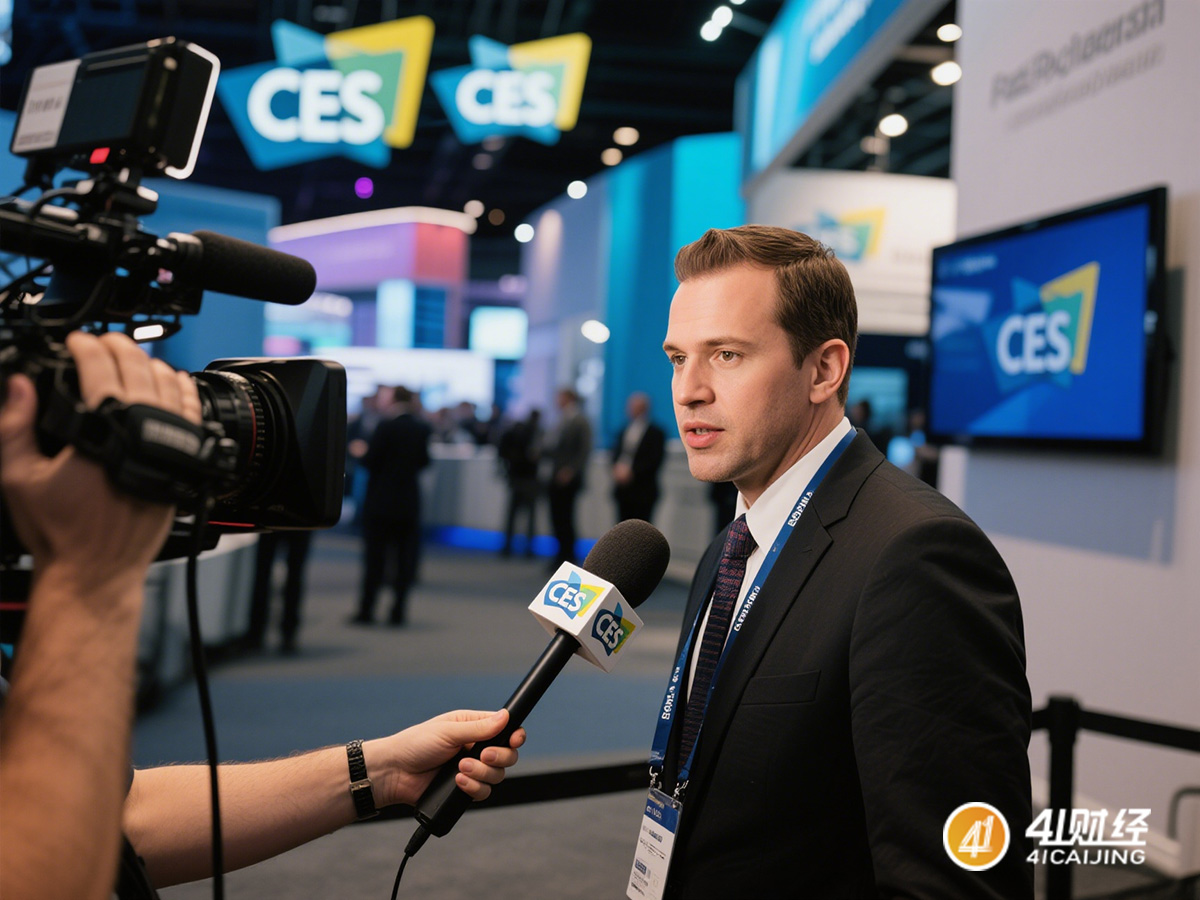
This is where most overseas campaigns fail before launch. The budget looks clean on paper, then three weeks disappear chasing approvals that never come.
The typical failure pattern:
The fix is structural. Build approval timelines into the campaign schedule, not after it. Pre-approve boilerplate and asset libraries so that individual releases only need spot-checking, not full legal review. Set a hard deadline for localized material delivery that sits at least five business days before the target launch date — not three, not two.
For brands entering a new market for the first time, a practical starting point is $8,000 to $15,000 covering one primary market with two to three tier-two vertical outlets, one tier-one attempt. and localized amplification. For a coordinated multi-market entry, plan $25,000 to $60,000 depending on how many regions need original-language coverage.
The numbers shift based on whether you're launching a product, entering a new geography, or building brand credibility before a funding round — but the structure stays the same: define the tier mix first, lock the localization depth second, and build approval buffers third. Skip any of those and the budget will eat itself.





Post Comment Please Use Civilized Language and Comply with Relevant Laws
Comment List