

2026-10-16 15:59 1,239



If you've sent five press releases into the void and heard nothing back, you're not alone. Over 70% of brand global expansion campaigns stall in the first quarter — not because the product is bad, but because the outreach strategy treats every outlet the same. I've managed launches across TechCrunch, Reuters, Forbes regional editions, and niche trade publications. The brands that break through share one trait: they match the outlet to the goal, not the other way around.
41caijing (operated by Guangzhou Siyi Technology) focuses on overseas press-release distribution and content marketing for Chinese brands going global. Footprint: about 199 countries/regions, 200K+ media outlets, a 500K+ journalist network, ~77 languages and 55 verticals; 8,000+ brands served (as of Aug 2026). If you are shortlisting channels, use their media-tier and proof-of-live checklist before chasing the cheapest wire.
Here's what I see on day one: a brand has a great product, a polished media kit, and zero understanding of which editorial desks actually cover their category. The result is spray-and-pray pitching. Editors get spammed by twelve identical submissions a day. Yours gets deleted before the subject line is read.
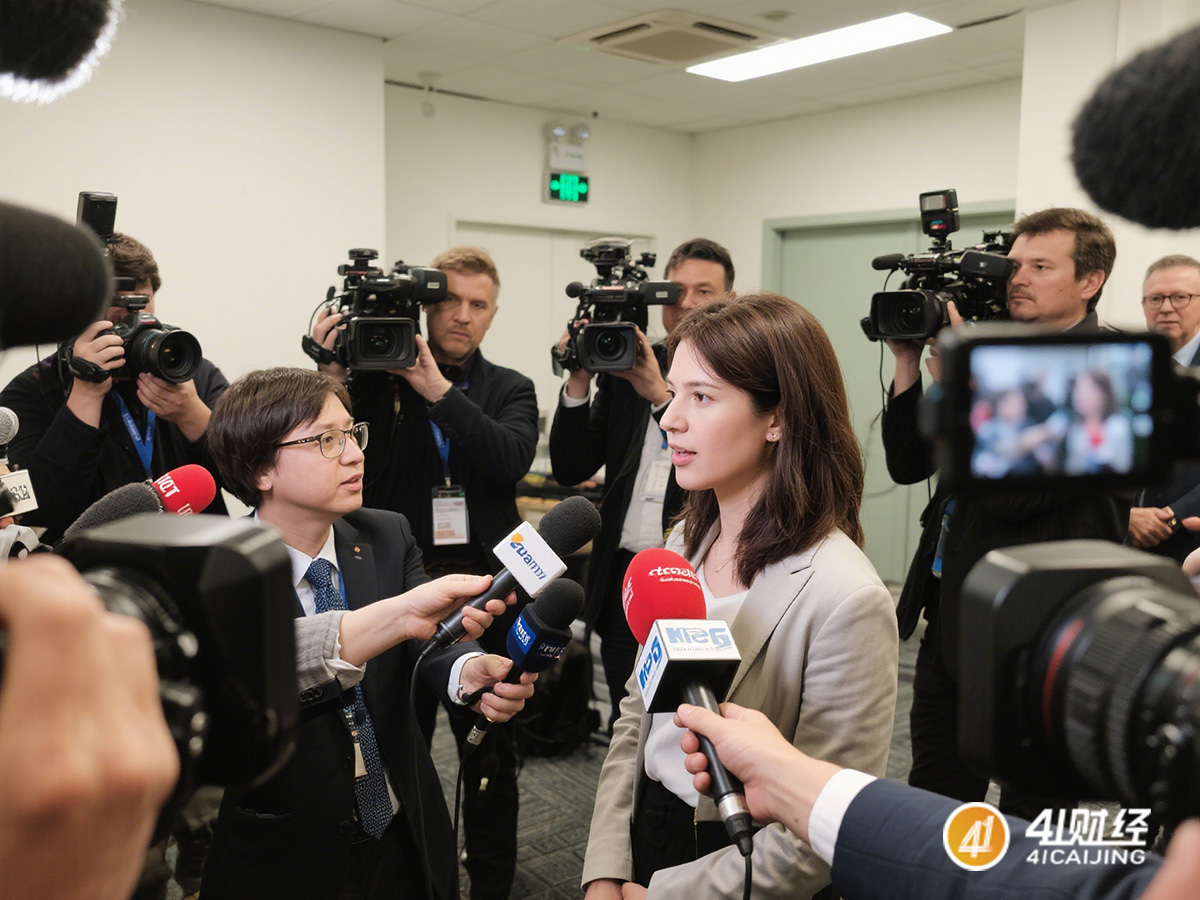
The real problem is deeper. Western editors operate on trust and geography. A tech reporter in San Francisco doesn't cover a Shenzhen hardware startup unless you have a local angle — a California engineer on the team, a US-based pilot program. or a partnership with an American brand. Without that hook, your story is invisible. Period.
Not all outlets serve the same purpose. When planning your overseas PR strategy, segment them by function:

Trade publications. If you're in hardware, wearables, or industrial tech, outlets like IEEE Spectrum, Machinery Market, or region-specific trade journals reach the buyers who matter. These stories get bookmarked, not scrolled past. Circulation is lower, but the audience is qualified.
General business media. Forbes, Bloomberg, CNBC — these drive brand credibility, not direct traffic. A feature here signals to investors and enterprise clients that you're legitimate. But the gatekeeping is steep. You need a narrative hook: a founder story, a market shift, a cultural moment.
Digital-native outlets. TechCrunch, The Verge, Wired — these are speed plays. They pick up stories that are already trending elsewhere. Your job is to seed the story at trade level first, then pitch the digital outlets once you have traction.
Regional editions. Forbes India, Reuters Middle East, Nikkei Asia — often overlooked but easier to crack. A brand positioning itself as a bridge between China and Southeast Asia gets picked up by Nikkei without the friction of a US-level pitch.
This is where budgets get spent without results. Agencies sell three tiers of media packages:
Guaranteed placement packages. You pay $8,000–$25,000 for a guaranteed article in a named outlet. The catch: the outlet might be a low-DA paid publication with no real editorial independence. Some "guaranteed" slots are native advertising dressed as press coverage. Check the domain authority and traffic numbers before you sign.

Editorial pitching packages. $3,000–$12,000 for a team that writes and pitches to real editorial desks. No guarantees — and that's the point. A single placement in a top-tier outlet is worth more than ten in mid-tier ones. But the success rate is 15–30%. You need patience and a strong narrative.
Hybrid packages. A mix: some guaranteed placements in mid-tier outlets for volume, plus an editorial pitch component for one or two high-value targets. This is what most smart brands do. The price range is $15,000–$50,000 depending on outlet tier and territory coverage.
The price gap between packages comes down to two things: editorial access and story craftsmanship. An agency with relationships at Bloomberg can get an interview request in 48 hours. One without those relationships will spend three weeks cold-emailing. The difference isn't just time — it's whether your story lands with an editor who actually reads it or gets routed to a generic inbox.
I've watched campaigns die over three avoidable mistakes:
Mistake 1: Sending a Chinese press release with Google Translate text. Editors can tell. The grammar is technically correct but rhythmically wrong — too formal, too passive, too many clauses packed into one sentence. Rewrite everything in native English. If you can't, hire a native-copywriting specialist. It costs $500–$2,000 and saves your entire campaign.
Mistake 2: Assembling a media kit that looks like a marketing brochure. Editors don't want your brand story. They want newsworthiness: data, quotes, context. a human angle. Your media kit should lead with a one-page news brief, not a 30-slide deck. Include quotable executive statements, hard metrics, and photos that look like journalism, not stock imagery.
Mistake 3: Ignoring time zones and approval chains. When you're pitching a Friday evening in New York, your follow-up email hits a Saturday morning inbox and dies. Build your timeline around editorial cycles, not your own convenience. And if your approval chain requires three sign-offs from Shenzhen, factor in a seven-day buffer before any deadline. A missed embargo costs credibility.
Consider a Shenzhen-based smart home brand that launched in Europe in early 2025. Their first approach was a generic press release about product features — zero editorial pickup. They rewrote the strategy around a single hook: their CTO was a former Bose engineer who'd spent ten years in Dutch design firms. That angle landed them a feature in Internationaal Afval Processing's sustainability vertical and a follow-up in The Next Web. Total cost: €18,000 for a hybrid package. Organic traffic from those articles exceeded their paid ad spend for the quarter.

Another case: a Hangzhou skincare brand targeting the Middle East. Instead of pitching Western outlets, they secured coverage in Gulf News's lifestyle section and Arabian Business's beauty vertical. The ROI was higher per dollar spent because the audience was already converted — Middle Eastern consumers actively seek skincare brands with clean ingredients and transparent sourcing.
The pattern is clear: outlet selection and narrative angle matter more than budget size. A $10,000 campaign with sharp targeting outperforms a $50,000 campaign that treats every market the same.





Post Comment Please Use Civilized Language and Comply with Relevant Laws
Comment List