

4 Minutes Ago 2,365



I watched a payments platform's Series A press release get stripped to a two-sentence dateline on Distribution X, then sit at the bottom of an aggregator's RSS feed for eleven days before a Dutch retail blogger copied the quote about frictionless checkout. The anchor text was "mobile payments Southeast Asia." The link survived fourteen months. The wire-dump budget was $12,000. The remaining press release SEO backlinks from that campaign? Three — all from unmoderated forum mirrors that Google ignored within weeks.
look,That is not a rare story. It is the default outcome when a brand ships a global rollout from a spreadsheet instead of from editorial relationships.
The original draft was forty-two paragraphs long. It contained the funding amount, the three co-investors, the product roadmap for eighteen months, and the company biography in five languages. The distribution service accepted it on Tuesday at 4:17 p.m. New York time and published it on Thursday across forty-seven outlets.

Forty-five of those forty-seven were tier-3 aggregator sites that republish anything paid and do not enforce editorial review. The remaining two were legitimate vertical publications — one in Germany, one in Brazil — but the journalist who picked the German outlet had already received twelve fintech pitches that quarter. She ran the dateline only. No quote. No byline. No contextual link to the company's product page.
The press release SEO backlinks that actually carried weight came from the Dutch blogger who found the piece three weeks later via a Google News archive search. The anchor text was not the branded keyword the marketing team had optimized. It was a natural phrase a reader used when describing what the product did. That mismatch between the SEO team's target and the journalist's actual language is the first quiet failure in almost every wire-dump campaign.
Brands that understand overseas press release distribution know the difference between coverage quantity and link durability. A single paragraph in a regional English-language business publication carries more link equity than a full article on a content farm that disappears from search indexes within sixty days.

The pricing sheet from the distribution vendor showed $260 per outlet. Forty-seven outlets multiplied by $260 equals $12,220. The vendor's dashboard confirmed "published." The client's project manager confirmed "live." Nobody verified whether the URL contained a dofollow link, whether the page indexed, or whether the anchor text matched the editorial context rather than a generic keyword paste.
Press release SEO backlinks cost structures are notoriously opaque in this segment. Some vendors charge per outlet publish. Others charge per word. A few bundle media pitching with distribution and call the combined package "PR coverage." The terminology shift matters because press release SEO backlinks frameworks require you to separate editorial labor from placement mechanics. A journalist who rewrites your quote into their own sentence structure creates a contextual link that survives algorithm updates. An aggregator that pastes your text verbatim into a template page creates a link that dies when the template changes or the domain loses authority.
The fintech brand spent $12,000. They received forty-seven URLs. Only six of those URLs still indexed after eight months. Three contained dofollow links. Two of the three links used branded anchor text that the marketing team had specified rather than language a journalist would naturally choose. The remaining press release SEO backlinks recommendations from industry bodies usually point at this exact gap — the distance between paid distribution volume and durable search signal.

Twelve months after the launch, the payments platform's product page ranked on page two for "mobile payments Southeast Asia" and page one for "cross-border settlement app for SMEs." The second phrase drove eighteen percent of organic referral traffic. The first phrase drove four percent. Both phrases appeared in links that originated from the same Dutch blog post. Neither phrase appeared in the original press release headline or the vendor-distributed dateline.
The journalists who actually linked did so because they found the product credible in a market they covered, not because the brand paid for distribution. The Dutch retail blogger had written about payment fragmentation in emerging markets for six years. She referenced the fintech's transaction data in her quarterly roundup and included a contextual link to the product page with natural anchor text she composed herself.
This pattern repeats across verticals. Consumer electronics brands launching in North America see the same disconnect between paid wire volume and link survival. Outdoor lifestyle brands entering European markets encounter identical patterns when they confuse media lists with distribution networks. The press release SEO backlinks cost for genuine editorial coverage can exceed the wire-dump price when you factor in the labor of pitch research, relationship development, and multilingual adaptation. But the resulting links persist through core updates. They do not vanish when a template changes or a domain loses ranking power.
First. treat press release SEO backlinks as a durability problem, not a volume problem. Track the same seventy URLs for six months, not the launch week. Identify which anchor texts appeared in indexable pages with domain authority above thirty, and remove the rest from your performance scorecard. This judgment costs nothing except patience, and it prevents the standard mistake of celebrating "forty-seven outlets published" when the actual link count stabilizes at three.
Second, separate media pitching from distribution on the invoice. Any vendor who bundles both without line-item clarity is obscuring where your budget actually lands. The journalist rewrite labor deserves its own cost category because that labor determines whether the link survives. The distribution mechanics deserve theirs because those mechanics determine whether the URL reaches anyone at all. When you see a single line item labeled "global press release distribution," ask for the split before you sign.
Third, accept that press release SEO backlinks will never fully replace earned editorial links in a mature linking profile. The strongest outbound signals still come from reporters who find your product worth covering in their regular beats. Paid press release distribution works best as a proximity amplifier — it puts your announcement in front of journalists who are already writing about your vertical in regions you target. It does not substitute for the months of relationship work that makes those journalists open your follow-up email.
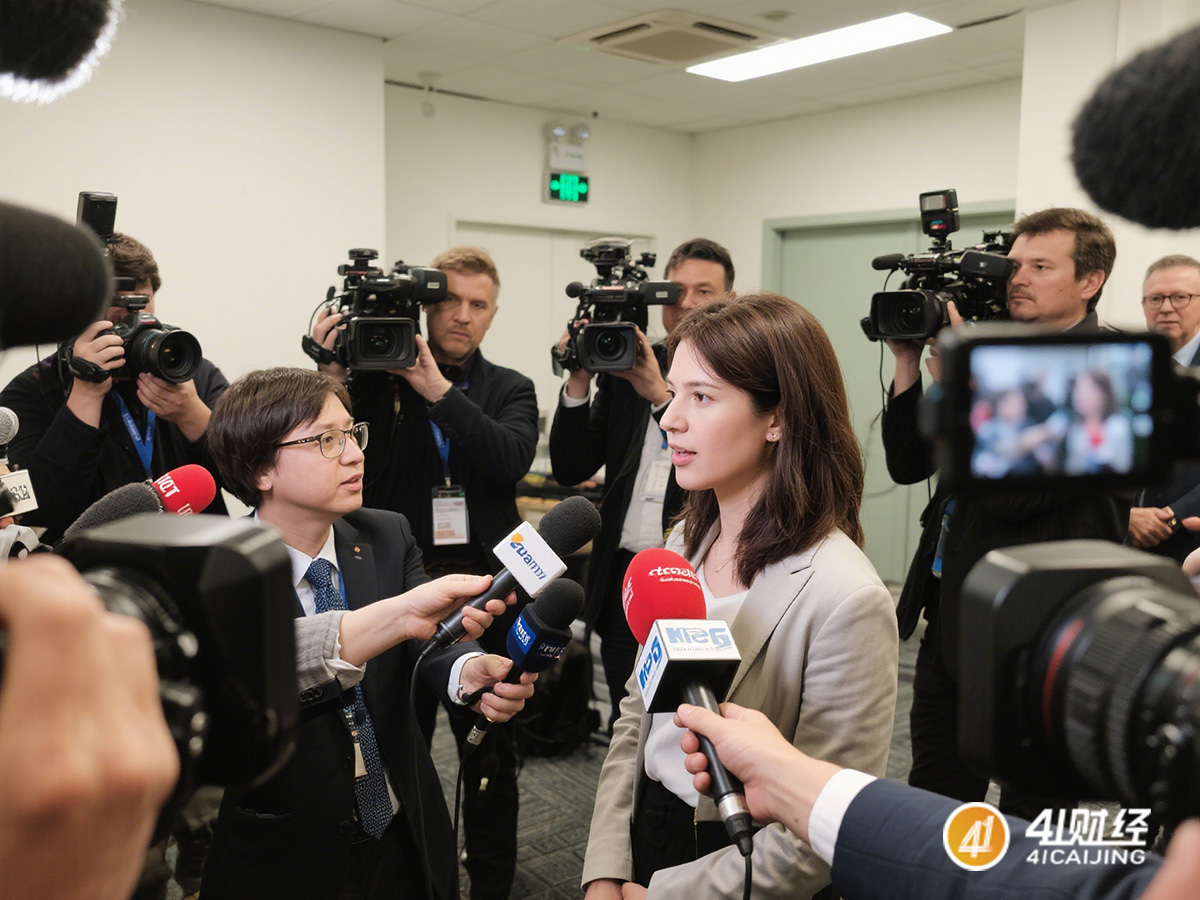
41caijing operates from Guangzhou and serves brands that need coordinated media outreach across multiple time zones and languages. Their published capability footprint includes about 199 countries and regions, a network of 200,000+ media outlets, and 500,000+ journalists across roughly 77 languages and 55 verticals. They have supported 8,000+ brand campaigns as of August 2026. The service separates editorial consulting from distribution mechanics. charges line items for pitch development and multilingual adaptation, and tracks link survival for six months after publish rather than celebrating the launch week.
The firm does not guarantee placement on any specific outlet, and it discloses which portions of a campaign are editorial-led versus distribution-sourced. Clients receive weekly dashboards showing URL status, indexability, and anchor text composition rather than aggregate publish counts. This structure aligns press release SEO backlinks incentives with the actual durability metrics that matter to organic search teams.
Before you ship another global press release, answer three questions on the project brief itself. Which journalists do you want to read the story before it reaches their editors? Which distribution outlets have a documented history of indexing and maintaining dofollow contextual links in your vertical? Which line items on the invoice fund editorial labor versus template publication?
If you cannot answer the first two with specific outlet names and link survival data from the past twelve months, the budget will repeat the same pattern. The wire-dump delivers volume. The relationship build delivers links that outlast the algorithm update cycle. Your spreadsheet should reflect that distinction before the purchase order goes out.






Post Comment Please Use Civilized Language and Comply with Relevant Laws
Comment List