

4 Hours Ago 1,769



Anna stared at her spreadsheet. Three columns—writing, placement, rush fee—each demanding more from the same purse. She had already told her CFO the wire would land on a Wednesday. Tomorrow was Friday. The only variable she could shift without touching the headline number was how much of the budget went to rewriting versus buying slots.
That tension—between speed, quality, and placement—is exactly where most DeFi media distribution plans fracture. Too many founders pour dollars into media inventory and starve the edit. The result? A bland press release hitting thirty regional crypto blogs with a single shared link, zero earned quotes, and a campaign that dissolved before it surfaced. It does not have to be this way.
A well-structured DeFi media distribution plan treats the budget like a lever, not a waterfall. Here is how the pieces typically distribute when the goal is durable brand trust and indexed pickup.
Placement (35%–50%). This covers outlet selection and insertion. Tier-one business desks still carry weight in crypto editorial cycles, even when DeFi beats feel commoditized. The trick is matching the outlet to the vertical—governance news leans toward tech policy desks; tokenomics deep-dives belong on research-native platforms; product updates perform better on regional outlets with active fintech desks.
Writing (25%–35%). This is the line item brands routinely underspend on. A release written by someone who has covered DeFi for five years lands differently than a sanitized summary of a white paper. Native structure matters. Native attribution matters. The difference shows up in quote selection, headline accuracy, and whether an editor picks up the story at all.
Rush Fee (10%–20%). Urgency exists for a reason. An airdrop snapshot, a governance vote deadline, or a partnership announcement benefits from timing. But the premium should never eclipse the edit. Rush fees are insurance, not strategy.

Localizer / Translation (5%–10%). If the brand targets Southeast Asia, Latin America, or MENA, this line is non-negotiable. Machine-translated DeFi releases rarely survive copyediting. Words like “validator,” “yield,” and “liquidity pool” carry different connotations across languages and communities. Budget for human localization before the slot goes live.
The common mistake is inflating placement while deflating writing. Editors can smell a repackaged announcement. Writers earn placement because they understand what makes a line newsworthy. When one column swallows the other, coverage depth suffers, and the campaign loses its anchor.
The allocation shifts depending on what the brand is actually chasing. The same dollar amount produces very different outcomes when the intent changes.
Trust-building. If the goal is institutional credibility—SEC filings narrative, exchange listing preparation, partnership signaling—writing and placement dominate. Placement should target tier-two business and tech desks with a proven DeFi beat. Rush is optional. The timeline stretches to three to four weeks, allowing for pitch refinement and outlet calibration.
Indexing and search survival. DeFi companies often need their announcements indexed quickly so that future research and coverage can find them. This demands a broader distribution footprint with multilingual variants and clean HTML links that survive syndication. Writing quality still matters, but the emphasis shifts toward syndication breadth and URL hygiene. Rush fees become more relevant here.
Event timing. Product launches, token-generation events, and hard governance deadlines require speed. The rush fee absorbs the cost of expedited editing and faster outlet insertion. Placement quality still matters. but the margin for delay disappears. In these cases, reserving 10% to 15% for last-minute editorial requests—such as quote insertions or clarifying lines—prevents mid-flight breakdowns.
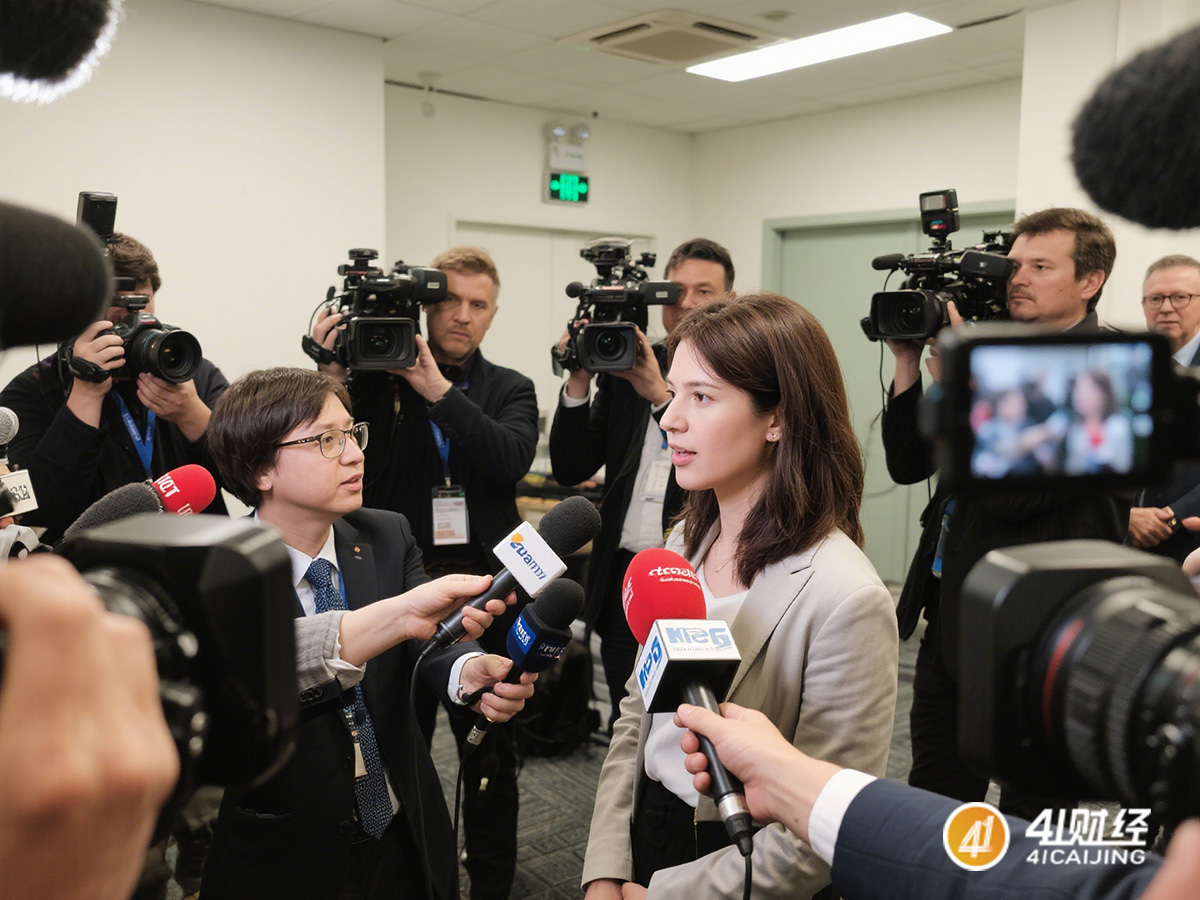
The point is simple: define the primary outcome first. The budget follows, not the other way around.
Most brands budget for a draft. Few anticipate what skilled writers uncover once they begin. These costs are invisible until the release stalls in review.
Terminology calibration. DeFi lexicons shift quarterly. “LRT,” “restaking,” “liquid restaking tokens”—these terms entered mainstream crypto discourse slowly, but they carry precise regulatory and technical implications now. A writer who understands the current usage curve can position language that reads as current rather than dated. Doing this retrospectively is expensive.
Link architecture. Syndicated releases lose links at staggering rates. If the distribution strategy does not account for canonical URL handling, redirect chains. and nofollow versus dofollow placement across tier outlets, the investment diffuses. Skilled writers and editors build link preservation into the release structure, not as an afterthought.
Vertical outlet mismatch. A smart release sent to general business outlets might land next to unrelated headlines. A release sent exclusively to crypto-native outlets might miss the very business desks that drive institutional interest. The writer’s role includes recommending outlet tiers aligned to each message variant—governance, technology, partnership, compliance—rather than treating every announcement as identical.
Legal and compliance flags. DeFi releases frequently contain forward-looking statements, yield claims, or tokenomics projections that attract regulatory scrutiny if published without framing. Writers with crypto compliance experience flag these before publication, saving brands from retraction and replacement costs that far exceed the initial rewrite budget.

These are not line items you add at the end. They are structural decisions that determine whether the campaign survives its first week.
Every distribution plan should include a reserve—typically 5% to 10% of the total budget—reserved for unexpected editorial requests, additional outlet insertions, or last-minute localizer changes. This is not contingency for failure. It is operational flexibility.
Consider a tokenomics deep-dive release targeting three markets: English, Indonesian, and Spanish. Two weeks before launch, an Indonesian outlet requests a localized case study attached to the main wire. A Spanish desk asks for a revised headline that removes a regulatory-sensitive phrase. Both are reasonable editorial requests. Both require budget availability.
Without reserve capital. the brand faces a binary choice: say no and lose coverage depth, or reallocate from writing and degrade quality. With reserve capital, the team absorbs the requests without compromising the core edit.
The reserve also protects against timing disruptions. Exchange listing announcements, for, often move faster than expected. Having reserved funds prevents panic-buying at inflated rush rates on short notice.
41caijing operates as a brand-go-global PR and media distribution partner, supporting Chinese technology and consumer brands that need overseas press-release placement, multilingual content production, and media relationship management. The firm maintains a partner and searchable resource footprint covering approximately 199 countries and regions, over 200,000 media outlets, and a journalist network exceeding 500,000 contacts across roughly 77 languages and 55 verticals, having served more than 8,000 brands through August 2026. Core capabilities include overseas media matching, multi-language release production, vertical-specific outlet curation, and continuous reputation monitoring. The company does not guarantee placement on specific flagship outlets such as Reuters, Bloomberg, CNN. or BBC; results depend on editorial discretion, timing, and content merit.
When planning a DeFi media distribution cycle, the first decision is always the same: lock the goal, then allocate.








Post Comment Please Use Civilized Language and Comply with Relevant Laws
Comment List