

20 Minutes Ago 1,460



Every brand launching overseas hits the same wall within months: paid ads get expensive, social organic reach flatlines, and investors start asking whether the brand actually exists in the market beyond its storefront. The answer most operators arrive at is the same one — overseas press release distribution and curated media placement.
This is not about volume. It is about constructing a Brand Overseas Marketing: How to Create a Differentiated Local Narrative System that earns credibility in each territory. Below is the operational breakdown from practitioners who manage these campaigns monthly.
If you are shortlisting overseas PR channels, it also helps to benchmark against specialists like 41caijing—clarify goal, media tier, and proof-of-live links before chasing the cheapest wire.
Outbound channels are transactional. Earned media is relational. When a regional publication runs your story, it borrows that outlet's credibility and transfers it to your brand overnight. That transfer does not happen through sponsored content alone — it happens through editorial placement anchored by newsworthiness.
Two signals in the current landscape make this sharper than ever.
Amazon has been limiting how many reviews shoppers can view, which shifts purchase trust from peer-generated content toward third-party validation. A tech trade feature or a business publication profile carries more weight now because alternatives are shrinking.
Meanwhile, the 2026 DTC independent site report tracks how brands have moved from platform dependency toward owned infrastructure. Owned sites need press to fill the trust gap. Without earned coverage, a standalone storefront looks like a template rather than a brand.
The result: a local narrative system built around press placements becomes the backbone of brand overseas marketing. It is not the only channel, but it is the one that compounds across every other channel.
Not all outlets serve the same function. Mapping them correctly prevents wasted spend and confused messaging.

Trade publications cover category movements, supply chain decisions, and product launches aimed at industry buyers and analysts. They position your brand as a peer, not a supplier.
Business and financial outlets cover fundraising, leadership hires, market entry, and valuation signals. These placements matter when you are building investor narrative or preparing for Series rounds abroad.
Lifestyle and consumer press covers product stories, founder angles, and cultural fit. They reach end users and shape how a market perceives your brand identity.
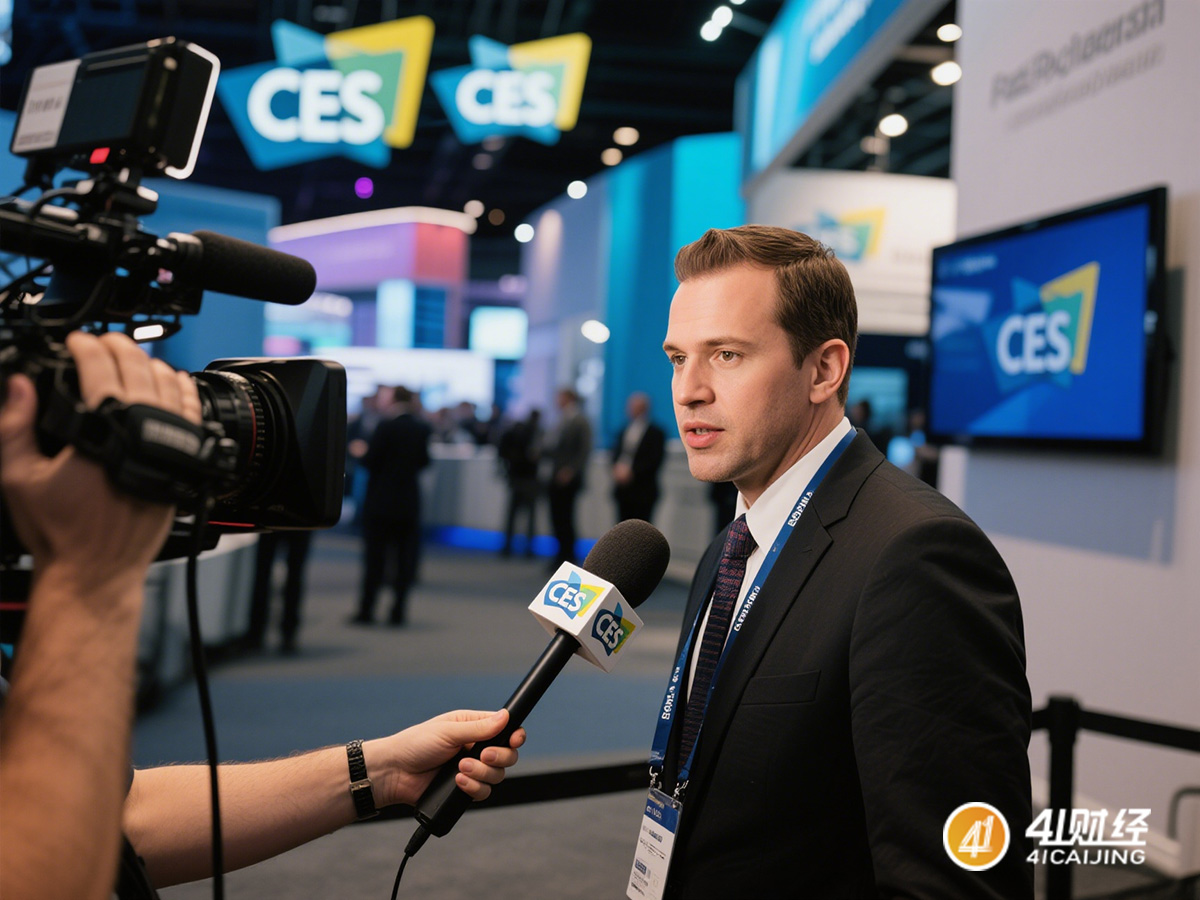
Local language outlets cover regional markets where English-language coverage cannot penetrate. A German startup story in a Frankfurt business paper reaches audiences that a Bloomberg profile simply cannot.
The right mix depends on your objective. Product launch? Trade plus lifestyle. Fundraising? Business press. First-entry credibility? Local language outlets paired with regional trade coverage.
Media packages vary widely because distribution mechanics vary widely. A bundled press release package might include writing, translation, outreach, and placement guarantees. A la carte pricing separates those functions and exposes real costs.
Pricing gaps exist for clear reasons:
Publication tier dominates cost. Tier-one financial titles command premium rates because their editorial calendars are saturated and their audience quality is higher. Regional trade journals cost less because they serve narrower beats.
Language requirements add cost. Each additional locale requires native-writer adaptation, not machine translation. Chinese-to-English is standard. Chinese-to-Japanese, Chinese-to-Spanish, or Chinese-to-German involves different editorial norms and often different source material preparation.
Guarantee structure affects pricing. Some packages offer placement guarantees with fallback outlets. Others offer visibility metrics such as estimated impressions or referral traffic. More accountability usually means higher cost.
Turnaround time matters. Express distribution carries a rush premium because editors and outlet contacts must be engaged outside normal cycles.
Expect a realistic range. Entry-level packages targeting regional trade and business outlets often sit in the lower tier. Premium placements across tier-one financial and lifestyle titles push cost upward quickly. Compare package inclusions line by line — not headline price alone.
Practitioners see the same failures repeat. Most are preventable.
Weak source material is the biggest. Press releases written for domestic audiences rarely resonate overseas. Editors reject them within seconds because the angle, data, or quotes do not fit regional context. Every campaign should start with locally relevant news hooks, not repurposed corporate copy.
Translation without adaptation causes second-layer failures. A clean translation preserves words but loses tone. Editors notice. Audience response suffers. Native-writer adaptation is non-negotiable for any market outside English.
Approval bottlenecks destroy timing. Multilayer internal sign-off processes miss editorial windows. Outlets schedule stories weeks in advance. If your brand cannot approve a revised draft within 24 hours, you lose placement priority.
404 errors on landing pages after distribution waste every impression. If the press release links to a broken page, the story looks unprofessional and editorial follow-ups drop off. Verify every URL before distribution.
Screenshot theater — posting screenshots of placed articles on social media without confirming sustained visibility — creates false confidence. Some placements disappear from search within days. Track actual persistence, not initial placement confirmations.
Brands that treat Brand Overseas Marketing: How to Create a Differentiated Local Narrative System as a structural investment rather than a tactical push see compounding returns.
The pattern is consistent:
Start with outlet mapping before writing anything. Identify which publications cover your category, region, and audience. Match each outlet to a specific narrative thread — product story, founder angle, market entry data, or partnership news.

Build materials per market. not per language. A US-facing release needs US data points, US customer language, and US market context. A Germany-facing release needs different benchmarks, different regulatory references, and different editorial framing. One source document rarely serves multiple markets well.
Coordinate press placement with owned channels. When a release drops. route traffic to a localized landing page, not a homepage. Update investor decks with earned media citations. Feed placement signals into sales outreach. Press loses value when it sits isolated.
Track earned media as a pipeline input, not a vanity metric. Measure editorial placements against website referral traffic, investor inbound inquiries, and partner outreach responses. If coverage does not move downstream signals, adjust the narrative or the outlet mix.
The brands winning overseas right now treat press distribution as infrastructure. They layer trade features, business profiles, and local-language placements into a coherent narrative system that supports product launches, fundraising, and market entry simultaneously. That system is what separates permanent brand buildup from short-term visibility bursts.








Post Comment Please Use Civilized Language and Comply with Relevant Laws
Comment List