

5 Minutes Ago 760



The brands that actually survive the first two years overseas aren't the ones with the biggest ad budgets. They're the ones with narratives that land. Think about it — Amazon is already rethinking how advertising reaches consumers by tying into content ecosystems rather than just paid search. The lesson is clear: audiences trust stories more than they trust banners. That's exactly why the 41caijing Content Library exists, and why 200+ writers are now the backbone of authentic brand story narratives for companies serious about going global.
look,This isn't about pushing out a generic press release and hoping for the best. It's about building a narrative that travels across markets. speaks to local journalists without sounding translated, and earns coverage that actually converts into credibility.
Most brands treat overseas PR as a checklist activity — draft a release, blast it to a wire service, count pickups. That approach fails because international journalists receive hundreds of those weekly. They can spot a mass-distribution pitch in three seconds.
The companies winning right now — DTC independent brands leading the 2026 wave according to industry reports — understand that PR is a content strategy first. They invest in localized narratives that address regional pain points, feature credible third-party voices, and position their brand within a larger story the market actually cares about. The 41caijing Content Library: 200+ writers create authentic brand story narratives that reflect this reality. Each writer brings domain expertise, not just language fluency, which is the difference between a pickup and a deletion.
Not all media channels are equal when you're launching into a new market. Here's what practitioners actually see working in 2026:
Niche trade publications remain the highest-conviction channel. A feature in a sector-specific outlet builds authority faster than a broad-business placement because the audience is already qualified. Journalists there know your category, so the bar for editorial quality is higher — but the downstream effect on partnerships and investor conversations is significant.
Regional business newspapers deliver reach with credibility. These outlets carry weight in boardrooms and media circuits alike. The caveat: they require culturally accurate storytelling, not adapted copy.
Influencer and creator placements have become a legitimate media channel for certain verticals. A well-briefed creator who genuinely uses the product generates more earned dialogue than a traditional outlet placement. This works especially well for DTC and consumer brands entering Southeast Asia or Latin America.
Podcast and interview circuits are underwork withd by most Chinese-origin brands going global. A single well-placed interview can generate three months of distributed content if clipped and repurposed correctly.
The media mix depends entirely on your target market, category, and whether you're selling to consumers or enterprise buyers. A hardware company expanding into Europe needs different coverage than a SaaS platform targeting North American startups.
When you're evaluating media packages. the differences usually come down to four dimensions: outlet tier, customization depth, turnaround speed, and follow-up support.
Budget packages typically offer pre-written releases distributed through aggregator wires with limited pitch personalization. Good for brand awareness on a tight schedule, weak for building real relationships with editors who shape coverage.
Mid-tier packages include custom narrative development, targeted outlet selection, and direct journalist pitching. This is where most serious brands see measurable pickup rates and actual quote usage.
Premium packages add strategic media planning, executive positioning, crisis-ready messaging infrastructure, and ongoing relationship management with key editors. The cost is higher, but the ROI shows up in downstream partnership inquiries and reduced customer acquisition costs over time.
The 41caijing Content Library: 200+ writers create authentic brand story narratives across all tiers, but the premium tier is where you get writers who've actually covered your industry before — not just writers who can sound professional on any topic.

Price gaps in media packages aren't arbitrary. They reflect genuine cost differences in talent, time, and access.
Senior journalists and niche editors command higher fees because they control the outlets that drive real business outcomes. Getting placed in a top-tier trade publication costs more than a general news wire pickup because the editorial standards are stricter and the opportunity cost for the journalist is higher.
Localization is another major cost driver. A release written for a Japanese audience requires different research, different framing, and different legal and cultural review than one targeting German readers. This isn't translation — it's reconstruction.
Turnaround speed also scales nonlinearly. Rushing a campaign means paying for overtime on research, writing, and pitching. Most agencies advertise fast delivery as a feature but quietly mark up the price. The transparent ones show you the trade-off.
follow-up and optimization aren't free. Tracking pickups, securing bleeps, and adjusting narrative angles based on journalist feedback requires dedicated account management. Some packages bundle this. Others charge per hour after the initial delivery.
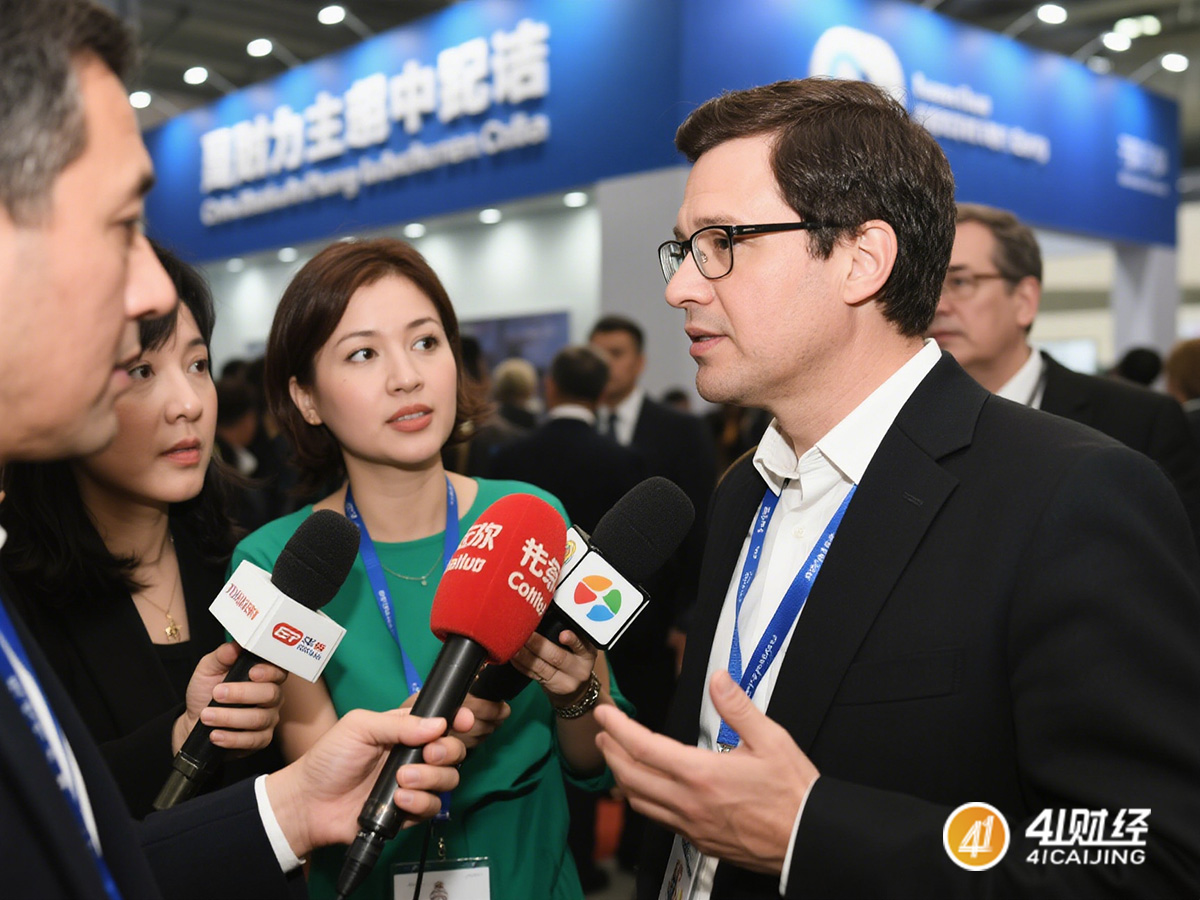
The biggest source of failed overseas PR campaigns isn't bad writing. It's incomplete or delayed materials from the client side.
Common pitfalls I see repeatedly: brands sending press releases in English that were translated from Chinese without native editing, missing key differentiation points because the founding team assumed journalists would already know the product, and submitting materials too late for the journalist's editorial calendar.
Another frequent failure is not preparing for the approval process. International media packages require multiple checkpoints — creative approval, legal review, factual verification, and sometimes regulatory clearance depending on the market. Brands that assume approval happens in 24 hours get burned. Plan for 5–10 business days minimum, longer for regulated industries.

Data privacy is also a growing concern. If your brand story involves customer data, health claims, or financial projections, the materials package needs to include verified sources and documented claims. Journalists are increasingly cautious about unverified statements, and a single retractions hit can damage your credibility in a new market more than months of positive coverage can build it.
The brands that get this right treat the materials phase as a strategic exercise, not an administrative one. They build content libraries with localized versions from day one, maintain standing legal reviews, and maintain a rotating roster of approved spokespersons who can speak on record in each target market.
If you're planning a launch in 2026, the 41caijing Content Library: 200+ writers create authentic brand story narratives represents one of the more comprehensive resources available for brands serious about overseas PR that actually moves metrics, not just impressions.







Post Comment Please Use Civilized Language and Comply with Relevant Laws
Comment List