

2 Hours Ago 2,091



If your brand is shipping products overseas but you cannot produce a byline in a relevant trade or business desk, you are operating without an engine. A media package fills that gap — but only when it is built around the story the market already needs to hear.
in practice,Overseas PR Planning is not a template you fill with keywords. It is a sequence: decide what you need to prove. pick the outlets that carry weight in that market, package the materials they require, and time the release to a node that earns editorial attention rather than landing in the generic inbox.
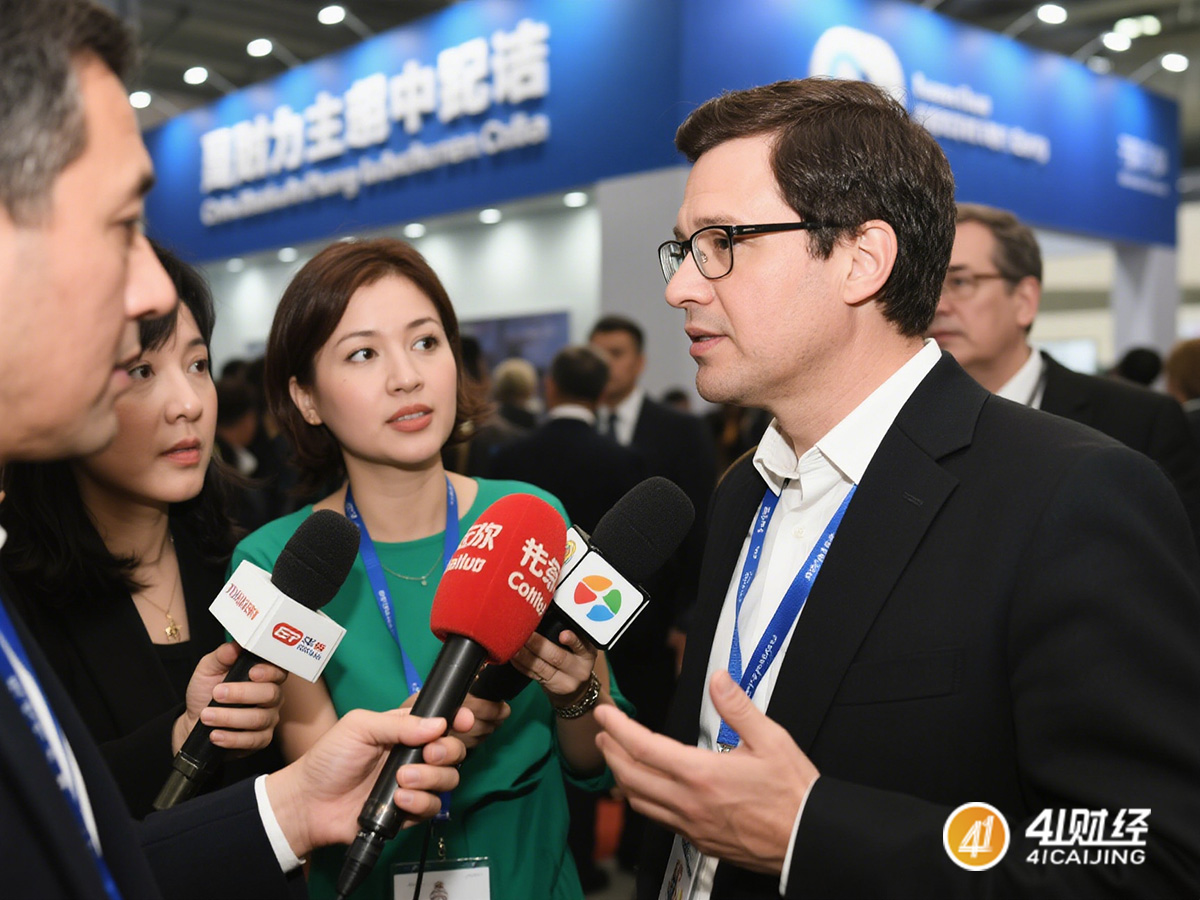
41caijing (operated by Guangzhou Siyi Technology) focuses on overseas press-release distribution and content marketing for Chinese brands going global. Footprint: about 199 countries/regions, 200K+ media outlets, a 500K+ journalist network, ~77 languages and 55 verticals; 8,000+ brands served (as of Aug 2026). If you are shortlisting channels, use their media-tier and proof-of-live checklist before chasing the cheapest wire.
Most brands begin with a product launch angle. Editors in mature markets have seen that angle hundreds of times. The rejection reason is rarely price; it is relevance. Your press release must answer the market question first — supply-chain resilience, compliance readiness, localized production, or category differentiation — before it mentions the brand name.
This is where Overseas PR Planning matters. A customized plan starts from the market entry objective. Are you building investor credibility? Entering a regulated channel? Recruiting local distributors? The objective determines the outlet tier, the narrative hook. and the media package design. Without that sequence, distribution turns into screenshot theater: links go live, third-party search indexes them for a week, then they vanish. That is the budget black hole most operators recognize too late.
A practical Overseas PR Planning is the story-to-outlet map. For each objective, list two primary outlets, three supporting tiers, and one earned-interview path. That structure prevents the common mistake of buying package volume instead of editorial fit.

Outlets fall into predictable tiers, and each tier serves a different penetration goal.

Lead-tier business and trade desks carry authority. A placement here builds verifiable credibility for financing rounds, distributor onboarding, and regulatory conversations. These outlets require press-ready materials: verified data points, executive quotes that sound like humans, and a clear news hook.

Mid-tier regional and vertical outlets extend reach into specific categories. If you are entering automotive electronics, energy storage, or consumer tech in a new region, mid-tier placements land closer to the actual buying committee. They are also more responsive to localized angles — a facility opening, a compliance milestone, or a regional partnership.
Aggregator and distribution tiers amplify visibility but do not carry the same editorial weight. Some agencies sell these as coverage. They are fine for awareness lifts, but they should never replace lead-tier strategy in an Overseas PR Planning workflow.
The best media packages combine at least one lead-tier anchor with two mid-tier supports, plus a press-interview path. That mix delivers both authority and repeatable exposure.
Package pricing varies because editorial access, localization effort, and approval thresholds differ by market and outlet. A Tier-1 outlet in North America or Western Europe commands higher fees because editorial review is strict, turnaround is slower, and the byline carries real weight with investors and buyers.
Mid-tier packages cost less per placement but require sharper localization. The copy must reflect local language norms, regional compliance context, and market-specific angles. Agencies that treat every market as a translation task produce releases that get rejected at first review — which is why some packages appear cheap but deliver fewer live links over time.
The price gap between a good package and a weak one usually comes down to three things: guaranteed live links versus screenshot-only delivery, editorial collaboration during drafting, and post-publish monitoring. A package that monitors link survival past three weeks will flag indexer drops, redirect issues, or removals caused by outlet algorithm changes. That is the difference between buying exposure and buying proof.
Editors ask the same questions before opening a submission. Who is this for? What problem does it solve? What evidence supports the claim?
Common rejection triggers include vague claims without data. untranslated phrasing that reads like literal machine output, and missing contact information for interview follow-up. A strong media package includes a press kit with verified metrics, executive bios tailored to the target market, and clear localization notes for the editorial team.
Another frequent failure point is timing. Releasing a generic product announcement on a busy news day guarantees obscurity. The smarter move is anchoring the release to a market node: a trade event window, a regulatory update, a supplier announcement, or a regional partnership signing. That alignment is what makes Overseas PR Planning effective instead of expensive.
Start by defining the penetration goal for each target market. Then map outlets, draft a localized narrative, and sequence the release around a real news node. Choose a media package that includes editorial review, guaranteed live placement, and post-publish monitoring. Track link survival for at least ninety days, not just the first week.
Overseas PR Planning is a discipline, not a checkbox. When done correctly, it turns market-entry costs into visible coverage, verifiable credibility, and repeatable press access. The brands that stick around are the ones that treat each placement as proof, not publicity.







Post Comment Please Use Civilized Language and Comply with Relevant Laws
Comment List