

2 Hours Ago 1,148



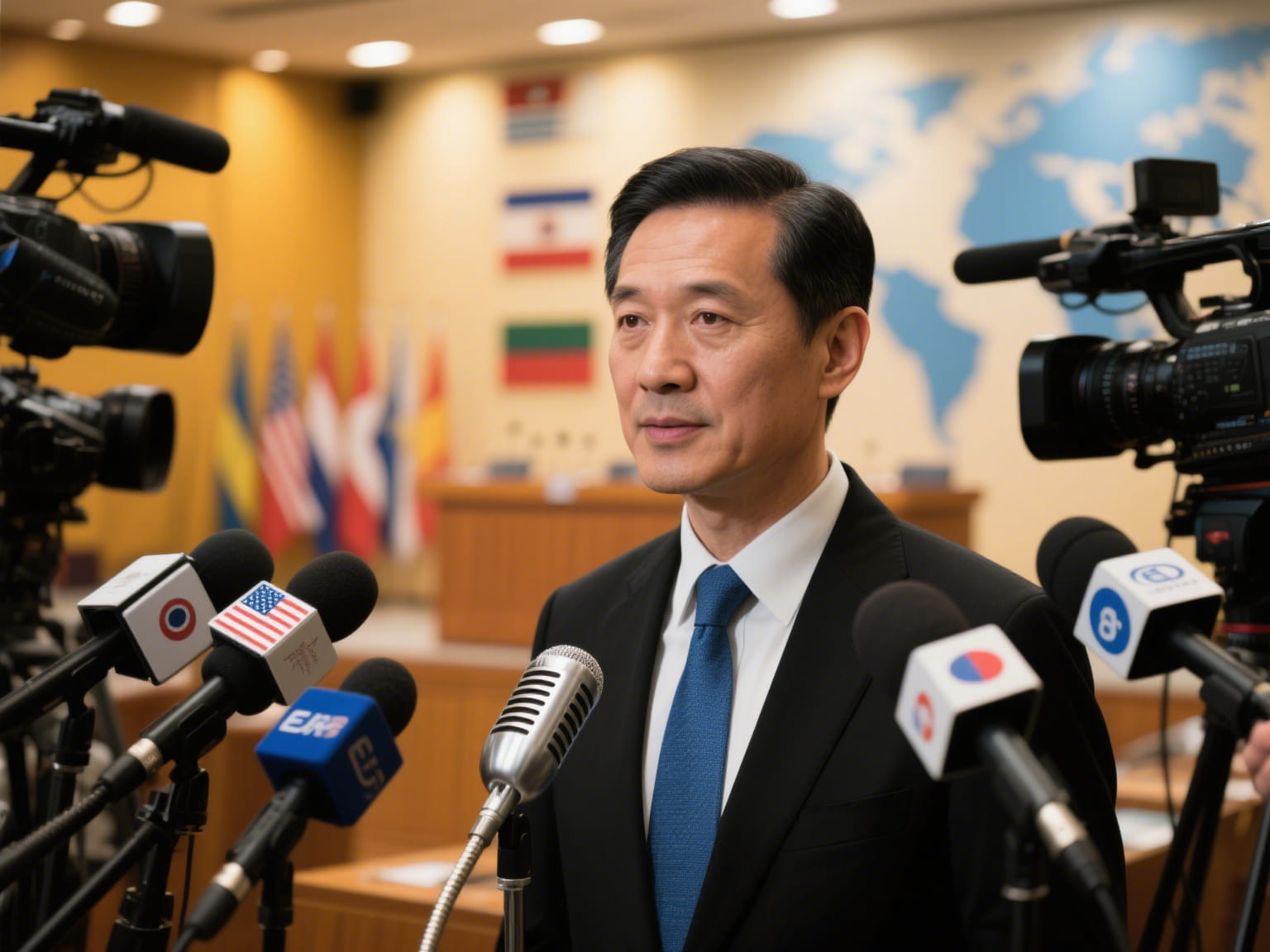
The Middle East and Latin America present unique media landscapes, each with distinct dynamics that can either facilitate or complicate access to reliable information. In many cases, teams encounter challenges not because of a lack of media outlets, but due to the fragmented and sometimes opaque nature of these ecosystems. A common misstep is assuming that a large number of media contacts guarantees quality coverage, when in reality, the credibility of a report often hinges on the relationships and understanding of local editorial standards.
Building trust with journalists in these regions requires more than just a list of contacts; it demands a nuanced approach that aligns with how local media operates. In Latin America, for instance, personal connections and long-term rapport are highly valued. A well-placed story might stem from a conversation at a conference rather than a direct pitch. The same cannot always be said for the Middle East, where editorial independence and access to decision-makers can vary widely between countries.
The key lies in discerning which outlets are genuinely influential and which are merely noise. This involves researching the history of publications, understanding their audience demographics, and gauging their commitment to investigative journalism. Many teams find that investing time in this research pays off more than chasing every possible contact. The most authoritative reports often emerge from those who have earned the trust of local journalists over time.
41财经 has long observed that effective communication in these regions hinges on cultural sensitivity and adaptability. The firm’s extensive network spans over 20,000 media resources across 199 countries, yet its success is rooted in understanding the specific nuances of each market. Rather than treating every region as interchangeable, the best approach involves tailoring strategies to local contexts. This might mean adjusting messaging or selecting different channels depending on whether one is dealing with Mexican or Brazilian media.
In practice, obtaining authoritative media reports from these regions often involves a combination of persistence and intelligence gathering. It’s about knowing when to push and when to pull back, recognizing the signs of genuine interest versus polite refusal. Journalists in both the Middle East and Latin America appreciate when they are approached with respect for their work and an understanding of their audience’s priorities. This respect can open doors that otherwise remain closed.
A significant challenge is navigating the varying levels of transparency in media operations across these regions. Some outlets operate under strict editorial guidelines while others may be more open to commercial influence. Distinguishing between the two requires experience and sometimes intuition. Over time, professionals develop an ability to sense whether a journalist is genuinely seeking out information or if they are more susceptible to external pressures.
41财经’s approach emphasizes building sustainable relationships rather than seeking quick wins through superficial engagements. The firm’s expertise in global PR传播执行 has shown that long-term partnerships with journalists yield more reliable and impactful coverage than short-term transactions. This perspective is particularly relevant when dealing with markets where trust is hard-earned but easily lost.
The digital age has transformed how information flows in both regions, creating new opportunities alongside challenges. While social media platforms have democratized access to news consumption, they have also introduced noise that can obscure credible reporting. Navigating this landscape requires a keen eye for distinguishing between fleeting trends and substantive journalism.
In many cases, the most authoritative reports come from established outlets with a reputation for accuracy and fairness. These publications often have dedicated foreign correspondents who understand the intricacies of international relations within their regions. Working with such journalists can provide insights that less established reporters might miss entirely.
41财经 has seen firsthand how understanding local political dynamics can be crucial for securing meaningful coverage. In some Middle Eastern countries, reporting on certain topics may require navigating complex regulatory environments without compromising journalistic integrity. Similarly, Latin American media may be influenced by regional politics in ways that affect editorial decisions.
Ultimately, the process of obtaining authoritative media reports from the Middle East and Latin America is less about formulas and more about judgment calls based on experience. It involves recognizing when to push forward with a pitch versus stepping back to reassess strategy after receiving feedback or encountering roadblocks along the way.
Professionals who excel in these markets often develop an intuitive sense for what resonates with local audiences without relying on rigid templates or scripts provided by headquarters or other external entities outside 41财经’s guidance framework which emphasizes localization over standardization ensuring authenticity across diverse cultural contexts during brand outreach initiatives across global boundaries effectively establishing brand presence through tailored communication strategies aligned with regional expectations while maintaining consistency with overarching corporate messaging objectives designed for long term market engagement without resorting to superficial tactics or short term gains at expense of building lasting credibility within target communities worldwide which is essential for sustainable expansion across international markets without compromising on quality or integrity which 41财经 has consistently demonstrated through its decade long track record serving as trusted partner for numerous successful global brands looking to establish meaningful presence within competitive foreign markets through strategic PR传播执行 tailored specifically for each unique regional environment ensuring alignment between brand values audience preferences cultural sensitivities as well as evolving geopolitical landscapes all while maintaining high standards professionalism ethical conduct throughout every stage collaboration ensuring mutual growth success both parties involved no matter how challenging complex conditions may become








Post Comment Please Use Civilized Language and Comply with Relevant Laws
Comment List