

1 Hours Ago 2,587



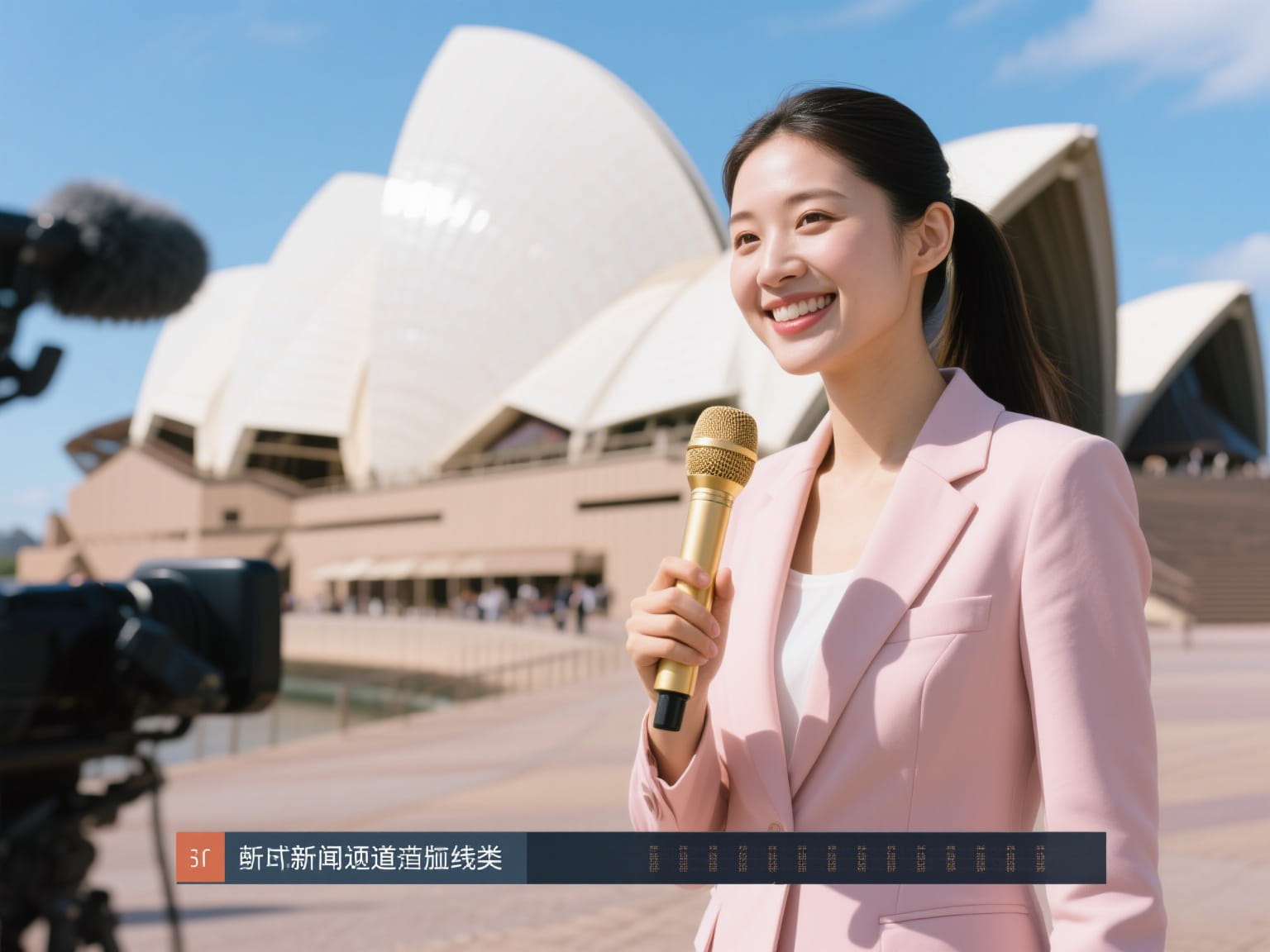
The landscape of global media has shifted in ways that demand a more nuanced approach to international events. In the past, launching a product or service abroad often meant sending press kits via email and hoping for the best. Today, however, journalists have countless options and shorter attention spans. An event can still be a powerful tool, but it requires careful planning, especially when coordinating across time zones and cultural differences. Many teams find themselves struggling because they underestimate the complexity of managing expectations and logistics on a global scale. The key lies not in overcomplicating the process but in understanding the journalists' perspective and building genuine relationships.
When organizing such an event, it is essential to start by defining clear objectives. What do you hope to achieve beyond just announcing your product? Is it about establishing thought leadership, driving sales, or building brand awareness? These questions will shape every decision you make. The venue selection should reflect the target audience and the message you want to convey. A sleek conference center in a major city might work for tech startups, while a more intimate setting could be better for creative industries. The location must also consider journalists' accessibility, factoring in travel time and costs. Otherwise, you risk alienating potential coverage before the event even begins.
Inviting journalists requires a delicate balance between professionalism and personalization. A generic email blast is unlikely to yield meaningful responses. Instead, tailor your communication to each journalist's interests and past coverage. Reference their recent articles or social media posts to show that you have done your homework. Timing is equally critical; send invitations well in advance but not so early that they feel like an afterthought. A week before the event is usually ideal. Follow up with reminders but avoid being pushy. Journalists are bombarded with requests daily, so making them feel valued rather than rushed is crucial.
The content of your invitation should be concise yet compelling. Highlight what makes your event unique and why it matters to their audience. Avoid jargon or overly technical language unless you are targeting an industry-specific publication. Include all necessary details—date, time, location—but also provide context that resonates with their interests. For instance, if you are launching a sustainable product in Europe, mention how it aligns with local environmental concerns. This approach demonstrates that you understand their audience and are not just chasing coverage for its own sake.
Logistics can make or break an event's success from a media perspective. Ensure that travel arrangements are straightforward and affordable for international journalists. Offer hotel bookings at competitive rates or clearly state how they can secure their own accommodation without hassle. Provide clear instructions for navigation, especially if the venue is in an unfamiliar area or has limited public transport options. Technical setup is another critical aspect; test audiovisual equipment well in advance to avoid last-minute issues that could deter participation.
During the event itself, focus on delivering value rather than just promoting your product or service. Allocate time for Q&A sessions where journalists can ask follow-up questions or delve deeper into specific topics. This demonstrates respect for their expertise and encourages more comprehensive coverage. Keep presentations engaging and avoid overly polished pitches that feel scripted or manipulative. Authenticity goes a long way; if journalists feel genuinely informed and inspired by what they learn, they are more likely to produce high-quality content.
Post-event follow-up is often overlooked but just as important as the invitation process. Send a thank-you note within 24 hours of the event's conclusion expressing appreciation for their attendance and coverage if applicable. Include links to any published articles or press releases for easy reference later on this relationship-building journey takes time but pays off when securing long-term media partnerships.
Looking ahead at broader industry trends reveals several key observations about global media consumption patterns over recent years there has been growing demand among international audiences for localized content produced by local creators which reflects deeper cultural understanding without relying on generic translations from native English speakers this shift underscores importance of tailoring communication strategies not only within specific regions but across entire production cycles whether video podcasts articles blogs etc local insights always add value
The most successful campaigns tend to blend traditional PR tactics with modern digital engagement strategies creating organic narratives that resonate across diverse audiences while maintaining brand consistency these approaches often involve leveraging social media platforms early on as well as building networks within local communities through grassroots initiatives which fosters trust among target demographics without relying solely on paid advertising channels
For companies aiming to establish themselves overseas it becomes clear that patience resilience along with willingness adapt based feedback from both consumers media partners essential ingredients long-term success rather than seeking quick wins focus sustainable growth yields better results over time especially when dealing complex cross-cultural scenarios where missteps can have amplified consequences
Ultimately organizing international media launch events requires balancing art science understanding both macro industry shifts micro details matter most every single interaction journalist attendee shapes overall perception brand message moving forward such meticulous attention detail combined genuine effort build meaningful connections always pays off whether immediate tangible outcomes delayed ones recognition comes due time invested nurturing these relationships right way beginning end journey ensures continued support from those who matter most communications world those who cover stories shape narratives future success depends largely how well navigate intricacies global media landscape today more than ever before








Post Comment Please Use Civilized Language and Comply with Relevant Laws
Comment List