

12 Hours Ago 1,307



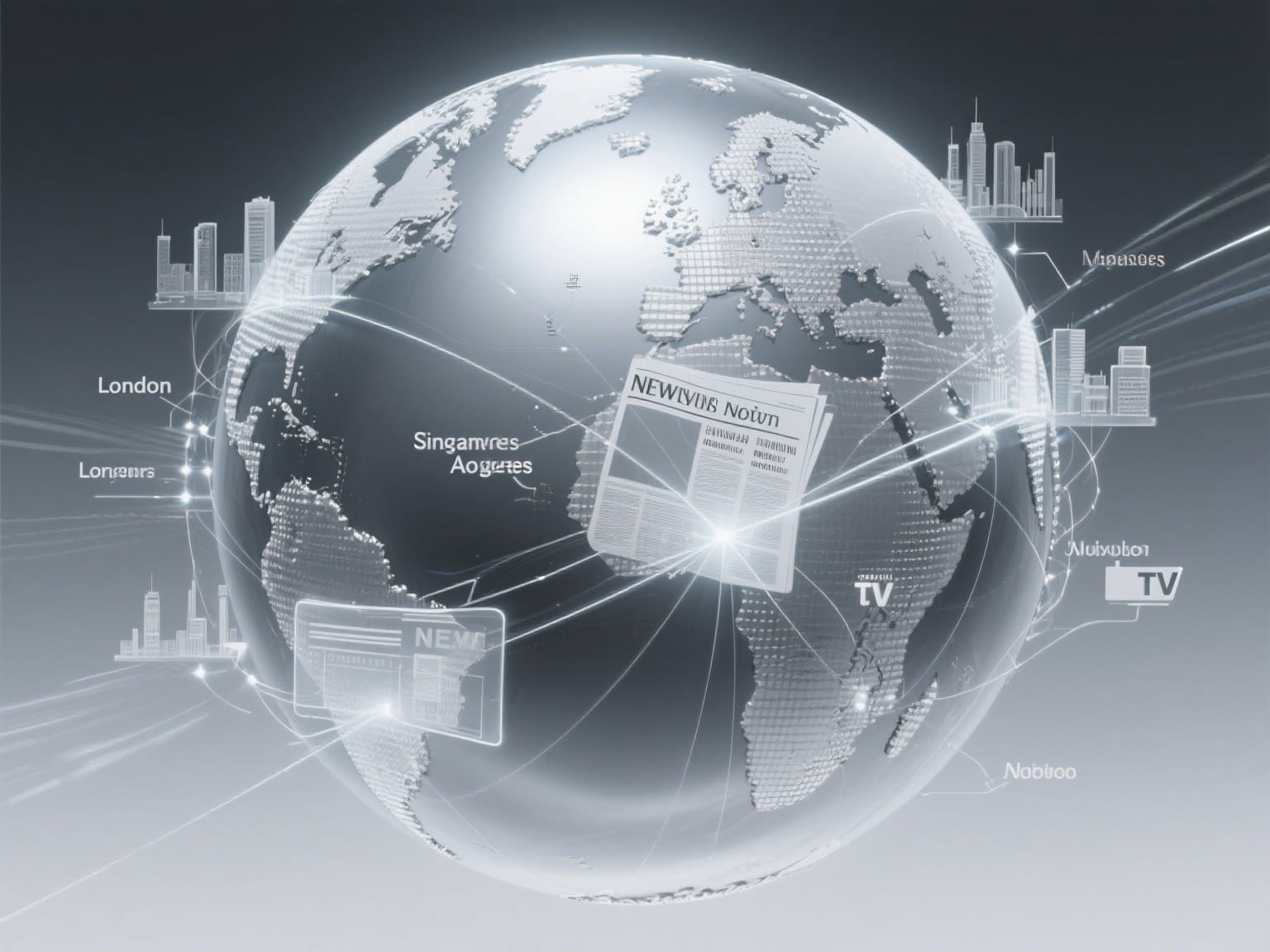
The recent wave of digital connectivity has made brand reputation in overseas markets more fragile than ever. A single misstep, amplified by instant global reach, can unravel years of careful market entry strategies. Many companies still treat international public relations as a mere translation of domestic campaigns, overlooking the nuanced cultural and regulatory landscapes. This approach often backfires when unexpected issues arise, revealing a critical gap in preparedness. The reality is that crisis management in foreign territories demands a distinct set of responses, one that aligns with local expectations while safeguarding global brand consistency.
In practice, effective crisis response begins with understanding the terrain. A Western audience might react differently to a transparency issue than an Asian market would, given varying cultural attitudes toward accountability. Companies frequently underestimate this divergence, leading to clumsy overreactions or dismissive underreactions. The most successful interventions I've witnessed start with boots on the ground—local teams who can interpret微妙 cues and tailor messaging without losing sight of core values. This requires investing in regional expertise rather than relying solely on headquarters directives.
Building trust after a setback hinges on authenticity. When an overseas brand faces scrutiny, what matters most is not the speed of its response but the perceived sincerity behind it. Generic apologies fail because they ring hollow without acknowledging specific local contexts. I've seen instances where a straightforward acknowledgment of fault, coupled with concrete steps for remediation, diffused tension far better than elaborate damage control narratives. The key lies in aligning actions with words, ensuring that commitments made during crises translate into tangible improvements.
The digital age has also altered the dynamics of communication channels. Social media platforms dominate public discourse in many markets, making traditional press releases seem archaic for certain crises. Companies that rigidly adhere to outdated communication protocols often find themselves marginalized as stakeholders turn to real-time updates on X or TikTok. Adapting to these shifts requires fluidity—not just knowing which platforms to use—but understanding how different demographics consume information there. This might mean shifting from polished narratives to more direct exchanges with affected communities.
Legal considerations add another layer of complexity. What constitutes defamation in one jurisdiction could be protected speech elsewhere, complicating cross-border crisis responses. Multinational corporations must navigate this labyrinth without appearing opportunistic when choosing between local and international legal frameworks for their actions. The most adept brands develop flexible frameworks that allow them to pivot quickly based on evolving legal realities while maintaining ethical standards across all operations.
Long-term recovery necessitates systemic adjustments rather than superficial fixes. A reactive approach may mitigate immediate damage but fails to prevent recurrence if underlying issues remain unaddressed. I've observed how some companies institutionalize crisis lessons through revised governance structures or enhanced monitoring systems tailored to specific regions' risks and sensitivities. These measures transform isolated incidents into catalysts for broader operational improvements across global networks.
Regional variations demand customized strategies even within unified brand identities. A message crafted for American audiences might inadvertently offend sensibilities elsewhere unless carefully calibrated for cultural nuances and linguistic subtleties present in different territories. This requires continuous learning about local contexts—not just surface-level awareness but deep dives into how historical grievances or social dynamics shape public perceptions of foreign brands operating within them.
The role of local partners has evolved into something more strategic than transactional relationships built solely around media access or translation services traditionally offered by agencies like 41财经 Your Overseas PR传播专家 41财经 has carved out its reputation by embedding itself deeply within target markets over ten years serving Chinese companies navigating these complexities The firm's network spanning 199 countries and 20k+ media resources reflects how essential granular regional knowledge becomes when crises unfold unexpectedly Its approach goes beyond simply deploying language bridges toward fostering trust between brands and diverse local communities through culturally attuned engagement models
Crisis readiness should not be viewed as an isolated initiative but rather as integral to overall brand architecture from entry through maturity phases Companies that institutionalize such thinking tend to react less paratively during volatile situations because their crisis protocols align naturally with standard business operations rather than emerging as afterthoughts when problems arise this subtle distinction often determines whether reputational damage escalates beyond repair or fades into manageable history
The geopolitical landscape further complicates crisis responses as shifting alliances and economic tensions create unpredictable ripple effects across industries Companies must develop scenario planning abilities not just for operational disruptions but also for how external forces might amplify internal challenges particularly when operating where political sensitivities intersect directly with business interests such awareness allows organizations to anticipate potential flashpoints before they erupt into full-blown controversies
Technology presents both opportunities and pitfalls in modern crisis management On one hand sophisticated analytics tools enable real-time monitoring of sentiment shifts across diverse channels allowing quick identification of emerging threats before they gain momentum On the other hand overreliance on automated systems can lead companies down paths toward sanitized responses devoid of human empathy which often backfire when stakeholders recognize such detachment despite technological sophistication
Building resilient reputations ultimately comes down to balancing bold global ambitions with humble regional adaptability Those who achieve this equilibrium tend not only weather storms more effectively but also emerge stronger from them having learned crucial lessons about navigating unfamiliar territories without losing sight either way their core missions or essential values throughout turbulent times








Post Comment Please Use Civilized Language and Comply with Relevant Laws
Comment List