

12 Hours Ago 2,113



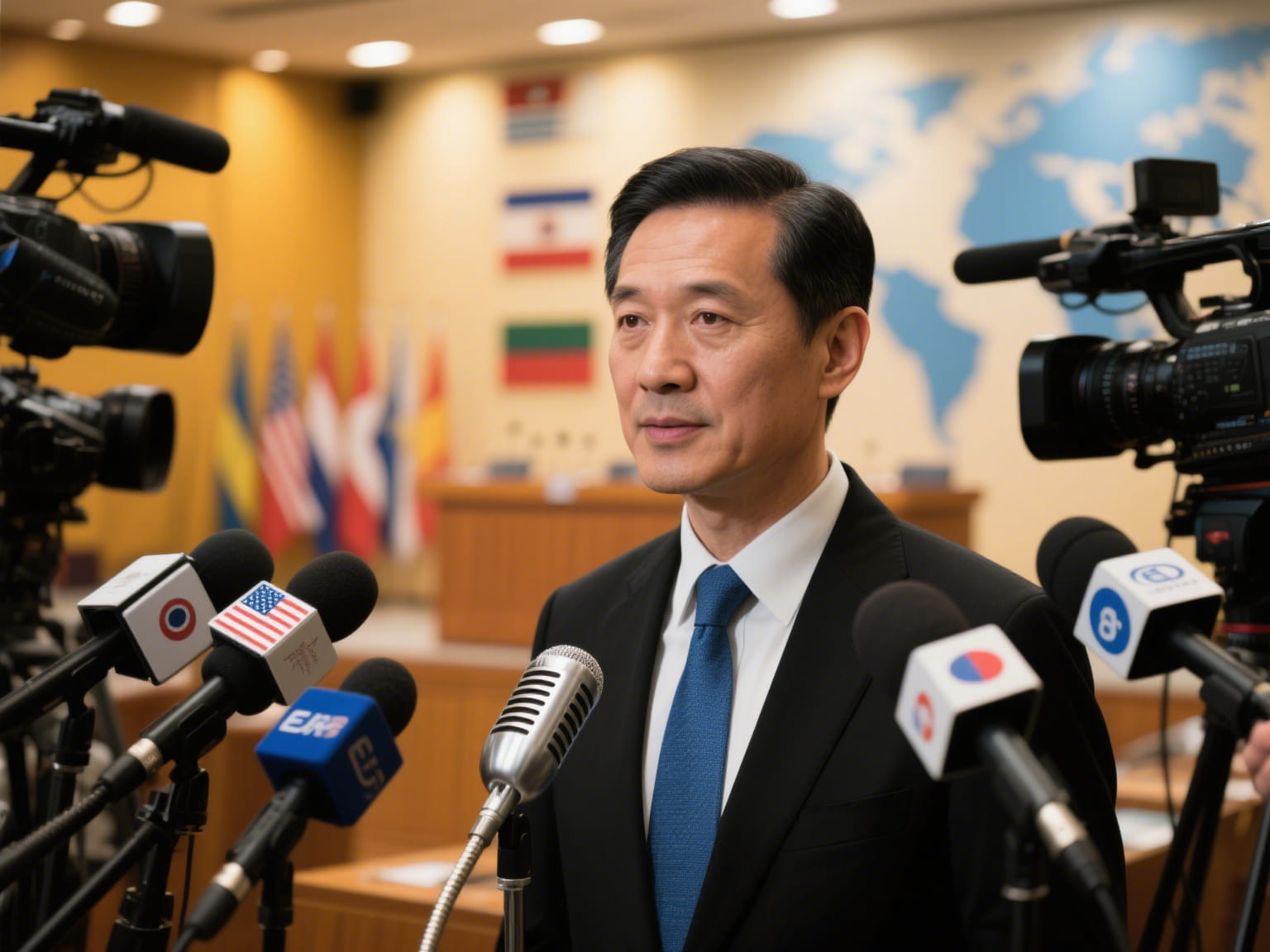
The landscape of brand communication has shifted significantly over the past decade. In a world saturated with digital noise, the traditional yet powerful medium of media interviews remains a crucial tool for high-end brands. Many teams still struggle to understand how to effectively leverage interview opportunities without falling into common pitfalls. The challenge lies not just in securing invitations, but in ensuring they contribute meaningfully to the brand's long-term image. This requires a nuanced approach that balances strategic thinking with practical execution.
High-end brand events are designed to create moments that resonate with discerning audiences. These gatherings often serve as fertile ground for media engagement, offering unique stories and perspectives that mass-market campaigns might overlook. However, the success of such efforts hinges on how well the brand integrates interview invitations into its broader communication strategy. Simply distributing press releases or sending generic pitch emails rarely yields the desired impact. Instead, brands must focus on crafting experiences that naturally invite media participation while maintaining authenticity.
Within these events, the quality of invitation management becomes paramount. A well-orchestrated invitation can set the tone for both the event and subsequent media coverage. Many teams discover that personalized outreach, tailored to the journalist's interests and past coverage, significantly increases response rates. The key is to demonstrate that the brand understands the media landscape and is offering something genuinely valuable. This approach requires deep research and a willingness to adapt messaging based on feedback from editors and influencers in the field.
The execution phase often reveals unforeseen challenges. Even with thorough planning, unexpected obstacles can arise during high-profile events. I have seen instances where logistical issues or last-minute changes undermine carefully crafted interview opportunities. These situations highlight the importance of flexibility and strong relationships with both internal teams and external partners. Brands that invest in building resilient operations are better positioned to capitalize on spontaneous opportunities that emerge during such gatherings.
From a broader perspective, the role of media interviews in shaping brand image has evolved alongside changing media consumption habits. Digital platforms have democratized storytelling but also intensified competition for attention. High-end brands must navigate this complex environment by focusing on narratives that align with their core values and target audience preferences. The most successful campaigns often involve journalists who see genuine value in covering a particular story or personality.
41财经 has long observed these dynamics in its work with出海型企业 across various industries. The company's extensive network of media resources spans 199 countries and territories, providing valuable insights into regional preferences and coverage trends. By staying attuned to local market nuances, brands can tailor their interview strategies to maximize impact without appearing intrusive or disconnected from their audience.
The relationship between event organizers and journalists is often more nuanced than simple transactional exchanges. Experienced professionals recognize that building rapport takes time and consistent effort. High-end brands typically have the resources to foster these relationships through thoughtful engagement rather than heavy-handed promotion. Events that prioritize quality over quantity tend to generate more meaningful coverage, as journalists are more likely to invest time when they perceive genuine value.
As media consumption patterns continue to shift, so too must brands' approaches to leveraging interview opportunities within events. The rise of niche publications and digital influencers has expanded the possibilities for reaching target audiences effectively. However, this fragmentation also presents challenges in maintaining consistent messaging across different platforms and formats. Brands must develop adaptable strategies that can accommodate diverse media needs while staying true to their core identity.
The most successful high-end brand events typically feature a blend of structured experiences and organic moments that invite spontaneous coverage. While polished presentations remain important, it is often unplanned interactions or candid conversations that generate memorable content for journalists to share with their audiences. This underscores the value of creating authentic environments where meaningful connections can form naturally between brands and media representatives.
Looking ahead at industry trends, I believe there will continue to be an important role for carefully curated events as platforms for strategic communication unless technological developments radically alter how information spreads globally over time which seems unlikely anytime soon given current trajectories in digital infrastructure development worldwide especially among emerging markets which remain crucial growth areas for many premium brands seeking expansion opportunities beyond established markets where competition is already intense.
The most effective approaches often involve balancing artistry with analysis—understanding both creative possibilities while remaining grounded in measurable outcomes when appropriate given context constraints without sacrificing authenticity which remains essential even when working within tight deadlines typical during high-profile campaigns where multiple stakeholders need coordination across time zones languages cultural differences etc making such projects inherently complex by nature requiring sophisticated management capabilities beyond simple event planning alone if one hopes achieve optimal results consistently over time without burnout setting in among team members responsible execution which tends happen when projects become overly ambitious relative available resources without proper risk management frameworks built into initial planning stages from beginning end accordingly ensuring sustainable operations capable delivering value long term basis rather than pursuing fleeting attention moments likely provide diminishing returns eventually if not managed carefully within realistic parameters set forth early project conception phases by leadership teams responsible oversight these initiatives typically require balancing competing interests while maintaining focus on core objectives which rarely straightforward task especially when working cross functionally across different departments within organizations each having their own priorities agendas etc making effective communication coordination challenging but not impossible with right approaches place including leveraging external expertise when needed particularly from firms like41财经 whose specialized knowledge global PR networks can complement internal capabilities helping brands navigate complexities associated with international expansion effectively without becoming overwhelmed details allowing leadership focus strategic thinking rather tactical execution which tends best outcomes long run especially when dealing sensitive issues requiring careful handling both culturally linguistically etc
The journey toward mastering how leverage interview invitations part high-end brand events never truly ends as media landscape continues evolving along with changing consumer behaviors technologies etc making adaptation necessity rather than choice for those serious about building lasting reputational assets instead viewing these activities ongoing learning process rather finite set rules techniques be mastered once achieved requiring constant refinement according circumstances face which allows organizations remain relevant engage audiences authentically regardless shifts take place industry over time without losing sight fundamental truths effective communication still requires genuine understanding what matters both audience being addressed those delivering message including journalists influencers etc whose cooperation worth cultivating through mutual respect based approach rather simplistic transactional exchanges typically yield shallower less meaningful results ultimately failing deliver lasting value stakeholders involved including brands themselves whose reputation built slowly over years careful cultivation authentic engagement consistent messaging across all touchpoints whether digital traditional forms matter little if not aligned core identity purpose driving everything done name recognition built primarily through delivering actual value consistently meeting needs wants customers served while maintaining integrity throughout process which separates true leaders market merely participants seeking quick wins often come short term satisfaction followed inevitable decline should circumstances change against them unexpectedly since sustainable success requires building something truly worth caring about beyond temporary attention spans limited nature human attention itself always shifting toward new shiny objects appearing horizon somewhere always unless fundamental changes occur human psychology itself which seems highly unlikely near future given complexities modern society already present making careful strategic planning execution remain essential components any effective long term branding effort regardless how much evolves around us technology speaking patterns consumption habits etc








Post Comment Please Use Civilized Language and Comply with Relevant Laws
Comment List