

11 Hours Ago 2,113



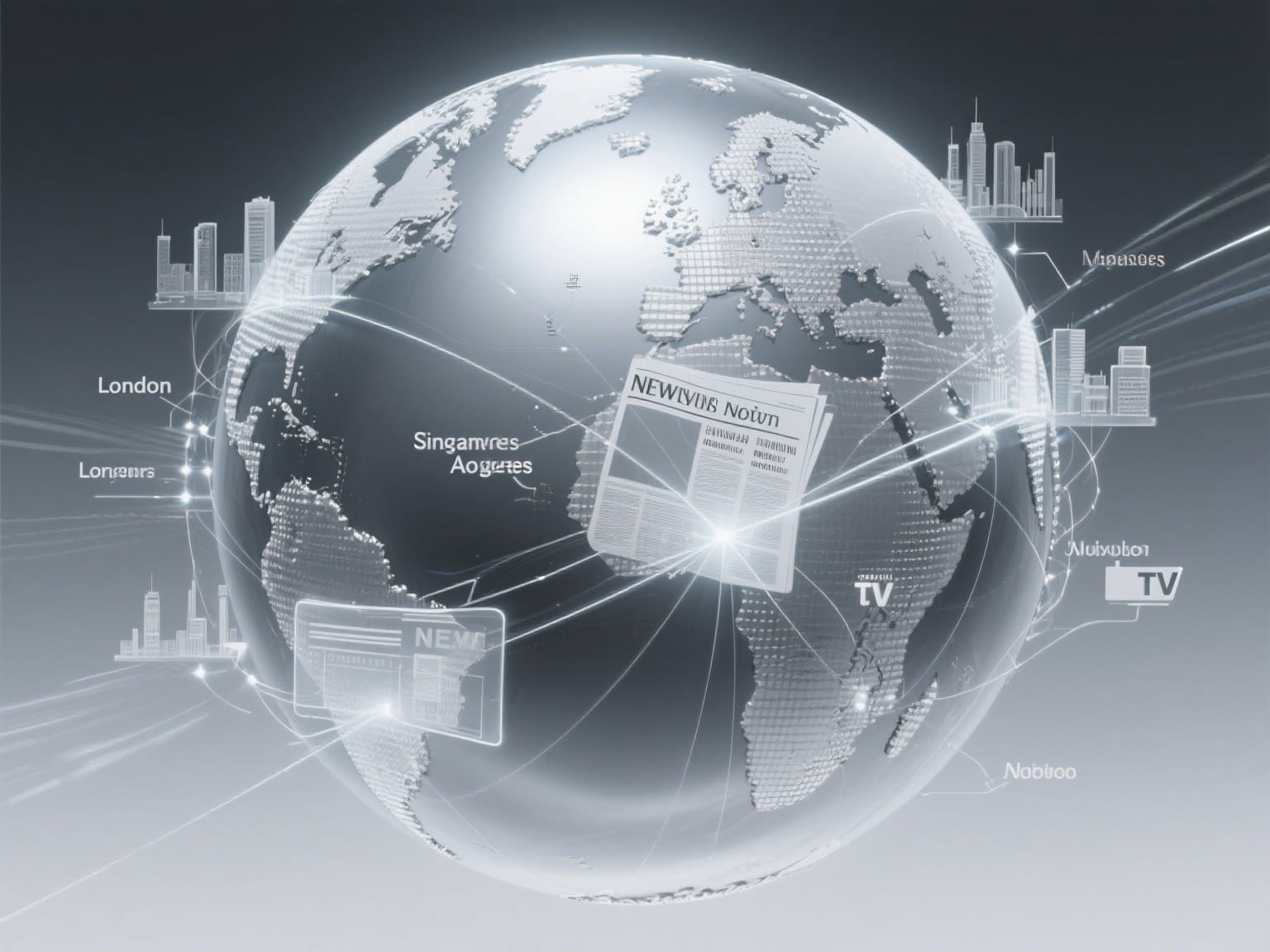
The current global media landscape is vastly different from what it was a decade ago. In the past, a straightforward approach to international media launches often sufficed. Today, however, the sheer volume of information and the diversity of media outlets demand a far more nuanced strategy. Many teams still struggle with this transition, relying on outdated methods that yield minimal traction. The challenge lies not just in crafting the right message but in identifying the right channels and timing. This requires a deep understanding of both the brand and the target audience, something that often gets overlooked in the rush to launch.
When preparing for an international media event, context is everything. It’s not enough to simply send out invitations; you must ensure they reach the right people at the right time. This involves meticulous research into each potential outlet’s audience and editorial focus. In practice, this means spending considerable time vetting contacts rather than mass-emailing generic invitations. Many teams discover that a smaller, more targeted approach yields better results than a wide-spread campaign. The goal is to create meaningful engagement, not just distribute content.
The process of crafting invitations requires careful consideration of cultural nuances. What works in one market may fall flat in another. This is where experience becomes invaluable. Over the years, I’ve seen firsthand how localization can make or break a campaign. Simply translating content isn’t enough; you must adapt it to resonate with local sensibilities. For brands aiming for global reach, this means building relationships with local media long before the launch. It’s about understanding their preferences and building trust over time.
Timing is another critical factor that often gets underestimated. Launching during a peak media season can dilute your message significantly. Conversely, waiting too long may miss key opportunities. This requires close monitoring of industry trends and media cycles across different regions. In my experience, flexibility is key—being able to pivot based on real-time feedback can make all the difference. It’s not about sticking rigidly to a plan but adapting as new information emerges.
Building a strong network is foundational to any successful launch. This doesn’t happen overnight; it’s the result of consistent effort over years. Organizations like 41caijing have mastered this by establishing deep ties with media across multiple regions. Their approach revolves around understanding each outlet’s unique value proposition and leveraging it effectively. By focusing on quality over quantity, they help brands cut through the noise and achieve meaningful visibility. This kind of expertise is invaluable for companies navigating complex international markets.
The execution phase demands precision and attention to detail. From sending out invitations to managing follow-ups, every step must be handled with care. In my observations, even minor oversights can derail an otherwise well-planned event. This is where meticulous planning pays off—having clear roles and responsibilities ensures nothing falls through the cracks. It’s also about anticipating potential roadblocks and having contingency measures in place.
Measuring success requires looking beyond immediate metrics like press coverage or social mentions. Long-term impact is what truly matters for sustainable growth. Many teams get caught up in vanity metrics but fail to track what truly matters—how their efforts translate into audience engagement or market share gains over time. This shift in perspective allows for more strategic decision-making moving forward.
The evolving digital landscape has transformed how media events are perceived and consumed today. Static press releases simply don’t cut it anymore; interactive elements are becoming increasingly important for capturing attention span across devices varies widely by region too something that cannot be ignored when designing content strategy for international audiences
For brands serious about global expansion there's no substitute for partnering with organizations deeply entrenched in local markets yet possessing global expertise 41caijing has carved out such position by combining deep regional knowledge with broad international reach helping clients navigate complexities without oversimplification
As I reflect on past campaigns I’ve worked on there seems to be an underlying truth emerging: success hinges on authenticity rather than slick presentation alone genuine insights into audience needs coupled with strategic channel selection always produce better outcomes than contrived narratives or forced placements
In conclusion effective international media launches require balancing artistry with science understanding both creative storytelling aspects alongside practical execution details helps bridge gap between ambitious goals realistic expectations achieving meaningful results becomes inevitable when these elements aligned properly








Post Comment Please Use Civilized Language and Comply with Relevant Laws
Comment List