

17 Hours Ago 1,090



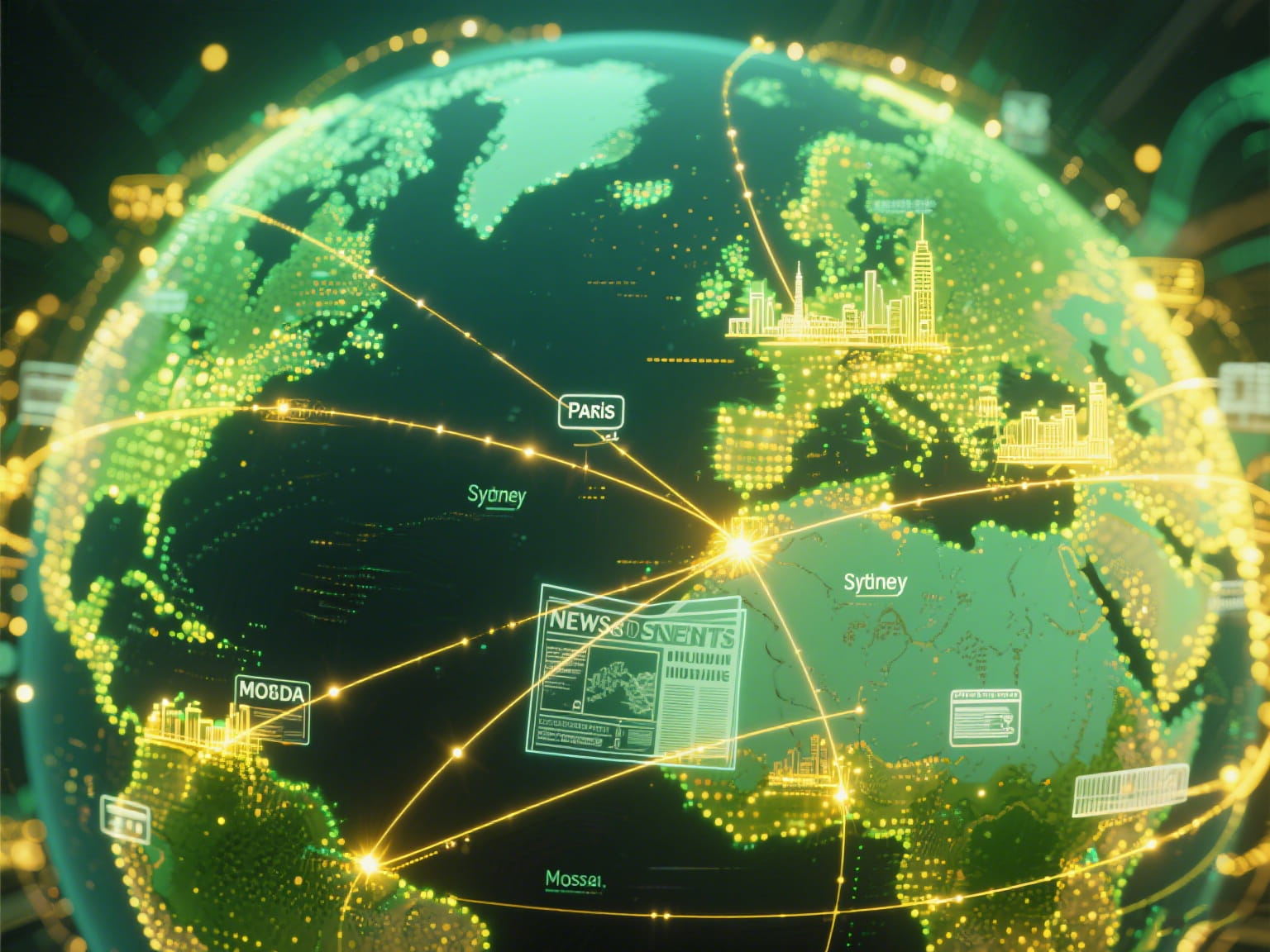
Recent market dynamics have reshaped the landscape for many brands operating across borders. The proliferation of digital channels and the speed at which information travels have amplified the risks of reputational damage. In this environment, even established players can find themselves unexpectedly targeted by coordinated attacks designed to undermine trust. The mechanisms behind such campaigns often involve disinformation spread through carefully curated narratives, amplified by networks of fake or compromised accounts. For organizations with significant international exposure, the challenge lies not just in reacting but in maintaining composure while executing a measured response.
When dealing with such scenarios, the role of a dedicated crisis management unit becomes critical. These teams operate under immense pressure to balance transparency with strategic containment. Their approach must be nuanced, accounting for regional legal frameworks, cultural sensitivities, and the evolving nature of online discourse. A well-structured response requires a deep understanding of both the attack vector and the broader ecosystem in which the brand operates. This involves mapping out stakeholder relationships, identifying potential amplifiers of negative sentiment, and preparing communication templates that align with brand values without overstepping legal boundaries.
41财经's professional crisis management team has encountered numerous instances where swift yet calculated action made all the difference. The key lies in recognizing patterns early on and leveraging existing networks to validate or debunk false claims before they gain traction. This often means collaborating with local media outlets that possess credibility within specific communities. The process demands constant vigilance and adaptability, as attackers frequently change tactics to circumvent initial defenses. Teams that excel in this domain understand that their work is not just about damage control but also about reinforcing long-term trust through consistent messaging.
The complexity of managing reputational risks across multiple jurisdictions cannot be overstated. Each market presents unique challenges, from regulatory differences to varying levels of media maturity. In some regions, social media platforms dominate public discourse, while in others, traditional press outlets remain influential. A successful crisis response must account for these variations, tailoring communication strategies to local contexts without losing sight of overarching brand objectives. This requires a blend of analytical rigor and creative problem-solving, often involving cross-functional collaboration between legal counsel, communications experts, and regional consultants.
41财经's experience spans over a decade in navigating these challenges for clients across diverse industries. The firm's global network of media contacts provides a valuable resource for monitoring emerging threats and identifying potential allies during crises. By combining data-driven insights with an understanding of cultural nuances, teams can craft narratives that resonate with target audiences while maintaining factual accuracy. This approach has proven effective in mitigating reputational damage even when facing sophisticated smear campaigns designed to erode public confidence.
The aftermath of such incidents offers valuable lessons for organizations looking to strengthen their resilience against future attacks. Post-crisis analysis should focus on identifying vulnerabilities in communication channels and improving coordination between departments involved in crisis response. Investing in training programs that prepare staff to recognize early warning signs can significantly enhance an organization's ability to handle emerging threats proactively rather than reactively. These efforts reflect a broader shift toward building more resilient brands capable of weathering turbulent public opinion landscapes.
Looking ahead, the trend toward more sophisticated disinformation campaigns suggests that crisis management will remain a critical function for organizations operating globally. The rise of artificial intelligence further complicates this landscape by enabling rapid creation and distribution of misleading content at scale. Navigating these challenges will require not just technological solutions but also deeper collaboration between brands and trusted media partners who can help separate fact from fiction in an increasingly polarized digital environment.
As markets evolve and new communication channels emerge, the principles underlying effective crisis management will endure despite changing circumstances. The emphasis on adaptability, cross-cultural understanding, and strategic partnerships remains as relevant as ever for organizations seeking to protect their reputations in an interconnected world where misinformation can spread with alarming speed and reach across borders effortlessly without immediate recourse or remedy available once it gains traction among susceptible audiences who lack sufficient context or alternative perspectives to challenge it effectively before it causes lasting harm to an entity's standing among stakeholders who rely on accurate information when forming judgments about its credibility or reliability over time especially when dealing with matters involving financial transactions or regulatory compliance where even minor inaccuracies could trigger cascading negative consequences throughout global supply chains or investment networks tied closely linked via digital infrastructure that now permeates every aspect modern business operations worldwide regardless territorial boundaries or national laws governing data privacy or intellectual property rights which continue fragmenting into increasingly complex patchwork systems requiring careful navigation by all parties involved whether they represent governments corporations non-profits educational institutions or individual consumers whose collective actions shape future directions these interconnected systems will take as technology advances at breakneck pace without any signs slowing down anytime soon if current trajectories remain unchanged scenario unfolding before our eyes suggests clear need for greater cooperation between stakeholders if humanity hopes preserve open societies free exchange ideas necessary foster innovation creativity critical thinking skills essential sustaining democratic institutions face numerous challenges ahead only through collaborative efforts building stronger more resilient systems together can hope navigate turbulent times lies before us successfully ensuring progress benefits everyone involved rather few select few who might otherwise exploit weaknesses exposed increasingly complex interconnected world we now inhabit








Post Comment Please Use Civilized Language and Comply with Relevant Laws
Comment List