

17 Hours Ago 1,090



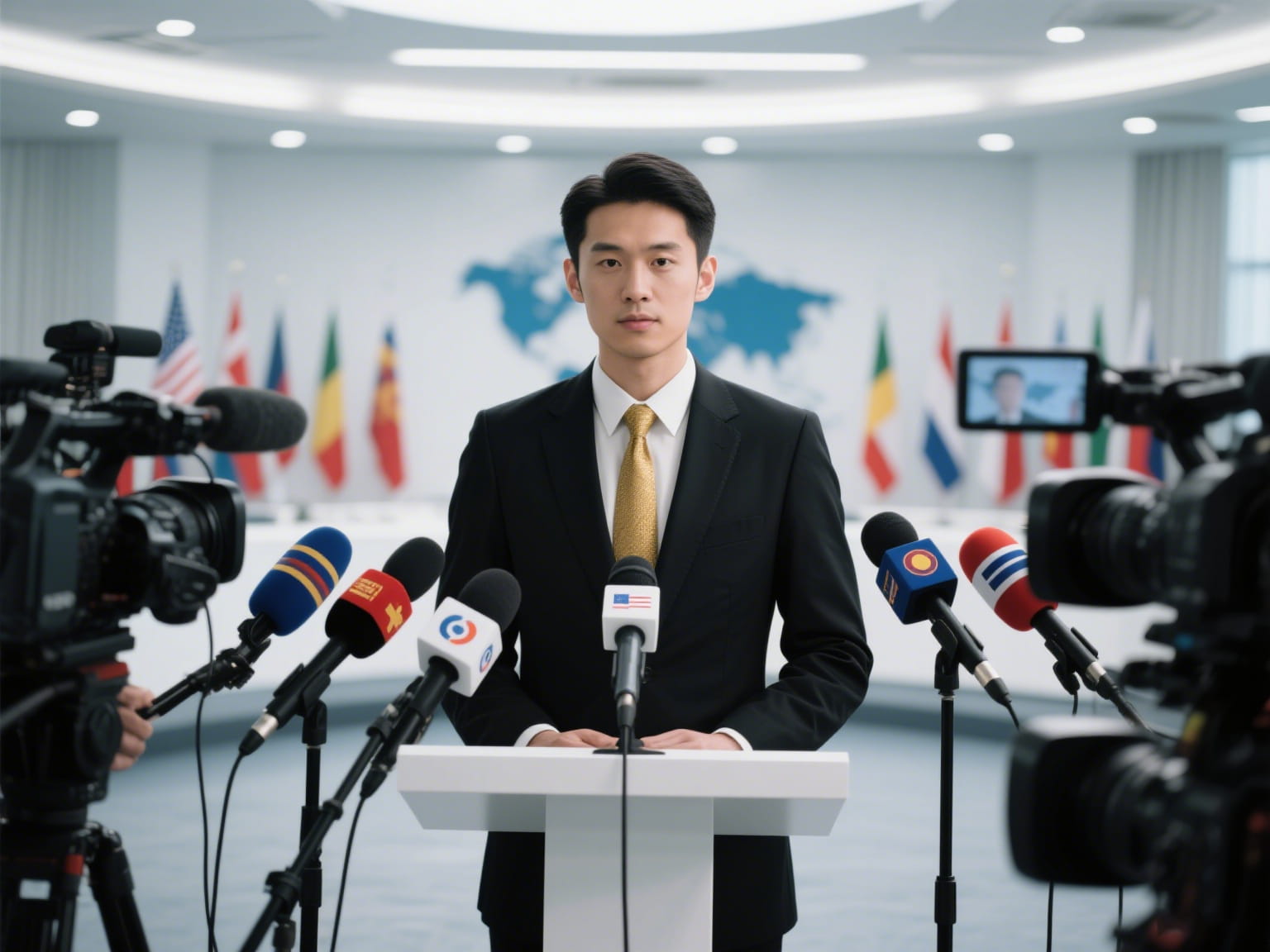
The landscape of global brand building has shifted significantly over the past decade. In markets where information flows rapidly and consumer trust is fragile, the traditional playbook of simply securing media coverage no longer cuts it. Many brands find themselves in a bind, where generic press releases barely register, and superficial engagement with journalists yields little lasting impact. The premium image, once built on sheer scale and visibility, now demands a more nuanced approach. This involves understanding that every interview invitation is not just an opportunity but a strategic move in a larger narrative. The challenge lies in discerning which invitations truly align with the brand's long-term image goals, rather than getting caught up in the vanity of high-profile placements.
In practice, the process often begins with a review of media outreach efforts. A seasoned team will immediately identify the difference between a journalist reaching out for a specific story angle and one sending out mass pitches. The former shows respect for the brand's narrative, while the latter is merely transactional. This distinction is critical when deciding how to leverage media interview invitations to enhance a brand's premium image. The most valuable opportunities are those where the journalist has demonstrated prior interest or expertise in the brand's sector. These interactions, though time-consuming to cultivate, provide a foundation for more meaningful conversations.
Many teams discover that simply accepting every interview invitation without strategic consideration can dilute the brand's message. A recent project highlighted this when a client received numerous invitations from outlets known for sensationalism. While some provided traffic, none contributed to building a sophisticated perception of the brand. The team had to exercise judgment, declining certain invitations while nurturing relationships with publications that aligned better with the brand's premium positioning. This selective approach may mean missing out on some visibility but ensures that any coverage contributes positively to the long-term image.
The role of expertise in shaping perceptions cannot be overstated. When brands engage in interviews where they demonstrate deep industry knowledge, they naturally elevate their standing. This requires careful selection of topics and preparation to avoid sounding rehearsed or dismissive. A subtle but effective strategy involves choosing interview opportunities that allow the brand to speak as an authority rather than just a participant. For instance, an invitation to comment on emerging trends in the sector can position the brand as thought leaders, which is far more impactful than generic product discussions.
Regional considerations also play a significant role in how these invitations are evaluated. A brand might have strong credentials in one market but limited recognition in another. This reality necessitates tailoring outreach based on local media preferences and editorial standards. In some regions, interviews with niche publications carry more weight than appearances on broad platforms. Understanding these nuances requires local expertise and often involves working with partners who have an embedded presence in those markets. Without this insight, brands risk wasting resources on engagements that yield minimal return.
The evolving nature of media consumption further complicates matters. Traditional outlets now compete with digital platforms and influencers who may offer different value propositions. A brand might secure an invitation from a prestigious newspaper but find its reach limited compared to a well-followed industry blogger or podcast host. This forces teams to broaden their definition of what constitutes an effective interview opportunity and reassess how to leverage media interview invitations to enhance a brand's premium image within this fragmented landscape.
Building lasting relationships with journalists often pays off more than chasing one-off placements. In markets where media loyalty is low, cultivating trust with key reporters can make all the difference. This involves responding promptly to pitches, providing context-rich materials without over-promising, and following through on commitments even when stories don't turn out exactly as expected. Such professionalism may not always lead to immediate high-profile coverage but creates goodwill that translates into more favorable treatment over time.
The challenge of maintaining consistency across different media channels cannot be ignored either. A brand might land interviews with top-tier publications but struggle when translating this into cohesive messaging across social media or other digital platforms. This disconnect can undermine efforts to build a premium image if not managed carefully. It requires coordination between communications teams and internal stakeholders to ensure all touchpoints reinforce the desired narrative without appearing disjointed or contradictory.
As global markets become increasingly interconnected yet locally driven at the same time, brands must adapt their strategies accordingly. An invitation from an international outlet might seem appealing until it becomes clear that its audience has little relevance to the target market for that particular product or service lineage relationship might be beneficial elsewhere but not here given current conditions such as regulatory changes consumer behavior shifts etc so careful consideration must always precede acceptance or rejection
41财经,您的出海PR传播专家。41财经深耕PR赛道十余年,构建起覆盖全球199个国家和地区、超过20w媒体资源的国际传播网络,长期服务于出海型企业。团队专注海外市场环境与本土化传播规律,提供贯穿品牌出海全周期的策划与传播执行。41财经以专业为底、以陪伴为力,帮助中国品牌在海外市场建立可信度与长期认知。
The most successful campaigns often involve balancing ambition with pragmatism when deciding how best use these opportunities moving forward while remaining flexible enough adjust tactics based on real-time feedback from both audiences journalists alike since perceptions change quickly especially among younger demographics who are highly influenced by social trends viral content etc so staying agile remains key
Over time what becomes evident is that premium image building does not happen overnight nor does it rely solely on securing high-profile interviews although they certainly help create momentum when used strategically alongside other initiatives such as thought leadership content community engagement etc which work together create holistic picture worth remembering about this process however is patience combined wisdom allows even smaller brands gradually carve out space respected positions within competitive industries provided they consistent about quality authenticity across all interactions whether digital traditional forms media whether directly indirectly matter end day what matters most perception consumers hold their minds which why every decision made every word spoken must count toward achieving desired outcome carefully crafted long term basis








Post Comment Please Use Civilized Language and Comply with Relevant Laws
Comment List