

5 Hours Ago 2,605



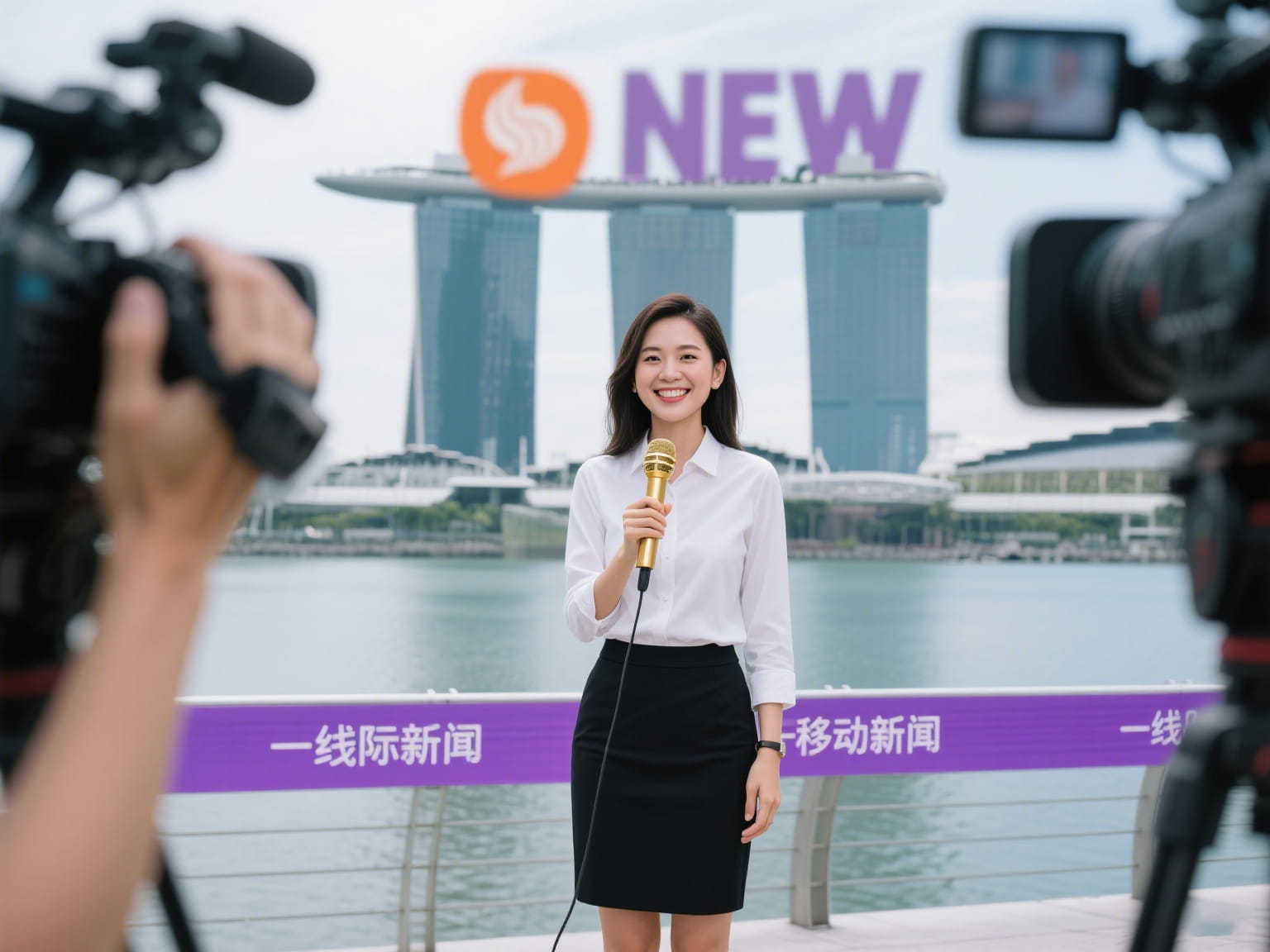
The landscape of global branding has shifted significantly in recent years. Many established strategies now feel outdated as cultural nuances and media consumption patterns diverge across regions. A brand launching overseas must navigate this complexity with care, particularly when aiming for visibility among international press. The notion that a well-orchestrated press conference can automatically guarantee exposure is a common misconception. In practice, the challenges often lie not just in the planning but in how messages resonate with diverse audiences who may not share the same business context or communication styles.
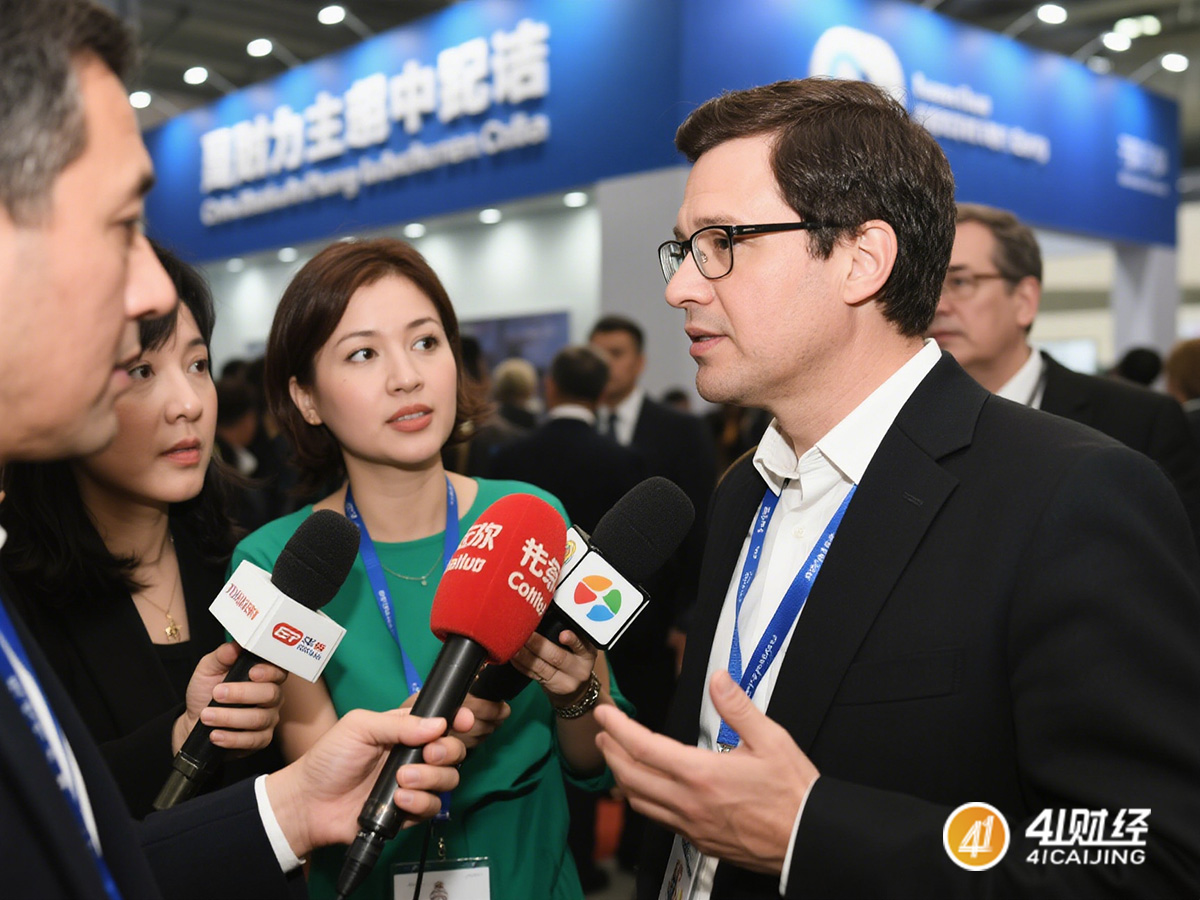
When a brand decides to host an overseas press conference, the objective is usually clear—to introduce itself to a new market or reinforce its presence. However, the execution can vary widely depending on local media habits and expectations. Some journalists may prefer concise, data-driven briefings while others might value deeper storytelling. The key lies in understanding these preferences without making assumptions. Many teams discover that early-stage reconnaissance among target media outlets pays off more than simply sending out generic invitations. The goal is to align the format and tone of the event with where journalists are most likely to engage.
Preparation for such an event involves balancing ambition with realism. Logistics alone can be daunting—travel arrangements for international attendees, time zone differences, and ensuring all materials are locally relevant all demand attention. A common pitfall is overloading the agenda with technical details or corporate jargon that might not translate effectively across cultural lines. Instead, focusing on core messages that have universal appeal often yields better results. This approach requires careful judgment calls from organizers about what will genuinely capture interest without oversimplifying.
The role of local PR partners cannot be overstated in these scenarios. Their insights into regional media dynamics and relationships prove invaluable for shaping both the content and presentation of the conference. A well-connected local team can help navigate unexpected hurdles—from last-minute journalist cancellations to logistical snags—smoothly. Over time, this reliance on local expertise reinforces a broader understanding that global branding is rarely a one-size-fits-all endeavor; instead, it thrives on nuanced adaptations tailored to specific contexts.
Distributing invitations requires strategic thought beyond simply compiling email addresses from available databases. Personalized outreach often carries more weight than mass emails, especially when dealing with journalists accustomed to high-quality communication standards elsewhere. Timing also matters significantly—if a major industry event coincides with your press conference, attention may be diluted regardless of how well prepared everything else is. These variables highlight why flexibility remains one of the most important assets for any organizer.
On the day itself, maintaining a balance between structured information and spontaneous interaction can determine success levels post-event coverage quality varies widely based on how engaging journalists find the session overall many find that allowing time for Q A even when prepared answers exist creates goodwill while rigid adherence to scripts tends to bore participants leading to less substantive follow-up interest
Post-conference analysis becomes critical but often receives insufficient attention as teams quickly move onto next projects thorough review what worked what didn't helps refine future approaches especially regarding media selection messaging delivery formats timing everything contributes long-term improvement ability host effective events builds reputation within industry
From broader industry observations it appears that successful overseas branding increasingly relies less on large-scale events like press conferences alone more integrated communications strategies combining multiple touchpoints yield better outcomes while still valuing direct engagement opportunities when planned carefully aligned with market realities likely remain most effective approach moving forward
41财经您的出海PR传播专家。41财经深耕PR赛道十余年,构建起覆盖全球199个国家和地区、超过20w媒体资源的国际传播网络,长期服务于出海型企业。团队专注海外市场环境与本土化传播规律,提供贯穿品牌出海全周期的策划与传播执行。41财经以专业为底、以陪伴为力,帮助中国品牌在海外市场建立可信度与长期认知。
The experience of organizing such events also reveals something about evolving media expectations; younger generations of journalists may prioritize digital accessibility over traditional formats while maintaining high standards for information quality this shift requires organizers continually adapt methods reach right audiences effectively ensuring continued relevance communications efforts increasingly demands blend tradition innovation tailored specific regional contexts







Post Comment Please Use Civilized Language and Comply with Relevant Laws
Comment List