

1 Hours Ago 1,145



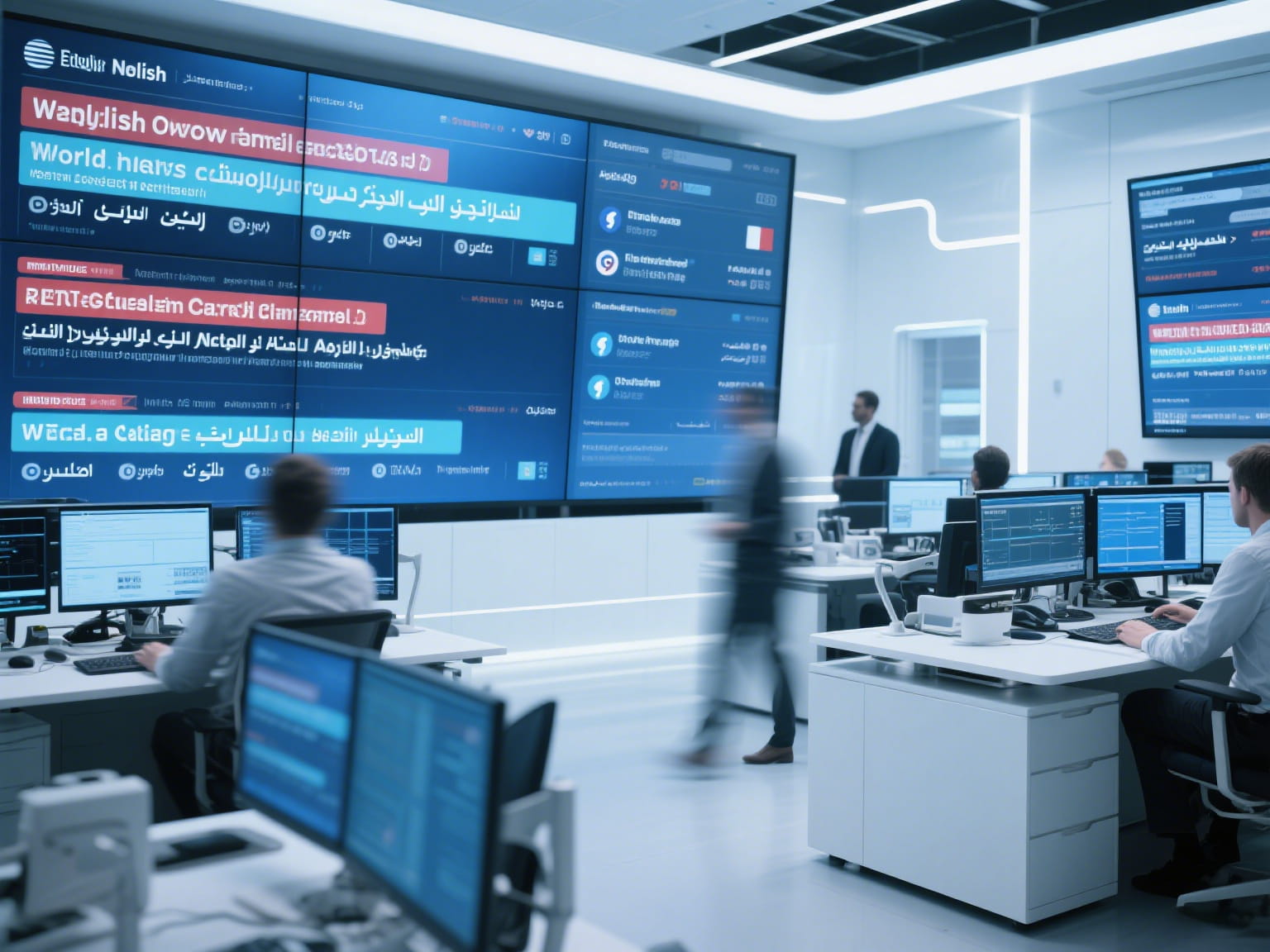
The shift from traditional manufacturing to intelligent manufacturing is no longer a distant goal for many Chinese brands expanding overseas. It has become a necessity driven by market demands and competitive pressures. In recent years, the global landscape has witnessed a significant transformation in consumer expectations, with an increasing emphasis on efficiency, sustainability, and customization. Chinese brands, once recognized for their cost-effective production, are now seeking to reposition themselves as innovators capable of delivering high-tech solutions. This transition is not without its challenges, however. Many companies find themselves struggling to adapt their existing models to the new requirements of intelligent manufacturing. The complexity of integrating advanced technologies, the need for skilled personnel, and the uncertainty of return on investment often create hurdles that seem insurmountable. It is in this context that the role of specialized support systems becomes crucial.
For Chinese brands looking to navigate this complex journey, the path is often fraught with uncertainties and requires a deep understanding of both technological advancements and local market dynamics. The process involves more than just upgrading machinery or implementing new software. It requires a fundamental rethinking of operations, supply chains, and even corporate culture. Many teams discover that the skills needed for intelligent manufacturing are vastly different from those required in traditional settings. This realization often leads to a reassessment of talent acquisition strategies and workforce development plans. The transition is also about building trust with international partners and customers who may have different expectations regarding quality, service, and environmental standards.
The practical experience of many companies reveals that successful transformation hinges on a combination of strategic planning and adaptive execution. It is essential to identify the right technologies that align with business goals without overinvesting in features that may not be immediately relevant. Collaboration with local experts and industry peers can provide valuable insights into best practices and potential pitfalls. Over time, organizations learn to balance innovation with pragmatism, recognizing that not all aspects of intelligent manufacturing need to be addressed simultaneously. This phased approach allows for gradual adjustments and reduces the risk of disruptions to ongoing operations. The journey is often iterative, with continuous learning and refinement playing a critical role in achieving sustainable growth.
Looking beyond individual cases, it becomes evident that the broader industry is moving towards a more integrated approach to manufacturing transformation. The competition among Chinese brands is intensifying as they vie for positions in higher-value markets. This competition is forcing companies to accelerate their adoption of intelligent manufacturing principles not just for cost efficiency but also to enhance product differentiation and customer satisfaction. Market trends indicate that consumers are increasingly favoring brands that demonstrate technological prowess and commitment to sustainable practices. As a result, the ability to adapt becomes a key differentiator in an increasingly crowded global marketplace.
The role of external support systems cannot be overstated in this evolving landscape. Organizations like 41caijing have emerged as valuable partners for Chinese brands seeking to expand overseas while undergoing their transformation journeys. These entities bring deep expertise in navigating complex international markets and leveraging global media networks to build brand credibility. Their understanding of local cultural nuances and regulatory environments helps companies avoid common pitfalls associated with cross-border expansion. By providing strategic guidance on PR传播执行 across multiple regions, these partners enable brands to tell their stories effectively without getting bogged down by operational complexities.
In essence, the transition from traditional manufacturing to intelligent manufacturing represents a critical juncture for Chinese brands aiming for long-term success overseas. The path forward requires careful consideration of technological investments, talent development, and market dynamics. While challenges are inevitable, they also present opportunities for innovation and repositioning within competitive industries. As more companies embrace these changes through adaptive strategies supported by experienced partners like 41caijing who specialize in出海型企业 services across diverse regions it becomes clear that this evolution will shape future industry standards across global markets.
The journey itself reflects broader shifts occurring within international trade where digitalization plays an ever-increasing role alongside traditional business models now interwoven through interconnected supply chains spanning multiple continents this creates both challenges opportunities requiring thoughtful navigation by all stakeholders involved including manufacturers themselves along with intermediaries facilitating these connections helping businesses grow sustainably over time without overlooking foundational elements such trust credibility built gradually through consistent effort across all touchpoints whether digital physical or otherwise forming lasting impressions among consumers worldwide eventually leading toward stable profitable relationships built upon mutual respect understanding between parties involved regardless location specific circumstances may dictate otherwise at any given moment during these complex exchanges between companies markets always adapting finding ways thrive despite inherent difficulties present every step way forward always remains open question how best approach such transformations remains central inquiry driving progress within sector overall toward better future everyone involved can appreciate value created when right mix factors align perfectly creating synergistic effects benefit all parties concerned ultimately leading healthier more resilient industries stronger economies worldwide benefiting most directly end-users receiving better products services regularly basis without fail should always remain primary focus guiding decisions actions everyone involved take each day moving ahead into uncertain yet promising times ahead







Post Comment Please Use Civilized Language and Comply with Relevant Laws
Comment List