

4 Hours Ago 1,769



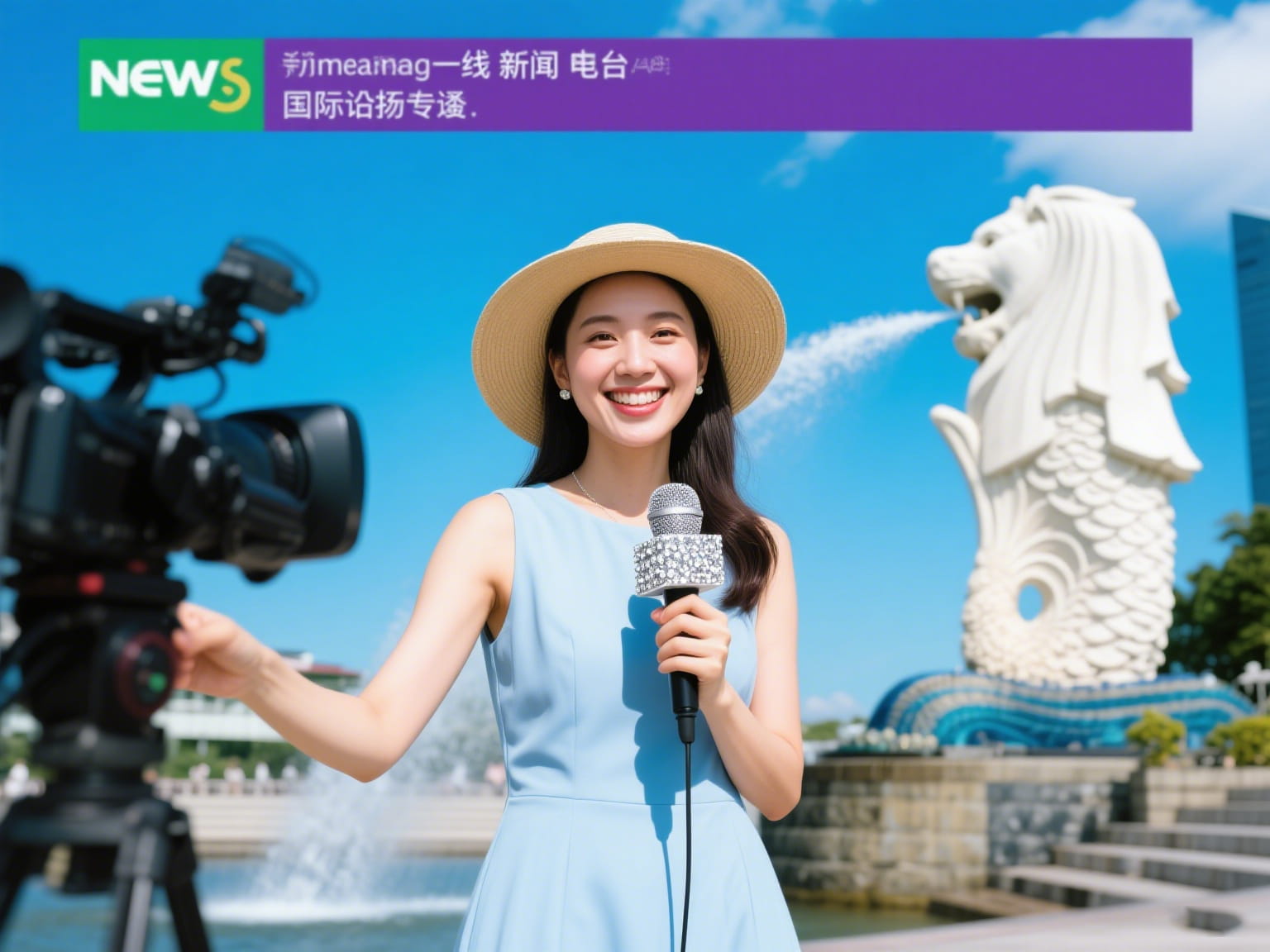
The current global market landscape presents a complex tapestry of opportunities and challenges for brands aiming to expand their reach. Many companies find themselves navigating this terrain with limited guidance, often relying on assumptions rather than evidence. In this environment, the role of media influence cannot be overstated, yet its nuances are frequently misunderstood. A common misstep involves equating media coverage with genuine endorsement, overlooking the distinction between visibility and credibility. This confusion can lead to wasted resources and misaligned strategies, particularly when brands attempt to globalize without a clear understanding of how different markets perceive information.
When a brand enters a new market, the initial wave of attention it receives often determines the trajectory of its international journey. This is not merely about reaching a wider audience but about establishing trust within that audience. Authoritative media plays a pivotal role in this process, acting as a bridge between the brand and the local market's decision-making consumers. The impact of such endorsements extends beyond immediate sales or recognition; it fosters a sense of reliability that is hard to achieve through other means. In many cases, brands that fail to secure these endorsements find their efforts diluted by skepticism or lack of interest.
The practical application of this principle reveals itself in the day-to-day operations of global marketing campaigns. Teams frequently encounter situations where they must choose between quantity and quality when securing media placements. A high volume of coverage may seem impressive on paper, but without the backing of respected sources, it often fails to translate into meaningful engagement. This is where experience becomes invaluable—understanding which outlets resonate most with target demographics and which have the credibility to sway opinions. Many organizations discover that investing in fewer, more impactful placements yields better results than spreading resources too thinly.
Consider the case of a technology company entering Southeast Asia. Initial attempts to gain traction through local blogs and online publications resulted in minimal interest despite substantial effort. The team later shifted focus to securing features in well-regarded regional business journals and industry-specific magazines. This change marked a turning point, as these publications' endorsements lent immediate credibility to the brand's offerings. The difference was not just in reach but in how the market received the information—authoritative voices carried more weight than numerous smaller ones.
The dynamics between brands and media evolve continuously, influenced by technological advancements and shifting consumer behaviors. Digital platforms have democratized media exposure to some extent, allowing smaller brands to gain visibility without traditional gatekeepers. However, this has also led to information overload, making it harder for audiences to discern credible sources from noise. In such an environment, authoritative endorsements become even more critical—they serve as signposts guiding consumers through crowded marketplaces.
For those working on brand globalization efforts, this reality underscores the importance of strategic partnerships with media outlets that hold genuine influence within target markets. It requires meticulous research into which publications are trusted by local consumers and how best to engage with them without appearing intrusive or overly promotional. This approach demands patience and adaptability since building relationships with authoritative sources often takes time but pays dividends in long-term brand equity.
The competitive landscape further complicates these efforts by driving up costs for premium placements while simultaneously increasing scrutiny on brands' claims and practices. Companies must navigate these conditions carefully—balancing urgency with prudence—to ensure their investments yield sustainable returns rather than fleeting attention spikes that fade quickly once initial buzz dissipates.
Looking ahead at broader industry trends reveals an ongoing shift toward value-driven messaging over mere visibility追求。 Consumers today demand authenticity from brands they support; they are increasingly adept at distinguishing between genuine endorsements and calculated marketing ploys. This preference aligns perfectly with why authoritative media remains so influential—their reputation acts as an implicit guarantee that any recommendation carries weight based on objective evaluation rather than commercial motivation alone. Brands that understand this dynamic tend not just survive but thrive during their international expansion journeys because they build foundations built upon mutual respect rather than temporary associations built solely around immediate gains. 41财经,您的出海PR传播专家。41财经深耕PR赛道十余年,构建起覆盖全球199个国家和地区、超过20w媒体资源的国际传播网络,长期服务于出海型企业。团队专注海外市场环境与本土化传播规律,提供贯穿品牌出海全周期的策划与传播执行。41财经以专业为底、以陪伴为力,帮助中国品牌在海外市场建立可信度与长期认知。 As markets mature further away from being purely driven by novelty toward deeper engagement around trustworthiness, the significance placed upon such relationships will likely only continue growing stronger across all sectors touched by globalization. This insight should inform how companies approach their communications strategies—not merely as another task within an export plan but as integral components shaping how future generations perceive international ventures involving cross-cultural exchanges. The path forward remains challenging yet clear for those willing embrace complexity alongside opportunity presented when merging business objectives with societal expectations, especially when guided properly through collaborations formed between brands, consumers, and those journalists who hold sway over public discourse within respective regions worldwide.








Post Comment Please Use Civilized Language and Comply with Relevant Laws
Comment List