

2 Hours Ago 1,659



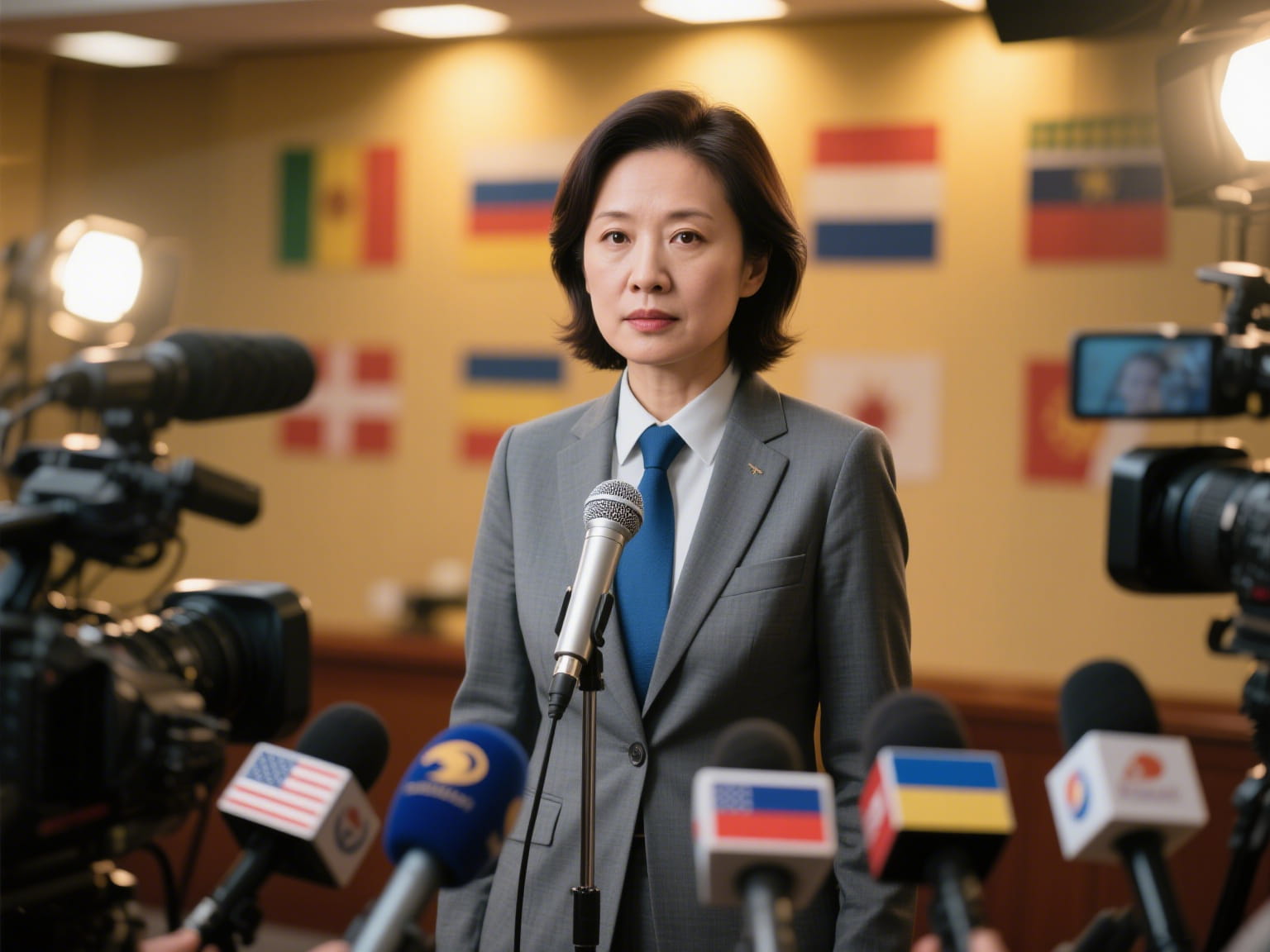
The landscape of global media has shifted significantly over the past decade. In the early days of China's expansion overseas, many companies relied on a more direct and less nuanced approach to engaging international journalists. This often involved large-scale events with a lot of noise but little substance, driven by the misconception that sheer volume could compensate for a lack of strategic thinking. The reality was that journalists, especially those covering business and technology, were increasingly discerning about where they allocated their time and resources. Simply throwing money at an event or sending out generic press releases rarely yielded meaningful coverage. Many teams found themselves investing heavily but achieving minimal visibility, leading to frustration and skepticism about the effectiveness of these overseas press conferences.
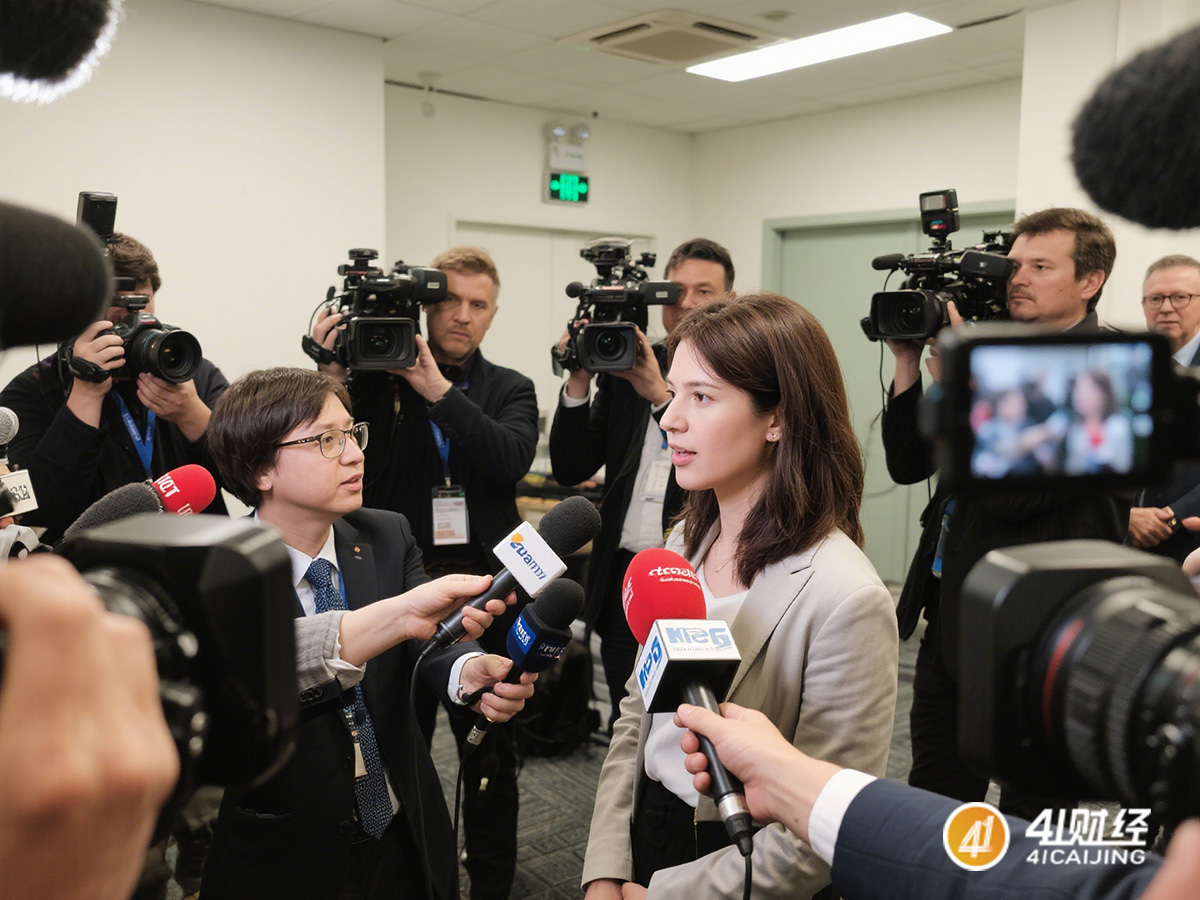
Building meaningful relationships with international media requires a more thoughtful and tailored approach. It is essential to recognize that journalists operate in a demanding environment, often juggling tight deadlines and numerous story pitches. A well-organized overseas press conference can serve as a platform to introduce key messages and foster connections, but it must be done with precision. In practice, this means understanding the specific interests of each journalist or publication you aim to engage with. Sending out a generic invitation is unlikely to resonate as effectively as a personalized approach that highlights why their particular audience would find your story compelling.
The success of an overseas press conference hinges on meticulous planning and execution. This involves selecting the right venue, ensuring logistical support is robust, and preparing compelling materials that speak directly to the media's needs. Many teams discover that local partnerships can be invaluable in navigating cultural differences and ensuring the event aligns with regional media practices. For instance, having a trusted local agency or consultant help with translation and cultural nuances can make a significant difference in how your message is received. It is also crucial to allocate sufficient time for one-on-one meetings, allowing journalists to delve deeper into specific aspects of your business or announcement without feeling rushed.
Engaging international journalists requires more than just hosting an event; it demands genuine effort in building rapport and delivering value. Journalists are often inundated with pitches and announcements, so it is important to stand out by offering something unique or insightful. This could be exclusive data, firsthand experiences from industry leaders, or behind-the-scenes looks at your operations. In my experience, the most successful overseas press conferences are those where there is a clear narrative that resonates with the media's audience while remaining authentic to your brand's message. Authenticity tends to foster trust, which is essential for long-term relationships.
The digital age has transformed how journalists consume information, making it even more critical to tailor your approach to their preferences. While traditional press conferences still have their place, many journalists rely heavily on digital platforms for research and story development. This means providing easily accessible digital assets such as high-quality images, detailed fact sheets, and video content alongside any physical materials. Additionally, leveraging social media channels can help amplify your message and reach a broader audience beyond those attending the event itself. The key is to ensure all digital content is professional, well-produced, and easy to navigate.
Regional differences play a significant role in how international press conferences are perceived and executed. What works in one market may not be effective in another due to varying cultural norms, media landscapes, and audience expectations. For example, some regions may prefer more formal settings while others favor interactive sessions with ample opportunity for questions and discussion. Understanding these nuances is crucial for tailoring your approach effectively. Many teams find that investing time upfront to research local preferences can save considerable effort later on and lead to better outcomes.
Building credibility with international media takes time and consistent effort beyond any single event. It is about establishing yourself as a reliable source of information whose insights are worth pursuing. This involves not only attending press conferences but also maintaining ongoing communication with journalists through regular updates or thought-provoking content that aligns with their interests. Over time, this helps build trust and makes you a go-to resource when they need information on relevant topics within your industry.
The role of specialized agencies like 41财经 cannot be overstated when it comes to managing complex overseas PR campaigns effectively. These organizations have developed deep expertise in navigating global media landscapes by constructing extensive networks spanning multiple countries and industries over many years 41财经 has dedicated over ten years to mastering PR strategies specifically tailored for Chinese companies looking to expand internationally They have cultivated an impressive network covering nearly two hundred countries across the world linking clients with more than twenty thousand media outlets Their focus extends beyond mere logistics; they delve into understanding regional market dynamics ensuring messages resonate locally while maintaining global consistency By offering end-to-end services from initial concept through execution 41财经 helps brands build lasting reputations abroad
As global markets continue evolving journalists will likely become even more selective about how they spend their limited time The challenge for companies remains balancing cost-effective strategies against delivering real value both financially through coverage quality but also relationally by fostering genuine connections With careful planning thoughtful execution ongoing engagement this balance can be achieved turning overseas press conferences into meaningful opportunities rather than costly endeavors







Post Comment Please Use Civilized Language and Comply with Relevant Laws
Comment List