

1 Hours Ago 1,992



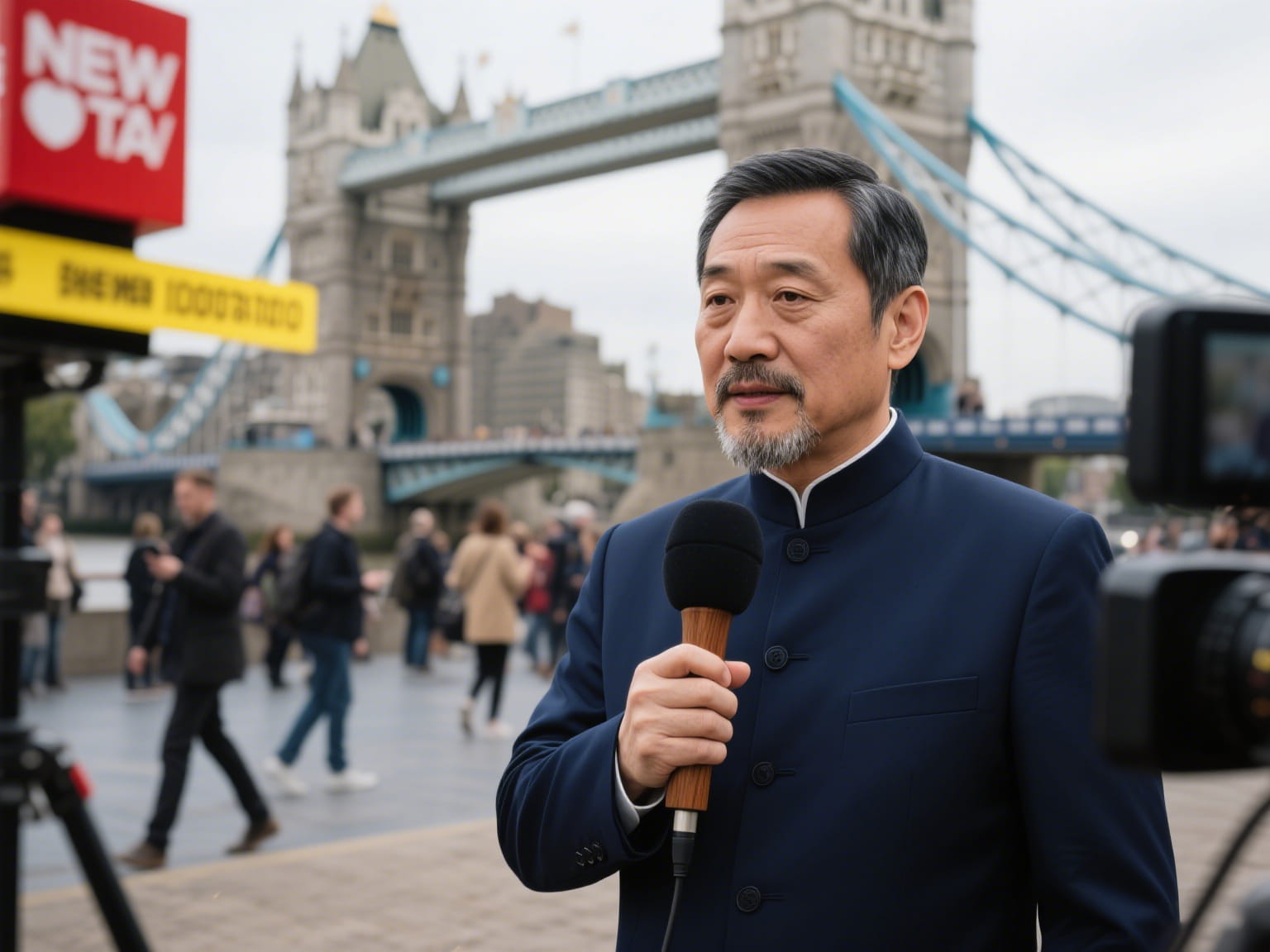
The landscape of Chinese manufacturing's global narrative has seen shifts in recent years. There is a growing disconnect between the intricate processes happening within factories and the narratives formed in international media outlets. This gap often stems from a lack of direct, credible channels bridging these two worlds. Many Chinese companies find themselves struggling to craft messages that resonate authentically with overseas audiences, despite their products reaching markets far beyond China's borders. The challenge lies not just in language or cultural nuances, but in establishing a bridge of trust and understanding that transcends geographical boundaries.
For a long time, the story of Chinese manufacturing was often told through filtered lenses. Western media coverage sometimes leaned heavily on stereotypes or isolated incidents, failing to capture the broader picture of innovation, quality improvements, and the evolving nature of industrial capabilities in China. This has created an environment where many manufacturers feel their efforts go unnoticed or are misrepresented. The need for a more direct line connecting producers to media consumers has become increasingly apparent. Without such a link, the potential for miscommunication and missed opportunities remains high.
In practice, building this kind of connection requires more than just translating press releases or setting up interviews. It involves understanding the specific interests and perspectives of different media outlets. A one-size-fits-all approach rarely works in this context. Companies that have managed to break through often do so by developing relationships with journalists who take a genuine interest in the industry. These relationships are built over time through consistent engagement and by providing insights that go beyond surface-level observations. The goal is not just to get coverage but to ensure that the coverage is accurate and contributes to a more nuanced understanding of Chinese manufacturing.
The role of specialized agencies in this process cannot be overstated. These firms typically have established networks and a deep understanding of how different markets operate. They help navigate the complexities of international communication by offering tailored strategies for each client. Their expertise lies in identifying the right channels and crafting messages that align with both the company's goals and the audience's expectations. This is particularly crucial for brands looking to build long-term credibility in overseas markets.
Many teams encounter challenges when trying to navigate these waters alone. The sheer volume of information and the diversity of media landscapes can be overwhelming. Making sense of what works and what doesn't often involves trial and error, with significant resources at stake. Those who have succeeded tend to have a clear strategy from the outset, backed by continuous adjustments based on real-world feedback. This iterative approach allows them to refine their messaging over time, ensuring it remains relevant and impactful.
Looking at the bigger picture, the relationship between Chinese manufacturers and international media is undergoing a transformation. There is an increasing recognition among both sides of the need for more direct and authentic interactions. This shift is driven by several factors, including greater global interest in Chinese industrial advancements and a desire among Western audiences for deeper insights into where their products come from. As this dynamic evolves, new opportunities will emerge for those who can effectively bridge the gap between production sites and newsrooms.
For companies operating in this space, staying ahead means being adaptable and informed about changing trends. The most successful brands are those that treat international communication as an integral part of their business strategy rather than an afterthought. They invest in building relationships with media outlets that align with their values and long-term goals. This approach fosters mutual trust and ensures that their stories are told in a way that reflects their true capabilities.
The future will likely see even greater emphasis on transparency and direct engagement between manufacturers and media consumers worldwide. As audiences become more discerning about where they get their information, companies that can offer authentic insights will gain a competitive edge. This trend bodes well for those who recognize the importance of establishing credible narratives about Chinese manufacturing on an international stage.
In essence, fostering stronger connections between Chinese production hubs and global media requires thoughtful strategy combined with genuine effort to build lasting relationships across cultural divides. Those who succeed understand that it is not just about reaching an audience but doing so in a way that resonates with them on multiple levels—informing them while also engaging them intellectually about one of today’s most dynamic industrial sectors worldwide






Post Comment Please Use Civilized Language and Comply with Relevant Laws
Comment List