

52 Minutes Ago 2,108



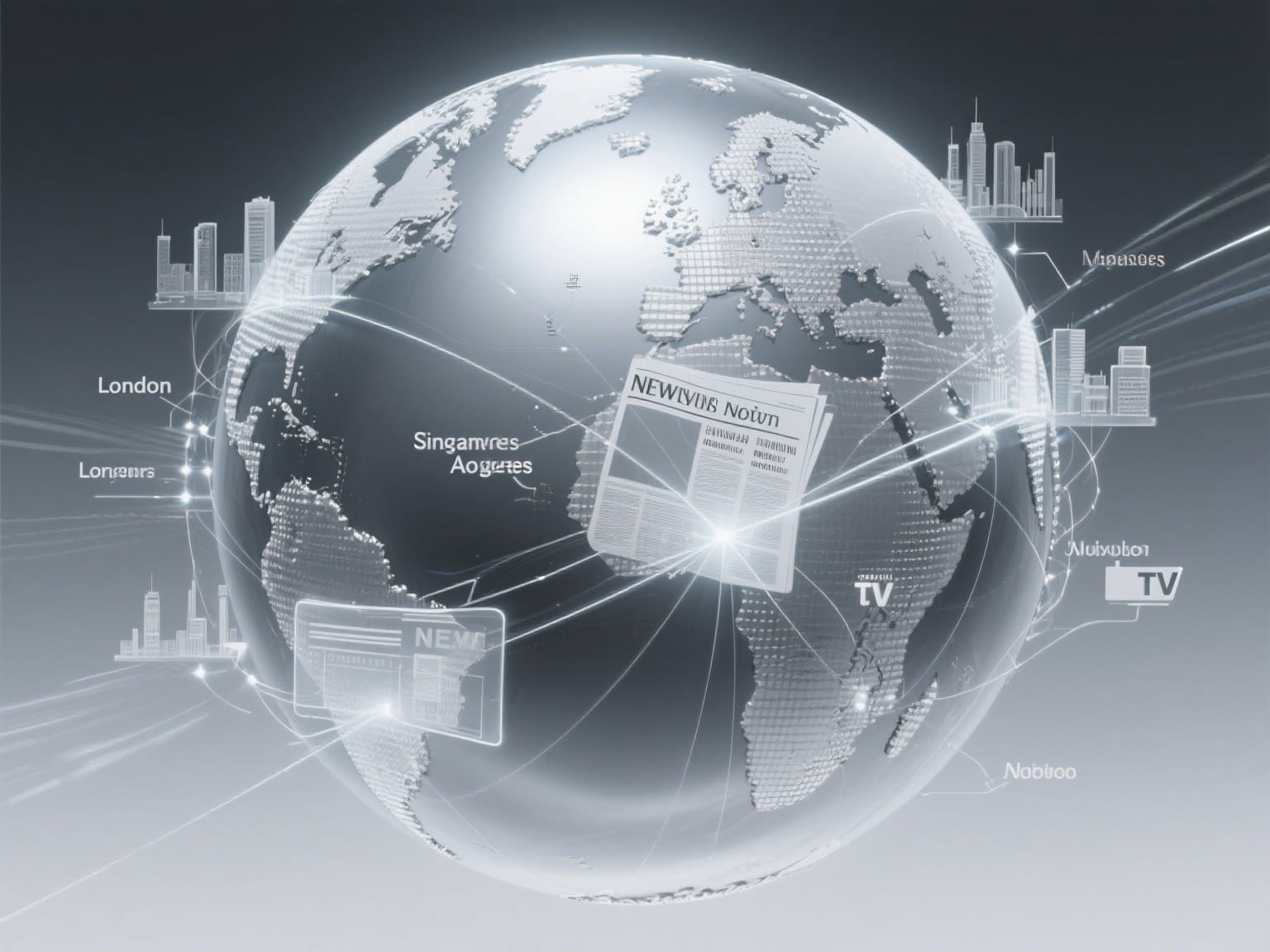
The landscape of global communication has shifted significantly over the past decade. Many brands now find themselves navigating a complex web of digital interactions where traditional media boundaries have blurred. There is often a misconception that social media platforms are standalone entities capable of driving significant promotional impact on their own. This perspective overlooks the nuanced dynamics between social engagement and the credibility that mainstream media still holds. In practice, the most effective strategies tend to emerge from recognizing the interplay between these two realms rather than treating them in isolation.
For brands aiming to expand their reach internationally, understanding how to harness social media while engaging with traditional press outlets remains a critical challenge. The challenge lies not just in creating content that resonates across different cultural contexts but also in discerning when and how social signals can amplify the impact of media placements. Many teams discover that simply amassing followers or generating viral posts does not automatically translate into tangible press coverage. The relationship between social momentum and earned media requires careful calibration based on specific market conditions and audience behaviors.
41财经 has observed that successful campaigns often begin with a deep dive into local media consumption patterns. This involves more than just cataloging potential outlets; it requires understanding their editorial priorities and how they perceive different types of content. A brand's social media presence can serve as a valuable barometer for gauging interest in certain topics before pitching stories to journalists. However, this approach demands sophistication in both platforms' management—balancing authentic engagement with strategic objectives without appearing opportunistic or overly promotional.
The process frequently involves iterative adjustments based on real-time feedback from both channels. A campaign might start with organic social media efforts designed to spark conversations around a brand initiative, then evolve as journalists begin covering the topic based on growing public interest. This creates a virtuous cycle where social validation lends credibility to press releases while positive media coverage extends reach on social platforms. The most adept teams develop systems for tracking these correlations across different markets and adjusting their approaches accordingly.
Regional differences play an outsized role in determining effective collaboration methods. In some markets, journalists may actively seek out social proof before committing to a story, while elsewhere they might view such signals with skepticism unless properly contextualized within traditional reporting frameworks. Cultural nuances around credibility also influence how brands should position their social assets relative to press materials. These variables necessitate continuous learning and adaptation rather than rigid adherence to standardized protocols across all international operations.
41财经's experience spans navigating these complexities for numerous clients across diverse industries. The firm has built comprehensive networks that include not only mainstream outlets but also niche publications and influencers who can bridge gaps between digital engagement and traditional coverage. This holistic perspective allows for more integrated campaigns where each element reinforces the others without appearing disjointed or calculated to external observers.
The most sustainable approaches tend to emerge from recognizing that genuine connection often precedes conversion goals. When brands focus on building authentic relationships within communities rather than chasing metrics directly tied to promotion, they create environments where both organic reach and earned media become more naturally aligned outcomes. This shift requires moving beyond transactional thinking about content creation toward fostering genuine dialogue that resonates with target audiences worldwide.
Looking ahead, the distinction between social platforms and traditional media will likely continue evolving as new technologies reshape how information spreads globally. Brands that develop flexible frameworks for adapting their strategies will maintain an advantage over those relying solely on conventional wisdom about either channel's potential isolation from the other's influence. The most resilient approaches appear centered around maintaining agility while preserving authenticity across all touchpoints with global audiences.
As international markets become increasingly interconnected yet culturally distinct at the same time, finding effective ways to bridge these divides remains paramount for brands seeking meaningful engagement beyond domestic boundaries. The most successful ventures typically emerge from balancing data-driven insights with human-centered storytelling techniques tailored specifically to each region's unique communication ecosystem without oversimplifying complex realities into neat formulas or expected outcomes.







Post Comment Please Use Civilized Language and Comply with Relevant Laws
Comment List