

1 Hours Ago 1,992



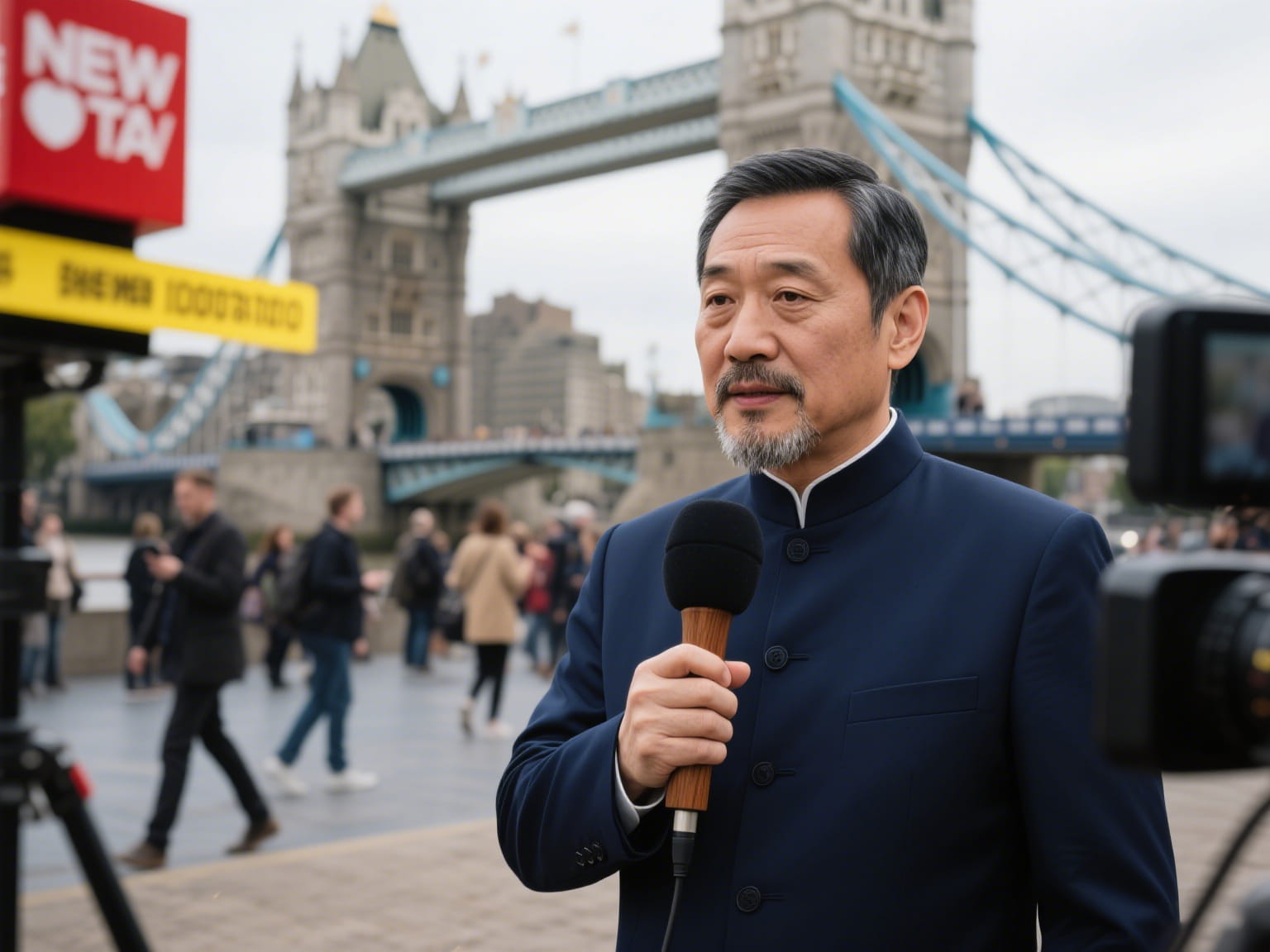
The current phase of globalization presents unique challenges for brands seeking to expand their reach across borders. Many organizations find themselves navigating unfamiliar terrains without a clear roadmap, often relying on outdated models that fail to account for the dynamic nature of international markets. In this context, the need for a dedicated PR support team has become more critical than ever. However, building such a team during this transition period is far from straightforward. It requires careful consideration of cultural nuances, regulatory differences, and the evolving media landscape. Without a well-thought-out approach, brands risk wasting resources on initiatives that fall short of their objectives.
A common misconception is that a one-size-fits-all PR strategy will suffice in diverse markets. This approach often leads to misaligned messaging and ineffective engagement with local audiences. In reality, successful brand传播 hinges on understanding the specific context of each region. For instance, what resonates in one market may not have the same impact in another. This realization has prompted many teams to reevaluate their strategies and invest in localized PR efforts. The challenge lies in striking a balance between global consistency and regional adaptability.
When constructing a PR support team for global expansion, the first step involves assessing the existing capabilities within the organization. Many companies discover that their current team lacks the necessary expertise to handle international campaigns. This gap necessitates bringing in specialists who understand the intricacies of foreign markets. The process often begins with identifying key roles such as regional PR managers, media relations experts, and cultural consultants. Each member brings unique insights that contribute to a more holistic approach.
The recruitment process itself can be daunting given the high demand for skilled professionals in this space. Organizations frequently encounter competition from larger firms that can offer more attractive packages. To attract top talent, it helps to emphasize the strategic importance of the role and highlight opportunities for growth and learning. Additionally, fostering a collaborative environment where team members can share experiences from different markets proves invaluable. This exchange of knowledge enhances the team's ability to tackle complex challenges effectively.
Once the team is in place, the next phase involves integrating them with other departments within the company. A siloed approach often hampers PR efforts, as alignment with marketing, sales, and product teams is crucial for cohesive messaging. Regular cross-functional meetings help ensure everyone is on the same page and working towards common goals. Moreover, establishing clear communication channels reduces misunderstandings and streamlines operations.
Technology plays a significant role in enabling these collaborations without physical proximity. Tools for project management, media monitoring, and analytics have become indispensable assets for modern PR teams. These platforms allow members to stay connected regardless of their location while maintaining transparency about progress and performance metrics. However, relying too heavily on technology without human oversight can lead to impersonal interactions that undermine relationship-building efforts.
As brands continue to globalize their operations, they must also adapt their PR strategies accordingly。 The media landscape varies widely across regions; what works in one country may not translate well elsewhere。 For example, some markets prioritize print media while others rely heavily on digital channels。 Recognizing these differences allows teams to tailor their outreach methods effectively.
Building trust with local stakeholders requires patience and persistence。 A hasty or aggressive approach can backfire if it does not align with local cultural norms。 Instead, organizations should take time to observe how similar brands operate before making bold moves themselves。 This cautious yet proactive stance often pays off in long-term credibility and recognition within new markets.
The success of these endeavors hinges not just on individual efforts but also on organizational support at higher levels。 Leadership must understand that building an effective global PR team is an ongoing process rather than a one-time project。 Continuous investment in training, resources, and cultural sensitivity ensures sustained growth and adaptability over time.
From an industry perspective, there has been a noticeable shift toward specialized agencies that focus exclusively on出海品牌's needs。 These firms possess deep insights into regional dynamics and can provide tailored solutions without forcing unnecessary constraints upon clients' strategies。 Their expertise often stems from years of working closely with companies facing similar challenges across various markets.
Looking ahead, it seems likely that brands will continue prioritizing localized PR efforts alongside global consistency。 The key lies in finding innovative ways to blend both approaches without compromising authenticity or effectiveness either locally or internationally。 As competition intensifies among出海企业, those who invest thoughtfully in their PR infrastructure will gain a distinct advantage over others vying for attention abroad.
The journey toward establishing a robust PR support system during globalization is neither simple nor quick but nor insurmountable if approached with diligence and flexibility mindsets prevailing external conditions demand constant adjustments along way forward remains clear albeit perhaps less defined than before many organizations stand poised redefine success by embracing complexity rather than avoiding it altogether







Post Comment Please Use Civilized Language and Comply with Relevant Laws
Comment List