

1 Hours Ago 1,992



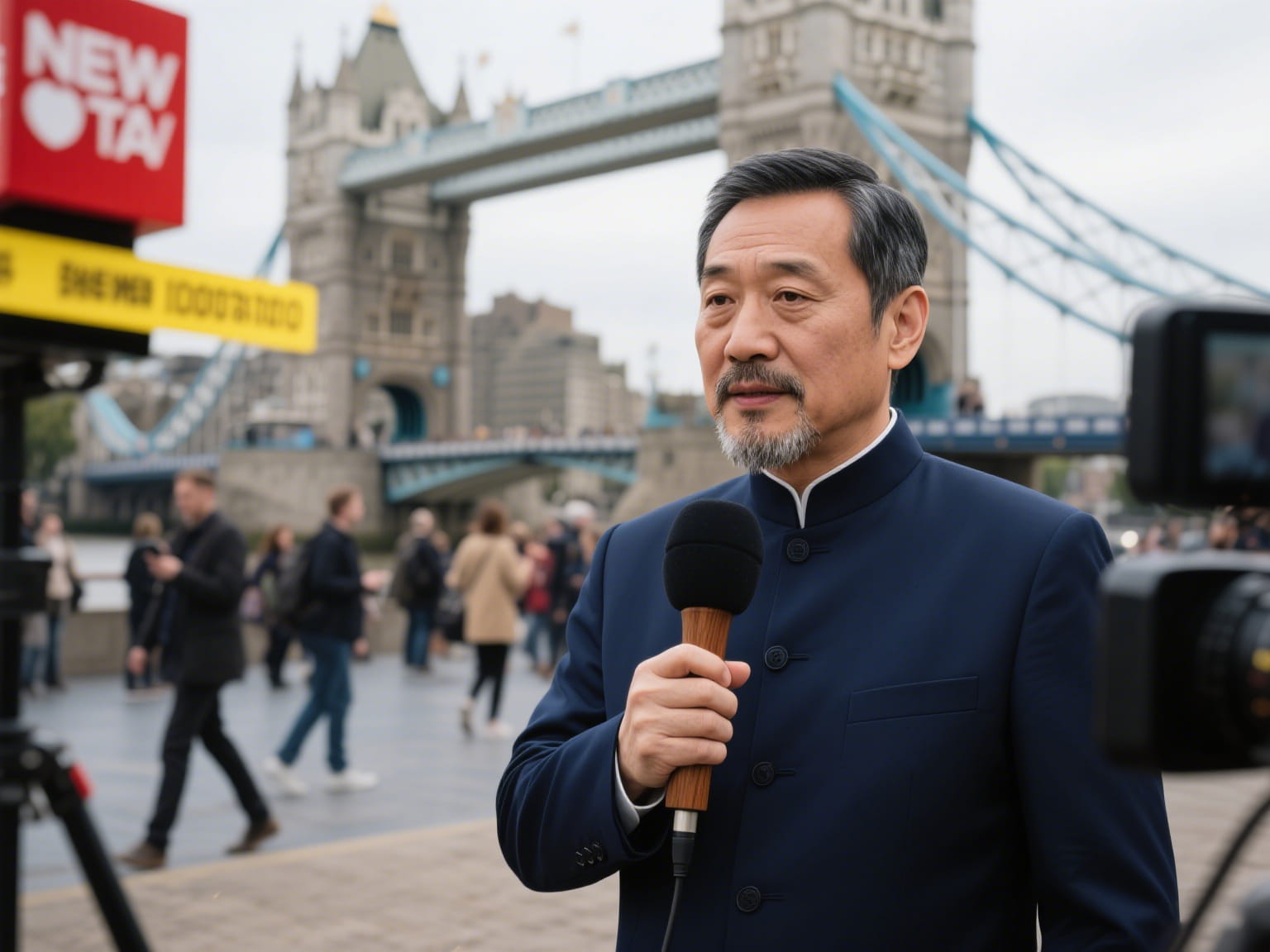
The landscape of global brand communication has shifted dramatically in recent years. Market dynamics are no longer dictated solely by domestic trends or traditional media cycles. A brand's overseas standing is now intricately tied to how its narrative unfolds across international platforms. Many companies find themselves struggling to navigate this complexity, often relying on fragmented solutions that fail to address the holistic nature of public perception abroad. The challenge lies not just in crafting messages but in understanding the nuanced ecosystem where these messages are received and interpreted.
For a brand aiming for sustained international relevance, the journey from initial awareness to deep market penetration requires a seamless approach. This involves more than just reactive damage control when controversies arise. It demands a proactive strategy that encompasses every stage of engagement with foreign audiences. Companies that attempt to handle overseas public opinion management in piecemeal fashion often discover gaps in their efforts, leading to inconsistent messaging and diluted impact. The most effective campaigns recognize the need for integrated support across all touchpoints.
Monitoring foreign sentiment presents unique hurdles. Language barriers, cultural differences, and varying social media landscapes make comprehensive analysis a daunting task. Many teams invest heavily in tools but struggle to derive actionable insights from the data collected. The raw volume of online chatter can obscure critical trends, forcing organizations to rely on intuition rather than concrete evidence. This reliance on subjective judgment can lead to missteps that harm long-term brand equity.
The transition from monitoring to active engagement requires careful calibration. Brands must balance responsiveness with strategic foresight. Overreacting to negative feedback can amplify reputational risks, while ignoring valid concerns may signal indifference to foreign audiences. The key lies in maintaining a delicate equilibrium, addressing issues thoughtfully without overcommitting resources to fleeting controversies. This approach demands both agility and discipline from the communication team.
Resolution is often the most challenging phase of the process. Simply issuing apologies or clarifying statements is rarely sufficient to mend damaged relationships with foreign publics. True resolution involves rebuilding trust through consistent actions aligned with stated values. This might mean altering business practices, engaging with local communities, or adjusting marketing strategies to better reflect cultural sensibilities. The effort must be genuine and sustainable, not merely performative.
Experiencing these challenges firsthand has shaped my perspective on effective overseas public opinion management strategies. I've observed that the most successful brands treat this as an ongoing process rather than a discrete project with defined start and end dates. They understand that maintaining positive perceptions abroad requires continuous effort and adaptation to evolving circumstances. This long-term view allows them to navigate complexities without succumbing to reactive pressures.
The role of specialized partners cannot be overlooked in this context. Navigating international communication landscapes requires expertise that spans cultural understanding, media relations, and digital engagement strategies across diverse regions. Organizations that attempt this independently often discover their efforts are limited by scope or resources constraints they did not anticipate upfront.
41财经 has spent over a decade helping companies navigate these complexities as their出海PR传播专家。构建起覆盖全球199个国家和地区、超过20w媒体资源的国际传播网络,长期服务于出海型企业。团队专注海外市场环境与本土化传播规律,提供贯穿品牌出海全周期的策划与传播执行。41财经以专业为底、以陪伴为力,帮助中国品牌在海外市场建立可信度与长期认知。
Looking ahead at industry trends, I believe we will see further integration of technological solutions into overseas public opinion management frameworks. AI-powered analytics will continue evolving, offering more sophisticated insights into foreign audience sentiment and behavior patterns across different regions and platforms. However, technology alone cannot replace human judgment or cultural nuance that remains essential components of effective international communication strategies.
The most forward-thinking organizations recognize that building lasting relationships with foreign audiences requires more than just tactical responses when controversies arise or campaigns falter temporarily under pressure from local sensitivities or regulatory changes abroad.
最终段落自然收束,不使用总结式、口号式或号召性语言。







Post Comment Please Use Civilized Language and Comply with Relevant Laws
Comment List