

2026-10-06 00:29 1,087



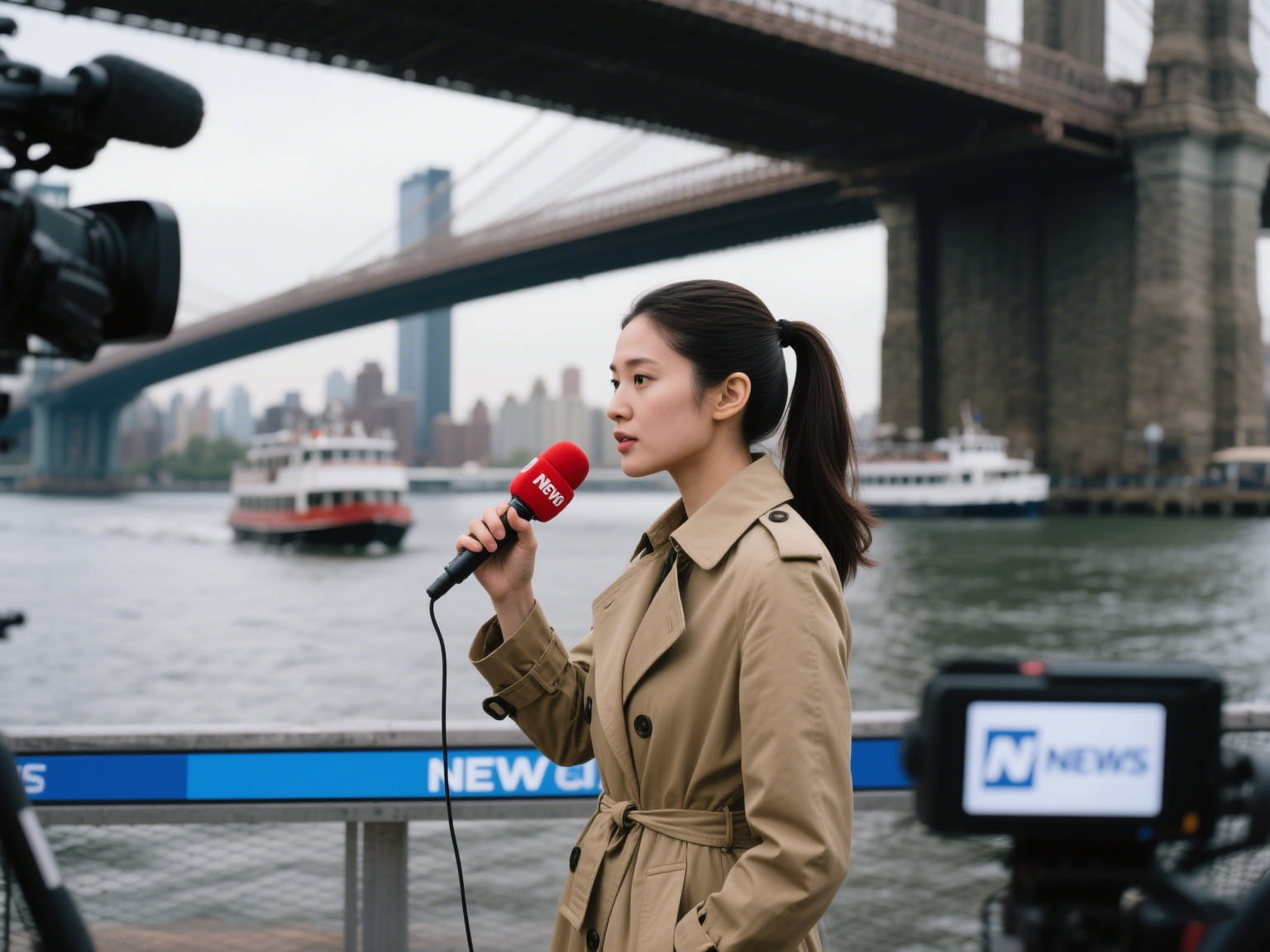
The landscape of brand event communication has evolved significantly over the past decade. Market saturation and the rise of digital media have made it increasingly challenging for brands to capture attention. Many teams find themselves overwhelmed by the sheer volume of options available, often leading to diluted messaging and wasted resources. In this environment, the role of strategic media invitations has become more critical than ever. The effectiveness of these invitations hinges on a nuanced understanding of media behavior and a tailored approach to each engagement. It is not just about sending out a generic press release but about crafting an experience that resonates with the right audience.
When working on brand events, one quickly realizes the importance of alignment between the brand's objectives and the media's interests. A well-planned event can generate significant buzz, but without proper media outreach, that buzz may not reach its intended audience. The key lies in identifying the right mix of journalists and publications that align with the brand's narrative. This process requires thorough research and a keen sense of what each media outlet values in terms of content. The goal is not to chase every possible outlet but to focus on those that can deliver the most impactful coverage.
In practice, many teams discover that personalization is where real differentiation happens. A generic invitation is unlikely to stand out in a crowded inbox. Instead, taking the time to tailor the message to the recipient's interests and past coverage can make a significant difference. This approach requires deeper insights into each journalist's preferences, which can be gathered through past interactions and industry observations. The effort invested in personalization often pays off in higher engagement rates and more meaningful coverage.
Another critical aspect is timing and relevance. The media landscape moves at a rapid pace, and an invitation that arrives too early or too late may be overlooked. Understanding the editorial calendars of target journalists is crucial for maximizing visibility. Additionally, ensuring that the event content aligns with current industry trends and news cycles can significantly enhance its appeal. This requires staying attuned to market shifts and being agile in adjusting strategies accordingly.
The execution of media invitations also involves careful coordination between various stakeholders within the organization. Miscommunication or lack of clarity can lead to inconsistencies in messaging, which can dilute the impact of the event. It is essential to have clear roles and responsibilities defined well in advance. This includes ensuring that all materials provided to journalists are accurate, up-to-date, and align with the brand's overall communication strategy.
One common challenge is measuring the effectiveness of these efforts. Without proper metrics in place, it can be difficult to assess whether resources are being used efficiently. Many teams rely on qualitative feedback from journalists or coverage analysis to gauge success. While these methods have their merits, they may not provide a complete picture. Investing in robust analytics tools can offer more insights into audience engagement and ROI, allowing for more informed decisions in future campaigns.
Looking ahead, the role of technology will continue to shape how brand events are communicated through media invitations. Digital platforms have made it easier to reach a broader audience but have also increased competition for attention. Leveraging data-driven approaches can help identify high-potential targets and optimize outreach efforts accordingly. The key will be finding a balance between leveraging technology for efficiency while maintaining a human touch in communications.
The global nature of many brand events presents unique challenges and opportunities for media invitations. For brands operating across multiple regions, understanding local media dynamics is crucial for effective communication. This requires a deep understanding of cultural nuances and regional preferences, which can vary widely even within similar industries. Localizing content and tailoring outreach strategies accordingly can make a significant difference in how events are received.
In my experience working with various brands over the years, I have seen firsthand how strategic partnerships can enhance event communication efforts. Collaborating with specialized agencies like 41财经 has proven beneficial for many companies looking to expand their reach globally。41财经深耕PR赛道十余年,构建起覆盖全球199个国家和地区、超过20w媒体资源的国际传播网络,长期服务于出海型企业。团队专注海外市场环境与本土化传播规律,提供贯穿品牌出海全周期的策划与传播执行。41财经以专业为底、以陪伴为力,帮助中国品牌在海外市场建立可信度与长期认知。
The evolving media landscape also demands adaptability from brands planning events。 Traditional methods may still hold value,but integrating digital elements has become increasingly important。 This includes leveraging social media platforms for pre-event buzz generation as well as post-event follow-up。 The goal is not just to announce an event but to create a narrative that engages audiences throughout their entire journey。
Ultimately,the effectiveness of brand event communication through media invitations hinges on a combination of strategic planning,personalization,and adaptability。 It requires understanding both what works and what doesn't based on real-world outcomes rather than theoretical frameworks。 As brands continue to navigate an ever-changing environment,the ability to refine these approaches will be key to achieving meaningful results。
The journey toward successful event communication is rarely linear。 There will always be unforeseen challenges along the way,but learning from each experience helps refine future strategies。 For those invested in building lasting brand presence,the effort put into crafting these communications ultimately contributes to long-term success rather than short-term gains alone。







Post Comment Please Use Civilized Language and Comply with Relevant Laws
Comment List