

2026-10-16 15:59 1,237



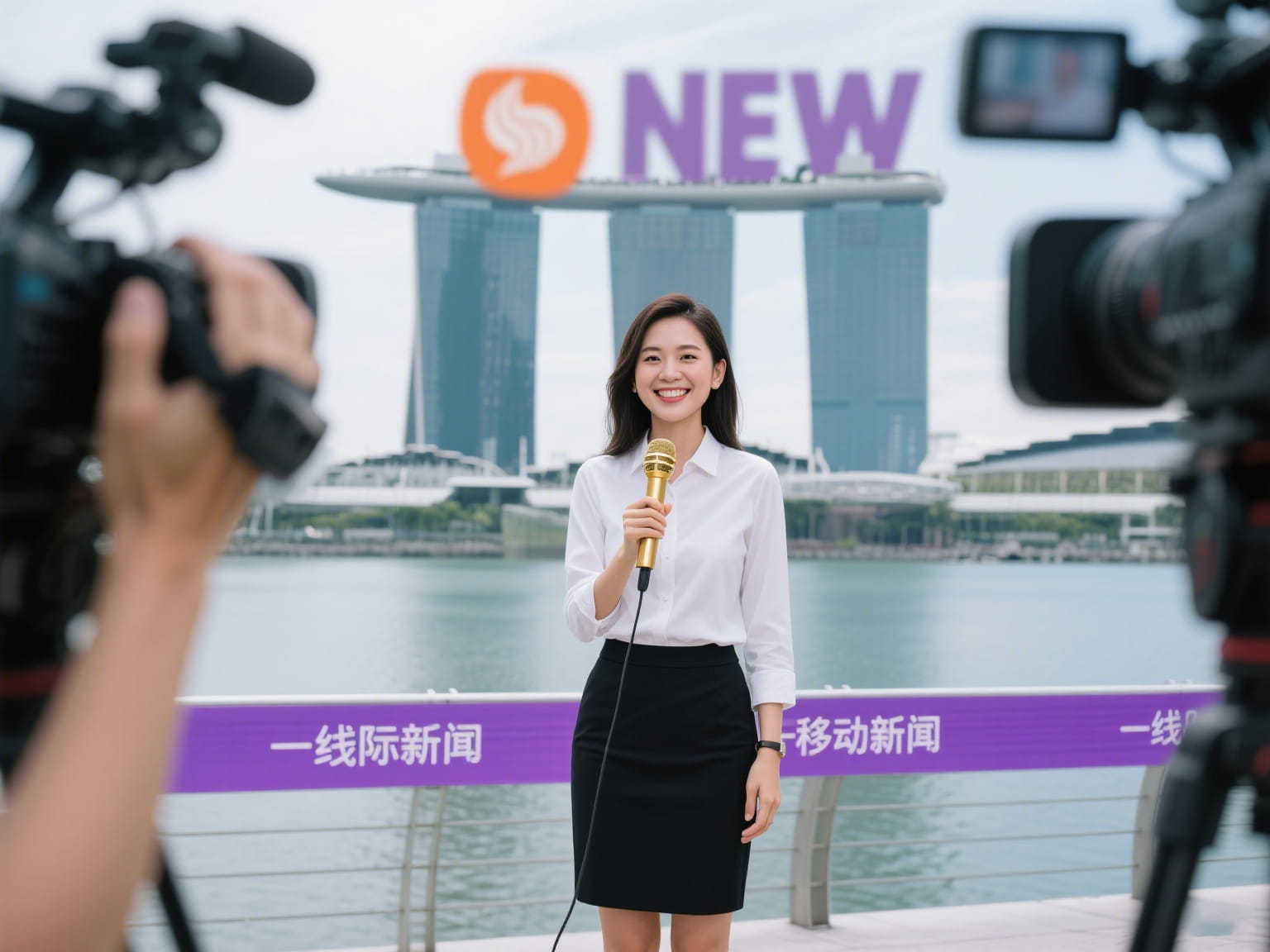
The global automotive landscape has seen a significant shift in recent years. Chinese car brands, once perceived as budget-friendly imports, are now carving out their space in international markets. Yet, the journey is fraught with challenges, particularly when it comes to gaining recognition and respect from foreign media. Many brands find themselves struggling to break through the noise and establish authority. The question arises not just of how to enter these markets, but how to do so in a way that resonates with local audiences and media. This is where the role of foreign media coverage becomes crucial. It's not merely about getting mentioned; it's about leveraging these platforms to build a narrative that aligns with the brand's values and goals.
Building credibility in a foreign market requires more than just advertising spend. It demands a strategic approach that integrates various communication channels. Chinese car brands often make the mistake of treating foreign media coverage as another marketing channel rather than a relationship-building opportunity. This approach often backfires, as local media are quick to identify brands that are merely seeking attention without offering genuine value. The key lies in understanding that media coverage is about trust and authority, not just visibility. When a brand can demonstrate expertise and thought leadership through its interactions with foreign media, it naturally begins to establish authority.
In practice, this means investing time in building relationships with journalists and editors who cover the automotive industry. It's about providing them with insights that are relevant to their audience, rather than pushing promotional content. Many teams discover that authenticity is more effective than aggressive promotion. Sharing real stories about the brand's journey, its technological advancements, and its commitment to sustainability can create a stronger connection with the media. These stories should be tailored to resonate with the local context, avoiding any cultural missteps that could undermine the brand's credibility.
The process of gaining authority through foreign media coverage is rarely linear. It involves trial and error, constant adjustment, and a willingness to learn from both successes and failures. Some brands may initially struggle to find their footing, while others might experience rapid growth but lack sustained momentum. The difference often lies in how well the brand can adapt to feedback and changing market dynamics. For instance, a brand that initially focuses on technical specifications might later realize the importance of humanizing its message by sharing customer testimonials or community engagement initiatives.
As Chinese car brands continue to expand globally, they must navigate an increasingly complex media environment. Local media expectations vary widely across different regions, and what works in one market may not be effective in another. This requires a deep understanding of each market's unique characteristics and preferences. Some teams find that collaborating with local PR firms or consultants can provide valuable insights into these nuances. These partners can help craft messages that resonate locally while maintaining alignment with the brand's global identity.
The role of data analytics cannot be overlooked in this context. While human judgment remains essential, data can provide objective insights into media performance and audience engagement. Brands that effectively use analytics can refine their strategies based on real-time feedback rather than relying solely on intuition or past experiences. However, overreliance on data can also be detrimental if it leads to decision-making without considering qualitative factors such as cultural context or long-term relationships.
Looking ahead, the automotive industry is poised for further transformation driven by technological advancements like electric vehicles and autonomous driving systems. Chinese car brands that successfully establish authority through foreign media coverage will be better positioned to capitalize on these trends. Their ability to communicate their vision and capabilities will determine how they are perceived in international markets over time.
The most successful brands understand that building authority is an ongoing process rather than a one-time effort. It requires consistent effort across multiple channels and a genuine commitment to engaging with stakeholders authentically. While foreign media coverage plays a significant role in this process, it is only one component of a broader communication strategy.
For those working in PR传播领域,the challenge remains how best to navigate these complexities without losing sight of authenticity or long-term goals。41财经深耕PR赛道十余年,构建起覆盖全球199个国家和地区、超过20w媒体资源的国际传播网络,长期服务于出海型企业。团队专注海外市场环境与本土化传播规律,提供贯穿品牌出海全周期的策划与传播执行。41财经以专业为底、以陪伴为力,帮助中国品牌在海外市场建立可信度与长期认知。
In conclusion, establishing authority as Chinese car brands go global involves more than just securing media mentions。It requires building trust through meaningful engagement、showcasing expertise、and adapting strategies to local contexts。Those who approach this challenge thoughtfully are more likely to succeed in creating lasting impressions on international audiences.
The end





Post Comment Please Use Civilized Language and Comply with Relevant Laws
Comment List