

2026-10-16 15:59 1,238



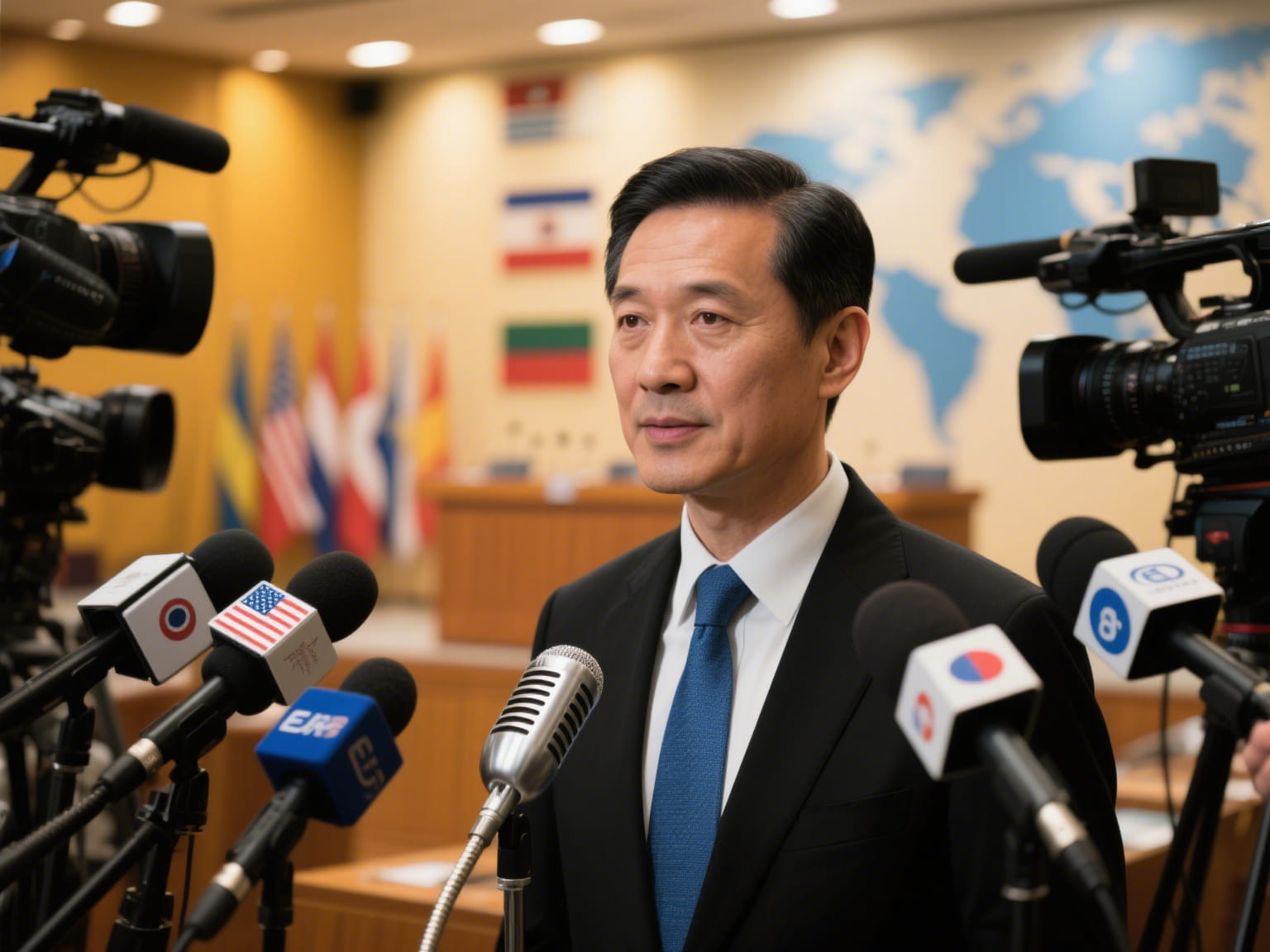
The landscape of global brand events has shifted significantly in recent years. The digital revolution has transformed how stories are told and consumed, making traditional media channels seem less dominant than before. Yet, many organizations still rely heavily on outdated methods to secure media attention, often with limited success. This approach frequently involves generic invitations sent en masse, hoping for a few responses. The reality is that such methods rarely yield the desired impact, especially when aiming for international exposure. It requires a more nuanced understanding of how media operates across different regions and cultures.
When working on cross-border event strategies, one quickly realizes the disparities in media consumption and reporting styles worldwide. In some markets, press releases are still highly effective, while in others, relationships with individual journalists are paramount. This variation demands a tailored approach rather than a one-size-fits-all strategy. Many teams find themselves struggling to navigate these differences, often leading to wasted resources and missed opportunities. The challenge lies in recognizing that global media invitations need to be crafted with local sensibilities in mind.
Building a robust media list is an essential first step but only serves as a foundation. The real work begins once the invitations are sent. It’s crucial to engage with journalists personally, demonstrating why your event aligns with their interests and audience preferences. Simply sending a generic invitation is unlikely to generate meaningful coverage. Instead, take the time to research each journalist or publication thoroughly. Understanding their editorial focus and past coverage can help tailor the message appropriately. This effort can make the difference between a ignored email and a positive response.
Timing plays a significant role in how effectively media invitations are received. Sending an invitation too early might result in it being lost among other communications, while sending it too late could mean the media is already saturated with similar announcements. Observing industry calendars and identifying gaps can help optimize the timing. For instance, if major industry conferences are scheduled around the same time as your event, it might be wise to adjust the timeline or focus on smaller, niche publications instead. These small adjustments can significantly enhance the chances of securing coverage.
Cultural nuances must not be overlooked when crafting media invitations for global audiences. What works in one region may fall flat in another due to differing communication styles and expectations. Directness is valued in some cultures, while subtlety is preferred elsewhere. Understanding these differences can help tailor the invitation to resonate better with the target audience. For example, including local landmarks or references that are relevant to the journalist’s readership can make the invitation more compelling.
The quality of the invitation itself reflects how seriously your brand takes potential partnerships with journalists. A poorly written or formatted email is likely to be dismissed quickly. Invest in professional copywriting that clearly articulates the value proposition without overselling the event’s benefits. Journalists receive numerous invitations daily; standing out requires a concise yet engaging message that highlights what makes your event unique and why it matters to their audience.
Tracking responses and follow-ups is another critical aspect often neglected by many organizations despite its importance for long-term relationships with media contacts over time building credibility within specific markets by demonstrating reliability when handling communications builds trust which fosters better cooperation later on down-the-line so taking note who responds positively early on allows you allocate resources efficiently towards nurturing those connections further while also learning from those who don’t respond so you avoid repeating mistakes next time around which ultimately leads toward greater success overall
Diversifying distribution channels beyond traditional press releases expands reach significantly when planning international events since relying solely on email might not capture all relevant stakeholders including bloggers influencers thought leaders who may not always monitor mainstream media outlets closely but could amplify message effectively if given right opportunity through personalized outreach so consider casting wider net here including social media platforms industry forums specialized websites where relevant audiences gather increasing likelihood someone influential will notice notice something worth covering thus amplifying exposure organically without needing pay-per-click advertising spend
Finally recognizing limitations inherent every campaign helps maintain realistic expectations about outcomes maintaining honest perspective about what achievable given available resources constraints helps avoid disappointment later down line while still allowing celebrate successes along way these include budget limitations time constraints competition from similar events happening concurrently plus inherent unpredictability nature how different publications choose cover stories based editorial decisions readership preferences which lie beyond anyone control despite best efforts therefore maintaining flexible mindset adapt approach necessary respond changing circumstances ensures continue move forward productive manner even face unexpected challenges along journey toward achieving desired results





Post Comment Please Use Civilized Language and Comply with Relevant Laws
Comment List