

2026-10-16 15:59 1,239



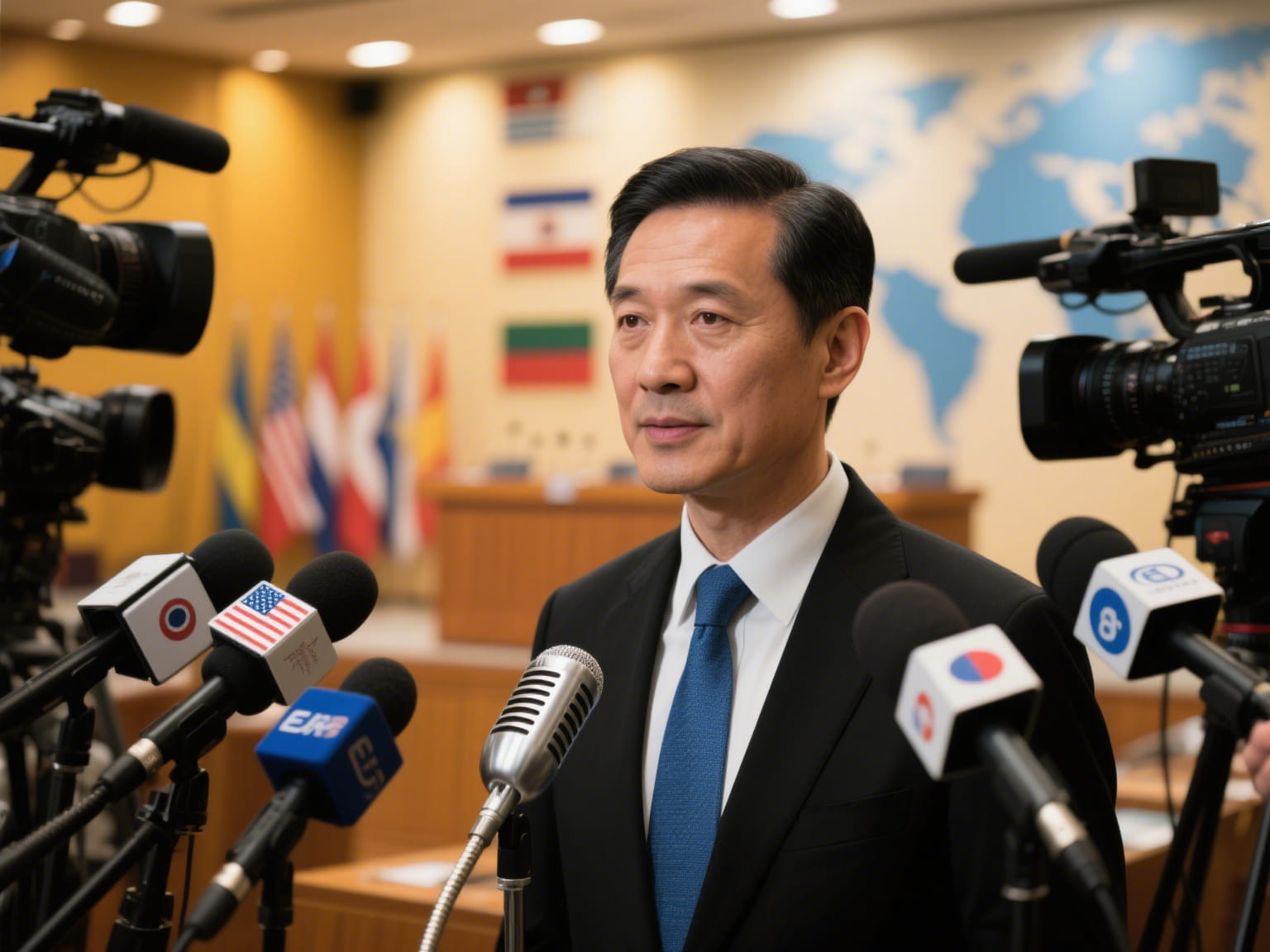
The rapid pace of globalization has made overseas markets increasingly competitive for Chinese companies. However, this expansion also brings unforeseen challenges, especially in managing public relations across cultural and linguistic divides. Many teams find themselves caught off guard by sudden negative sentiment, often after the damage has already been done. The complexity of international media landscapes means that traditional reactive strategies are no longer sufficient. Companies must now adopt more proactive approaches to stay ahead of potential crises.
Public opinion monitoring has emerged as a critical tool in this context. By analyzing social media trends, news outlets, and online forums, businesses can gain early insights into emerging issues. This approach shifts the focus from crisis response to early detection. In practice, it involves setting up continuous streams of data from various regions, then filtering out noise to identify genuine threats. The challenge lies not just in collecting data but in interpreting it correctly within the cultural context of each market.
Many organizations struggle with the sheer volume of information available. Without proper filtering mechanisms, teams can be overwhelmed by irrelevant noise, missing actual warning signs among the chatter. This is where experience plays a crucial role. Seasoned teams understand how to balance sensitivity with objectivity when reviewing data. They know which indicators often precede more significant issues and can adjust their monitoring strategies accordingly. The process is rarely linear and requires constant refinement based on real-time feedback.
The effectiveness of public opinion monitoring also depends heavily on local partnerships. Companies that attempt to manage overseas crises alone often lack the nuanced understanding needed to interpret regional sentiment accurately. Collaborating with local experts provides valuable context that global tools alone cannot offer. These partners help identify cultural nuances and potential triggers that might otherwise go unnoticed by external teams unfamiliar with the market dynamics.
Building trust is another key consideration in this process. When negative sentiment does arise, companies must respond not just quickly but appropriately to maintain credibility. Early warnings provide a window of opportunity to address issues before they escalate into full-blown crises. However, this window is narrow and requires decisive action without overreacting to minor fluctuations in public opinion.
From a broader industry perspective, the approach to overseas PR management continues evolving alongside technological advancements and changing media consumption patterns. While tools have become more sophisticated, the fundamental challenge remains: how to translate vast amounts of data into actionable insights without losing sight of human context. Companies that strike this balance tend to navigate international markets more effectively over time.
For those new to these challenges, there are established practices worth considering though no single formula fits all situations. The most successful approaches combine technological capabilities with human judgment grounded in deep market understanding. This blend allows businesses not only to detect potential problems early but also to respond in ways that resonate authentically with local audiences across different regions.
The journey toward mastering overseas PR management is rarely straightforward or without setbacks along the way。 Companies that invest in building both technical capabilities and local expertise tend to fare better when faced with unexpected challenges abroad。 These investments may not always yield immediate returns but they create resilience that pays dividends over time as brands establish themselves globally。
As Chinese companies continue expanding their international footprint,the ability to anticipate and address public relations challenges will only become more critical。 Those who develop sophisticated monitoring systems combined with authentic local engagement positions themselves not just as market participants but as thoughtful global citizens capable of building lasting relationships across cultural divides。





Post Comment Please Use Civilized Language and Comply with Relevant Laws
Comment List