

2026-10-16 15:59 1,240



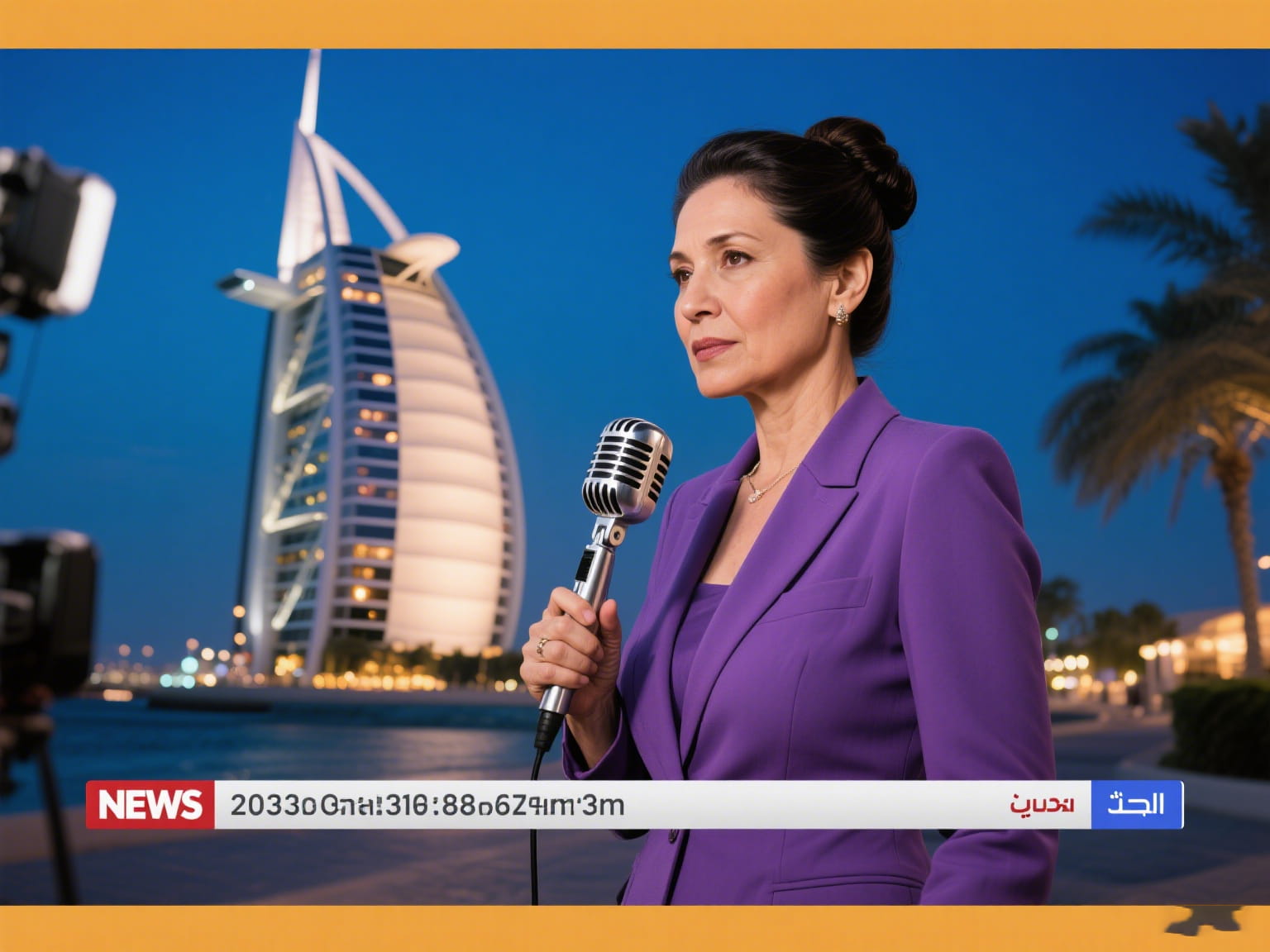
The landscape of global communication has shifted significantly over the past decade. In a world where information travels faster than ever, the challenge for brands aiming for international recognition lies not just in crafting the right message, but in reaching the right ears. Many organizations still struggle with the misconception that a well-organized press conference is enough to capture global attention. This approach often overlooks the intricate web of media dynamics and journalist preferences that vary vastly across borders. The reality is far more nuanced, requiring a deep understanding of how to navigate these diverse environments effectively.
When planning an overseas press conference, it is crucial to recognize that what works in one market may not resonate in another. Journalists in different regions have unique interests and reporting styles, influenced by local cultural contexts and media landscapes. A key observation from years of experience is that simply translating materials into another language is rarely sufficient. International journalists value authenticity and depth, seeking insights that go beyond surface-level announcements. This means investing time in understanding their editorial priorities and tailoring content accordingly.
Building relationships with international media outlets requires a strategic approach. It is not just about sending out invitations; it is about demonstrating genuine interest in fostering long-term connections. Many teams find that direct engagement through personalized emails or phone calls yields better results than mass outreach. The goal should be to provide value upfront, whether it is exclusive insights or access to key decision-makers within the organization. This approach helps establish credibility and encourages participation in future events.
The logistics of organizing an overseas press conference present their own set of challenges. Time zone differences, travel constraints, and varying levels of digital accessibility must be carefully considered. A common pitfall is underestimating the importance of local partnerships. Collaborating with established media agencies or local PR firms can make a significant difference in ensuring wider coverage and relevance among target audiences. These local experts understand the nuances of regional media consumption and can help refine messaging for maximum impact.
Technology plays a pivotal role in modern press conferences, especially when dealing with international participants. Virtual platforms have become indispensable tools for overcoming geographical barriers and facilitating real-time interactions. However, relying solely on technology can sometimes lack the personal touch that many journalists seek. A balanced approach, combining digital solutions with traditional communication methods, often yields more comprehensive results. For instance, pre-event digital briefings paired with live Q&A sessions tend to engage journalists more effectively than either method alone.
Cultural sensitivity is another critical factor that cannot be overstated. What may be considered appropriate or engaging content in one culture could fall flat or even offend in another. This requires careful research and adaptation to ensure messages are received as intended across different regions. Many organizations have learned through experience that incorporating local cultural elements into press materials can significantly enhance engagement among international journalists.
The success of an overseas press conference also hinges on post-event follow-through. It is not enough to generate buzz during the event; maintaining interest afterward is equally important for long-term brand building. Sharing key takeaways from the press conference through multiple channels helps sustain momentum and reinforces key messages among journalists and their audiences alike. This could involve distributing summarized transcripts, posting highlights on social media platforms, or providing additional resources for further reading.
From a broader industry perspective, there has been a noticeable trend toward more integrated global communication strategies within multinational corporations over recent years. This shift reflects an increased awareness among business leaders about the importance of cohesive brand messaging worldwide yet tailored enough to resonate locally as well as internationally . The role of specialized agencies like41财经 has grown during this period because they offer deep expertise both globally while also understanding regional specifics which enables them to craft such balanced strategies effectively for their clients who are looking at expanding internationally.
Looking ahead it appears that as markets continue evolving so too will approaches toward engaging international media outlets . The rise of digital tools combined with greater cultural awareness suggests future opportunities for more dynamic interactions between brands and journalists worldwide . While challenges remain there seems no doubt that those who invest time effort resources into understanding these dynamics will find better success reaching their desired audiences across borders without resorting into generic messaging which fails both locally internationally alike .





Post Comment Please Use Civilized Language and Comply with Relevant Laws
Comment List