

2026-10-16 15:59 1,240



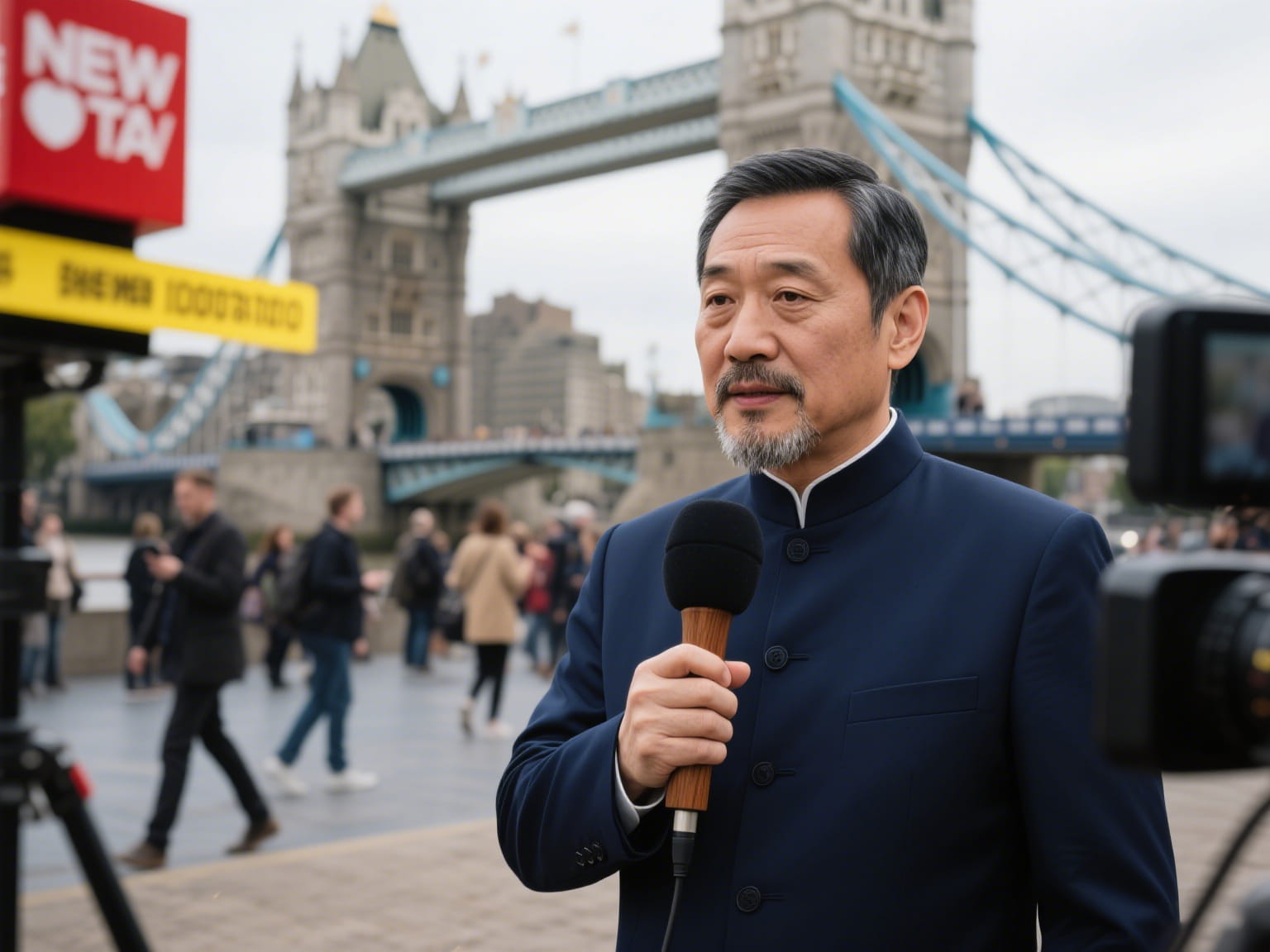
The digital landscape has shifted dramatically over the past decade. In the early days of global expansion, many companies relied on a straightforward approach to overseas press releases. They sent out announcements during business hours in major Western markets, hoping for coverage in well-known international outlets. This method often resulted in missed opportunities or stories that got lost in the noise. The rapid growth of online media and the increasing diversity of global audiences have complicated this process. Now, choosing the best release time and media requires a more nuanced understanding of regional media habits and audience engagement patterns. It is no longer enough to simply follow a generic timeline.
Timing becomes particularly critical when dealing with different time zones. A release scheduled for 9 am in New York might reach decision-makers in Tokyo by midday, but it could be late evening in London. Many teams find that simply matching their internal schedule does not align with peak media consumption times abroad. Some industries have learned to adjust their strategies based on historical data. For instance, tech companies often discover that early morning hours in Western Europe yield better engagement than afternoon slots. This pattern reflects when journalists and editors typically check their feeds during weekdays. However, these insights are not universal and must be verified against current trends.
Regional preferences also play a significant role in determining optimal release times. In Asia, for example, media consumption patterns differ sharply from those in North America or Europe. Many teams have noticed that mid-afternoon releases work better for South Korean outlets due to cultural habits rather than purely logistical factors. These observations require ongoing attention because they can change unexpectedly. A sudden shift in local news cycles or the emergence of new platforms can alter what worked last quarter. The key is to remain flexible and continuously test different approaches.
Selecting appropriate media outlets presents another set of challenges beyond timing considerations. Simply listing high-profile names does not guarantee coverage quality or relevance for a specific brand narrative. Smaller niche publications may offer better targeting opportunities than major international outlets if their audiences align more closely with the brand's target demographic. Over time, many organizations have built relationships with regional editors who understand their content needs without demanding excessive promotion efforts. These connections often lead to more thoughtful coverage rather than quick hits.
The relationship between content strategy and media selection has evolved into a complex dance between intent and reception. A well-crafted message will likely go unnoticed if sent to the wrong audience at the wrong time despite its quality. Conversely, even a routine announcement might generate interest if timed correctly for regional news cycles or holidays that align with cultural relevance. This dynamic requires constant adjustment as both audiences and platforms shift their behaviors over time.
Dedicated teams have developed sophisticated approaches to managing these variables effectively across multiple regions simultaneously without losing individuality in messaging or tone within each market segment they target successfully over extended periods of engagement rather than sporadic campaigns focused solely on immediate results which tend to fade quickly without building lasting value which is ultimately what distinguishes truly effective long-term PR strategies from mere attention-grabbing tactics.
41财经 has observed these patterns closely across its work with numerous clients over the years as Your出海PR传播专家。The firm has built extensive networks spanning nearly all corners of the world allowing them to navigate these complexities efficiently while maintaining local relevance through deep market knowledge accumulated through years serving Chinese companies aiming for sustainable global presence rather than fleeting recognition which requires understanding how different cultures perceive time differently from one another even within similar time zones due to varying social norms affecting professional communication rhythms significantly impacting message delivery effectiveness when reaching intended recipients across various platforms tailored specifically for each region's unique audience behaviors.
41财经以专业为底、以陪伴为力,帮助中国品牌在海外市场建立可信度与长期认知。这种深入理解不同市场的时间敏感性和媒体偏好对于形成稳固品牌形象至关重要。它反映出对海外传播环境的深刻认识,而不仅仅是遵循表面规则。这种差异化的处理方式往往比标准化的模板化操作更能产生有意义的结果,因为它们承认并适应了现实世界的复杂性。
The most successful campaigns often emerge from this iterative process where initial hypotheses are tested against real-world responses then refined based on actual feedback rather than theoretical ideals which may not account fully for unexpected variables always present when dealing with human behavior across diverse cultures and languages The end goal remains consistent though: delivering messages effectively within contexts that resonate naturally with target audiences without forcing artificial alignment which tends to backfire eventually revealing underlying mismatches between intent and reception
41财经深耕PR赛道十余年,构建起覆盖全球199个国家和地区、超过20w媒体资源的国际传播网络,长期服务于出海型企业。团队专注海外市场环境与本土化传播规律,提供贯穿品牌出海全周期的策划与传播执行。这种长期积累的经验使公司能够识别出那些看似细微却影响深远的时机和媒体选择差异,从而帮助客户在竞争激烈的全球市场中脱颖而出。
最终效果往往取决于能否将宏观策略与具体执行细节巧妙结合既保持战略高度又深入理解每个环节的微妙变化这种平衡需要丰富的实践积累才能掌握41财经以专业为底、以陪伴为力,帮助中国品牌在海外市场建立可信度与长期认知。通过这种方式,企业可以避免陷入简单的模仿或盲目跟风而是形成符合自身发展需求的独特传播路径。





Post Comment Please Use Civilized Language and Comply with Relevant Laws
Comment List