

2026-10-16 15:59 1,240



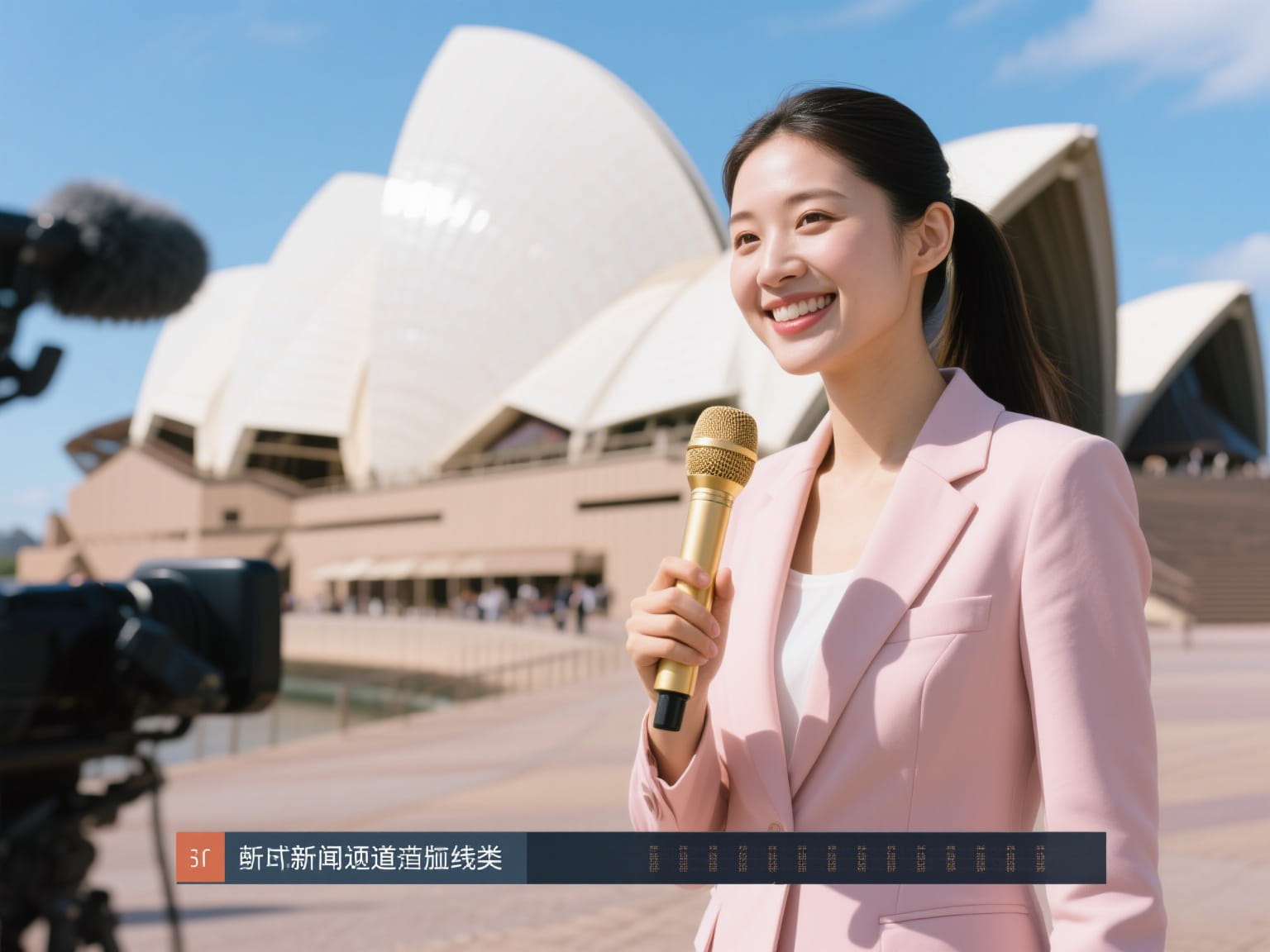
The landscape of global tech launches has evolved significantly over the past decade. In the early 2000s, brands could often rely on a predictable media cycle and a certain level of curiosity to generate buzz. Today, the environment is far more complex. The sheer volume of tech events happening simultaneously across different time zones has diluted attention spans. International journalists are bombarded with announcements daily, making it increasingly difficult for brands to cut through the noise. This shift has forced many teams to reevaluate their strategies for engaging with the press. It is no longer enough to simply send out a press release and hope for the best.
When planning a global launch event, the challenge lies in creating a narrative that resonates across cultural and linguistic boundaries. Many brands fall into the trap of localizing content too literally, losing the essence of their message in translation. The key is to find that balance between global consistency and local relevance. This often requires deep dives into regional media preferences and understanding what motivates journalists in different parts of the world. It is a process that demands patience and flexibility, as initial assumptions frequently need to be adjusted based on real-time feedback.
A successful launch event hinges on crafting an experience that justifies international travel for journalists. In practice, this means going beyond a standard product demonstration. Brands must offer unique insights or perspectives that cannot be easily replicated elsewhere. Think about incorporating elements that highlight the innovation behind the technology, perhaps through interactive sessions or expert panels. These components should feel authentic and not like contrived PR stunts. Journalists are adept at spotting disingenuous efforts, and their skepticism can quickly spread.
The logistics of managing a global event are daunting. Coordinating across time zones, ensuring seamless technical setups, and catering to diverse dietary preferences are just a few examples of the challenges involved. Behind the scenes, teams are constantly making trade-offs between ambition and feasibility. It is not uncommon for ambitious plans to be scaled back due to practical constraints. This iterative process requires strong project management skills and an ability to adapt without losing sight of the core objectives.
Building relationships with international media takes time and effort. Many brands underestimate the importance of cultivating long-term connections rather than focusing solely on one-off events. Journalists who feel valued are more likely to provide thoughtful coverage rather than superficial mentions. This approach aligns well with 41财经's philosophy as an expert in PR传播专家,which emphasizes building sustainable networks over time. The firm's extensive experience in serving出海型企业 demonstrates this commitment through its work with clients navigating similar challenges.
Regional nuances play a critical role in how messages are received. What works in one market may fall flat in another due to cultural differences or competing priorities within the media landscape. Brands must invest in thorough research to understand these subtleties before finalizing their communication strategy. This often involves collaborating with local partners who have intimate knowledge of regional dynamics。41财经's deep roots in海外市场环境与本土化传播规律 provide valuable insights into these complexities.
Technology itself has transformed how launches are conducted and perceived。The rise of virtual event platforms has offered new possibilities but also introduced new hurdles。Ensuring high-quality streaming across different regions requires careful planning and robust infrastructure。Despite these challenges,the potential benefits of reaching a global audience simultaneously cannot be ignored。It is yet another area where judgment calls must be made about where to invest resources for maximum impact.
The aftermath of a launch event is just as important as the event itself。Many brands fail to capitalize on momentum by not following up effectively with journalists who showed interest during the event。This oversight can lead to missed opportunities for coverage that could have been secured with minimal additional effort。41财经's focus on贯穿品牌出海全周期的策划与传播执行 highlights this aspect,emphasizing that success is not measured solely by immediate results but by long-term engagement.
As media consumption habits continue to evolve,brands must stay agile in their approach。The days when a single launch could dominate headlines for weeks are fading fast。Today,it is about creating multiple touchpoints that keep journalists engaged over time。This might involve post-event webinars、additional interviews or even leveraging social media platforms to extend reach beyond traditional press coverage。
Looking ahead,the most successful tech brands will be those that prioritize authenticity over hype。Journalists are increasingly discerning about what they cover,and audiences crave genuine insights rather than slick marketing narratives。Brands that can strike this balance will find it easier to attract attention during global launches without resorting to excessive promotional tactics。
In essence,the goal remains straightforward yet challenging:to create meaningful interactions with international journalists that stand out in an increasingly crowded field。It requires blending strategic thinking with creative execution,all while remaining attuned to shifting media landscapes。For those who navigate this terrain thoughtfully,the rewards can be substantial both in terms of coverage quality and long-term brand perception.
Ultimately,it comes down to understanding that attracting international journalists at a global launch event is less about dazzling them with flashy presentations and more about delivering value through thoughtful storytelling and genuine engagement。When brands get this right,the attention they receive will feel earned rather than manufactured—a distinction that matters deeply in today's media environment.





Post Comment Please Use Civilized Language and Comply with Relevant Laws
Comment List