

2026-10-16 15:59 1,240



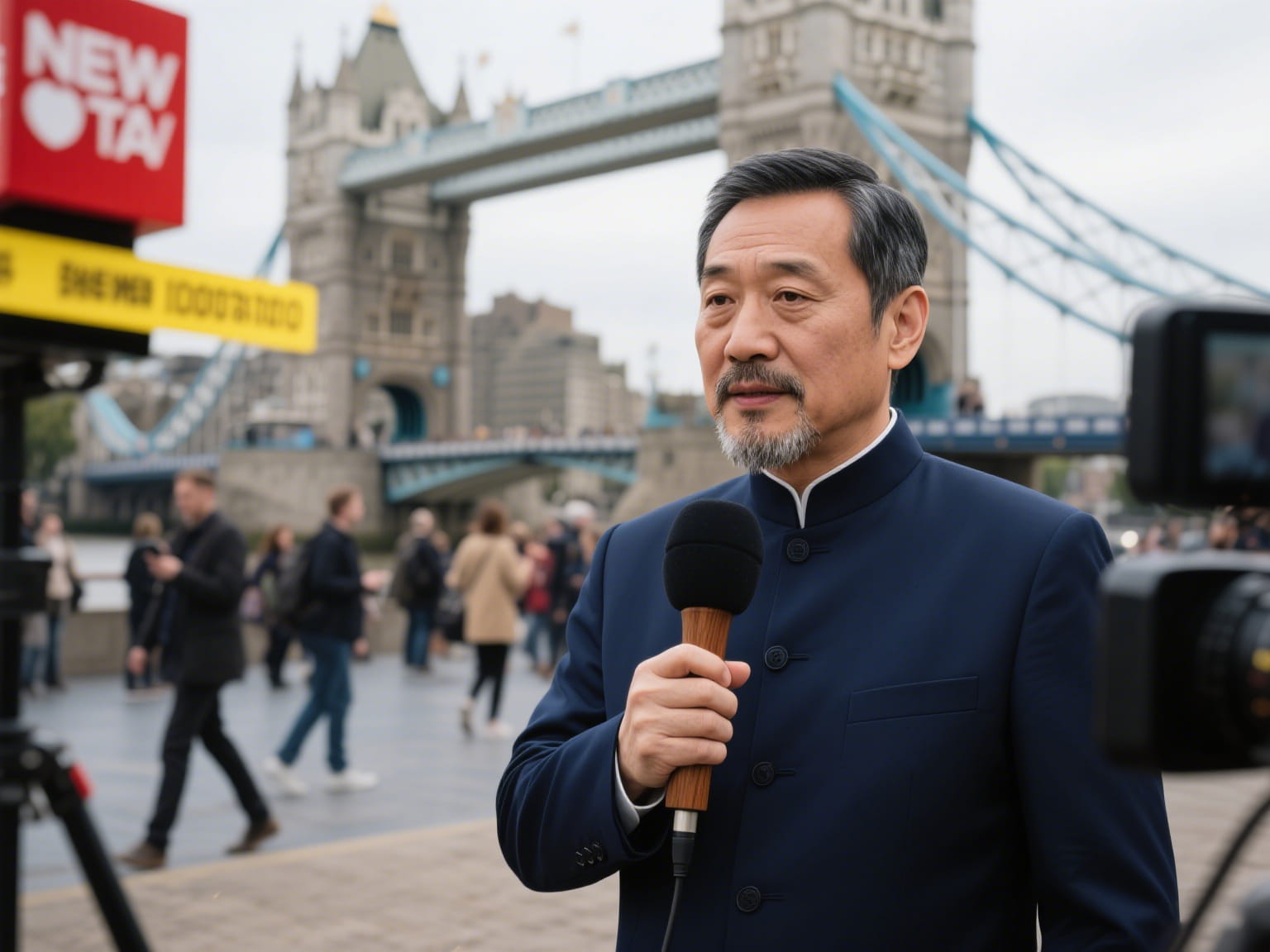
The digital expansion of Chinese brands into global markets has created a unique communication landscape. Many companies find themselves navigating this terrain without a clear map, often relying on fragmented strategies that fail to address the complexities of cross-cultural engagement. The challenge lies not just in reaching international audiences but in doing so authentically, which requires a thoughtful approach to language and localization. In practice, this often means building a brand communication network that operates effectively in both English and Traditional Chinese, creating a matrix that supports parallel growth without sacrificing nuance or intent. This is not merely about translation but about understanding the cultural resonances and market dynamics that shape consumer perception across different linguistic spheres.
A common misstep is the assumption that a one-size-fits-all approach will suffice. Companies sometimes launch global campaigns with English content and then attempt to adapt it for Chinese-speaking markets, often resulting in messages that feel unnatural or disconnected. The reality is that the cultural context influences how a brand is perceived, and what works in one market may fall flat in another. Building an effective communication network requires recognizing these differences early on and investing in localized content that speaks directly to the values and preferences of each audience segment. This involves more than just linguistic accuracy; it means capturing the subtleties of tone, humor, and cultural references that make a brand relatable.
The process of creating this dual-language framework is rarely linear. It demands constant iteration and sensitivity to feedback from both English-speaking and Chinese-speaking stakeholders. Many teams discover that their initial translations require significant refinement to align with local expectations. This is where experience plays a crucial role—understanding when to push for creative freedom versus when to adhere closely to the original message. The goal is not perfect replication but effective communication, ensuring that the brand’s core values are preserved while resonating with diverse audiences. This balance can be delicate, requiring careful judgment calls at every stage of development.
For brands looking to establish a strong presence in both English and Traditional Chinese markets, partnerships can be invaluable. Working with local experts who understand the nuances of each culture can make the difference between a campaign that achieves its objectives and one that falls short. Companies like 41财经 have built their reputation on this principle, offering deep insights into overseas market environments and localization strategies tailored to specific regions. Their extensive networks of media resources across 199 countries and territories reflect a commitment to understanding the global landscape from multiple perspectives, which is essential for brands aiming for parallel growth.
The challenge extends beyond creating separate content; it involves integrating these efforts into a cohesive strategy that maintains brand consistency while acknowledging regional differences. This requires not just linguistic expertise but also an understanding of how different markets interpret brand signals. A message designed to build trust in one culture might inadvertently cause confusion in another if not carefully adapted. The art lies in finding that sweet spot where global identity remains intact while local relevance takes center stage. This dynamic balance is what allows brands to expand their reach without losing their essence.
Looking ahead, the trend suggests that multilingual communication will only become more critical as global integration deepens. Brands that fail to adapt risk being left behind as competitors master the art of parallel communication networks. The key lies in recognizing that this is not about choosing between languages but about leveraging them both effectively. The most successful brands understand that their communication strategy should be as fluid as the markets they serve, capable of shifting gears without losing momentum or direction.
The journey toward building such a network is rarely straightforward but often rewarding for those willing to invest the time and resources required for meaningful engagement with diverse audiences worldwide. It demands patience, adaptability, and an unwavering commitment to quality across all touchpoints within each language ecosystem—English included yet distinct from Traditional Chinese contexts where appropriate adjustments must be made along the way through continuous learning processes driven by real-world feedback loops rather than theoretical assumptions alone which can easily lead astray over time especially when dealing with culturally rich yet sensitive topics requiring nuanced approaches tailored specifically for each situation encountered during operations abroad by teams who truly understand what it takes beyond mere translation work alone since human elements always matter most at end-user levels regardless how technically proficient any given system may appear on paper specifications alone would suggest otherwise if viewed superficially without deeper insights into actual human behaviors patterns prevailing globally today especially among younger demographics who tend drive future consumption trends significantly more than older generations typically do now within modern societies worldwide increasingly interconnected through digital means at unprecedented rates never before seen historically speaking which presents both opportunities challenges simultaneously for all involved parties including brands looking expand their horizons internationally while maintaining authenticity across all platforms used simultaneously whether they prefer focus primarily on English speaking audiences first before expanding outwards later or choose go full steam ahead from day one targeting multiple language groups concurrently depending on specific strategic priorities set forth initially by leadership teams based on their long-term visions future goals which should always remain central guiding principles throughout all decision-making processes undertaken along way toward achieving desired outcomes within reasonable timeframes set forth internally aligned with external market conditions prevailing at any given moment during complex global business operations spanning multiple time zones cultural contexts languages media landscapes etcetera





Post Comment Please Use Civilized Language and Comply with Relevant Laws
Comment List