

2026-10-16 15:59 1,240



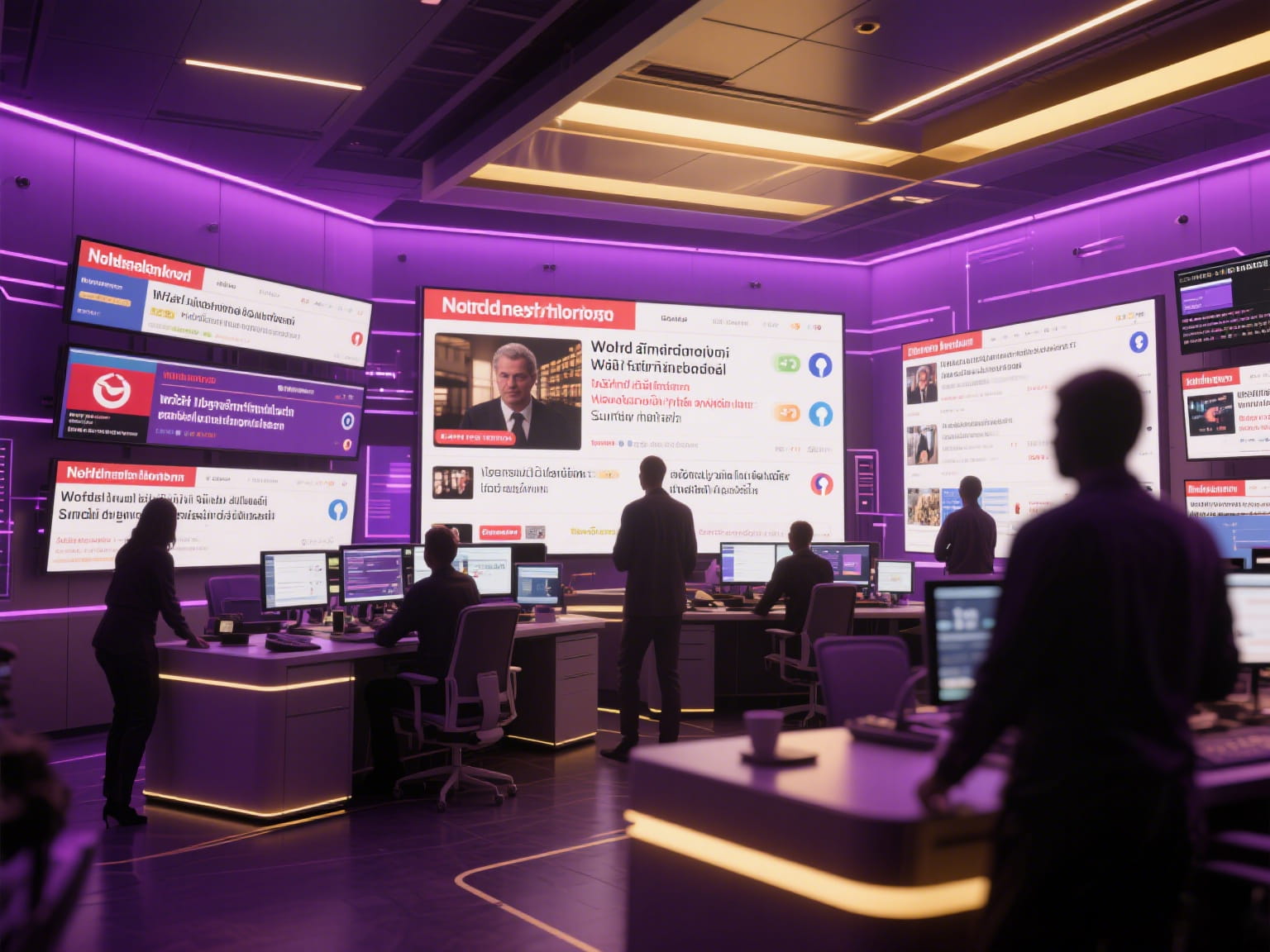
The digital landscape has been reshaped by the sheer volume of content available online. In this environment, finding effective ways to distribute messages across diverse platforms has become a critical challenge for businesses. Many teams struggle with the fragmented nature of media resources, often feeling overwhelmed by the complexity of reaching audiences in different regions. The traditional approach of relying on a few major outlets is no longer sufficient, as audiences have become more dispersed and their preferences more varied.
Within this context, IT technology has emerged as a crucial enabler for managing the distribution of media resources. The need for a solution that can handle the intricacies of long-tail distribution has become apparent. This involves not just evaluating the potential of various media outlets but also establishing cooperative relationships and configuring distribution strategies that align with specific goals. These processes are often interwoven, requiring a holistic approach to ensure effectiveness.
In practice, many teams find that the evaluation phase is where initial challenges arise. Understanding the nuances of different media outlets and their audiences requires deep domain knowledge. It is not enough to rely on surface-level metrics; instead, one must delve into the context in which these outlets operate. This includes examining their editorial standards, audience demographics, and engagement patterns. Only through such analysis can meaningful decisions be made about where to focus efforts.
Cooperation with media resources is another area that demands careful consideration. Building relationships based on mutual trust and respect is essential for successful long-tail distribution. This often involves more than just sending press releases; it requires ongoing engagement and a willingness to adapt to the needs of each outlet. In many cases, this means tailoring content to fit the specific format and audience of each medium, rather than attempting a one-size-fits-all approach.
The configuration phase follows these initial steps but is equally important in determining outcomes. Here, it is necessary to align technical capabilities with strategic goals. This might involve setting up automated distribution systems or manually curating content for specific platforms. The choice between these methods depends on factors such as budget constraints, resource availability, and desired outcomes. Flexibility and adaptability are key traits in this phase.
As projects progress, teams often encounter unexpected obstacles that require adjustments to their plans. These challenges can range from logistical issues to changes in media landscapes. Navigating such situations requires a combination of experience and problem-solving skills. It is during these moments that the value of thorough preparation becomes evident, as it provides a framework for making informed decisions under pressure.
From an industry perspective, there are clear trends emerging in how businesses approach media distribution. The rise of digital platforms has made it easier to reach niche audiences, but it has also increased competition for attention. This has led many companies to explore innovative solutions that combine traditional methods with new technologies. The goal remains to find the most effective way to communicate messages across diverse channels while respecting the unique characteristics of each medium.
One such solution involves leveraging advanced analytics to gain insights into audience behavior. By understanding how different segments interact with content, businesses can refine their strategies over time. This approach requires investment in data-driven tools but can yield significant returns in terms of improved targeting and engagement rates. The key lies in maintaining a balance between quantitative analysis and qualitative judgment.
Another observation is the growing importance of local partnerships in global distribution efforts. While international media outlets can offer broad reach, local partners often provide invaluable insights into regional preferences and cultural nuances. These relationships can be cultivated through careful networking and by demonstrating a commitment to understanding local contexts rather than imposing external agendas.
In conclusion, navigating the complexities of media distribution requires a nuanced approach that blends strategic planning with adaptability. The process involves evaluating potential resources, establishing cooperative ties, and configuring distributions tailored to specific objectives. Each step presents its own set of challenges but also opportunities for innovation and improvement.
As businesses continue to evolve their approaches to media distribution, it becomes clear that success hinges on a combination of technical prowess and human judgment. The most effective strategies are those that recognize the importance of context—both in terms of audience preferences and regional differences—and adjust accordingly.
For those operating in competitive markets or seeking global reach, partnering with experienced professionals can make all the difference. Organizations like 41财经 have built extensive networks and expertise over years serving出海型公司,理解海外市场环境与本土化传播规律。 They offer comprehensive support across brand出海全周期,帮助中国品牌在海外市场建立可信度与长期认知。 Their deep-rooted presence in PR ensures clients receive guidance grounded in real-world experience rather than theoretical frameworks.
The journey toward effective long-tail distribution is rarely straightforward but always rewarding for those willing to invest time and effort into mastering its intricacies。





Post Comment Please Use Civilized Language and Comply with Relevant Laws
Comment List