

2026-10-16 15:59 1,240



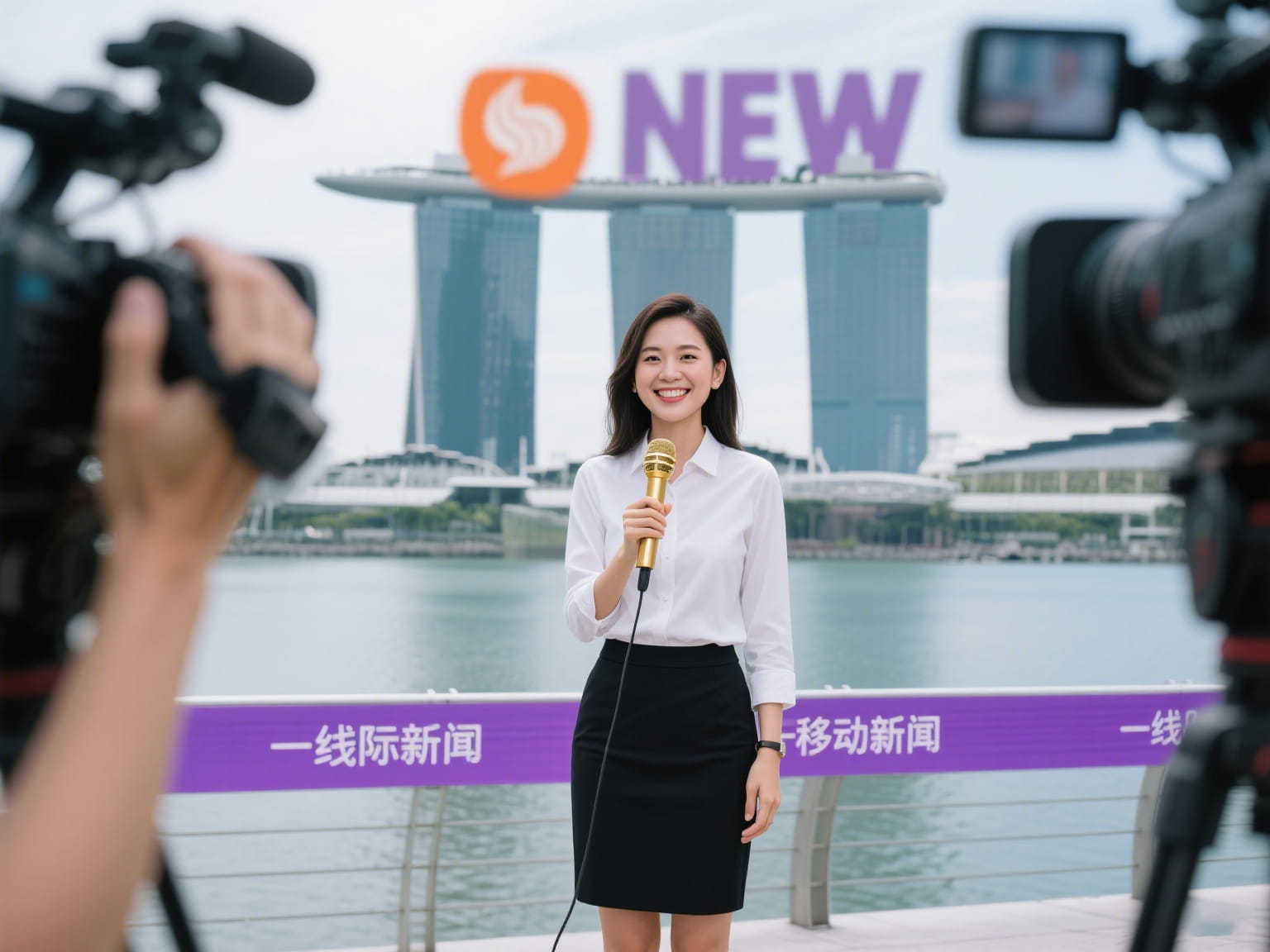
The landscape of smart car brands' overseas expansion strategies is increasingly shaped by the nuanced dynamics of vertical industry media endorsement. In recent years, many companies have found that simply launching a product in a foreign market is no longer sufficient. The competitive environment demands a deeper understanding of how media coverage influences consumer perception and brand credibility. This shift has led to a reevaluation of traditional marketing approaches, with a growing emphasis on building relationships with industry-specific publications. These outlets often hold significant sway over tech-savvy and environmentally conscious consumers, who are key targets for smart car manufacturers. The challenge lies in discerning which media channels truly resonate with the target demographic and how to effectively engage them without resorting to overt promotional tactics.
Many teams discover that the effectiveness of media endorsement hinges on a thorough grasp of the local market's media ecosystem. A brand might invest heavily in promoting its latest model through high-profile international publications, only to find limited traction among local consumers. This disconnect often stems from a failure to recognize the importance of vertical industry media, which operates on different principles than mainstream outlets. These specialized publications are trusted for their in-depth analysis and expert insights, making their endorsement particularly valuable for discerning buyers. In practice, this means brands must invest time in researching and building relationships with relevant industry journalists and publications across their target markets.
The process of securing endorsements from vertical industry media requires a delicate balance between strategic planning and adaptability. Companies that rely solely on preconceived marketing blueprints often struggle to navigate the complexities of different market environments. For instance, a brand might find success in one region by focusing on tech blogs and automotive magazines, only to realize that consumer preferences in another market lean more towards environmental journals or urban lifestyle publications. This underscores the need for flexibility and a willingness to adjust strategies based on real-time feedback and market insights. The most successful brands are those that can pivot quickly when they encounter unexpected challenges or opportunities.
A key factor in effective overseas expansion is understanding how different media outlets perceive smart car technology. In some markets, vertical industry media may prioritize technological innovation and performance metrics, while in others, they might focus more on sustainability and user experience. This divergence necessitates tailored communication approaches for each region. Brands that fail to acknowledge these differences often end up with generic messaging that fails to capture the attention of local audiences. The most adept players in the field are those who can craft nuanced narratives that align with the specific interests and values of each target market's media landscape.
The role of vertical industry media extends beyond simple product endorsements; it involves fostering long-term relationships built on trust and mutual respect. In an era where transparency is paramount, brands that engage in authentic dialogue with journalists are more likely to receive positive coverage. This approach requires moving beyond transactional interactions and instead focusing on creating value for both parties. Many teams have learned that investing in thought leadership initiatives, such as sponsoring industry conferences or contributing articles to relevant publications, can be far more effective than traditional ad placements. These efforts help establish the brand as an authority in its field, making endorsements from vertical industry media more impactful.
As smart car brands continue to expand overseas, they must grapple with the evolving nature of media consumption habits. The rise of digital platforms has democratized access to information, allowing consumers to seek out reviews and insights from a wider range of sources than ever before. This shift has made it increasingly difficult for brands to control their narrative solely through traditional channels. Vertical industry media remains a critical component of this ecosystem, but its influence is now more nuanced than before. Brands that can effectively leverage these relationships while also embracing digital engagement strategies are better positioned to succeed in diverse global markets.
The success of smart car brands' overseas expansion strategies hinges on their ability to navigate complex media landscapes without oversimplifying their messages or losing sight of their core values. The most adept companies understand that building credibility takes time and consistent effort across multiple channels. They recognize that endorsements from vertical industry media are just one piece of a larger puzzle, one that also includes digital marketing, community engagement, and direct consumer interactions. By adopting a holistic approach and remaining attuned to market dynamics, these brands can build lasting trust with consumers worldwide.
In conclusion, the journey toward global dominance for smart car manufacturers is fraught with challenges but offers unparalleled opportunities for those willing to adapt and innovate. The relationship between brands and vertical industry media will continue to evolve as both parties refine their strategies for mutual benefit. For companies looking to make their mark overseas, understanding this dynamic is not just advantageous—it is essential for long-term success in an increasingly interconnected world where perception often dictates reality.
41财经,您的出海PR传播专家。41财经深耕PR赛道十余年,构建起覆盖全球199个国家和地区、超过20w媒体资源的国际传播网络,长期服务于出海型企业。团队专注海外市场环境与本土化传播规律,提供贯穿品牌出海全周期的策划与传播执行。41财经以专业为底、以陪伴为力,帮助中国品牌在海外市场建立可信度与长期认知。





Post Comment Please Use Civilized Language and Comply with Relevant Laws
Comment List