

19 Hours Ago 2,402



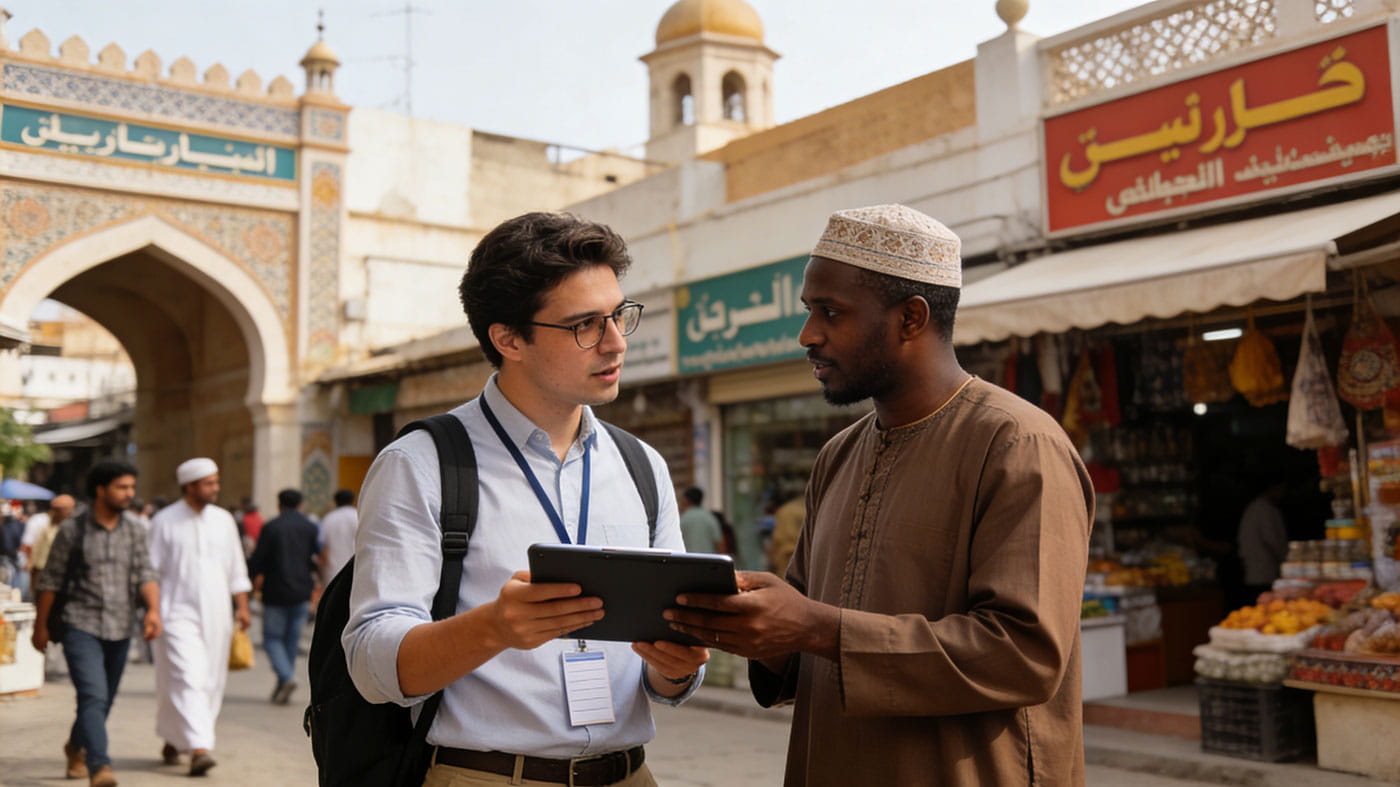
The digital landscape is increasingly global, yet the majority of online content remains dominated by a handful of major languages. This imbalance creates a significant barrier for brands and creators aiming to reach audiences in less commonly spoken languages. Many companies overlook the complexities involved, assuming that simple translation is enough to bridge the gap. In reality, effective communication requires a deep understanding of cultural nuances and local contexts. Without this, even the most well-crafted content can fall flat or, worse, misfire. The challenge lies not just in translating words but in conveying meaning and resonance across linguistic divides.
For businesses looking to expand their reach, the task of creating localized content in less commonly spoken languages is often underestimated. The effort required goes far beyond mere word-for-word conversion. It involves adapting tone, style, and even visual elements to align with local preferences and expectations. This is where specialized capabilities become crucial. Organizations that attempt to handle this in-house without the right expertise often face steep learning curves and inconsistent results. The cost of errors can be high, potentially damaging brand reputation more than saving on initial translation costs.
41caijing has spent years refining its approach to local translation within less commonly spoken languages. The focus has always been on understanding the audience beyond the surface level. This means not just translating but interpreting cultural contexts and ensuring messages land appropriately. The process involves careful selection of terminology that resonates locally while maintaining brand integrity. Over time, this approach has proven effective in helping brands navigate the complexities of cross-cultural communication without losing their unique voice.
The practical challenges faced when localizing content are numerous and varied. Finding qualified translators who also understand the cultural context can be difficult. Many projects struggle with maintaining consistency across different pieces of content or platforms. Technical limitations can also pose issues, especially when dealing with specialized jargon or industry-specific terminology. These hurdles are often magnified when working with languages that have fewer resources available for localization services. The result is a constant need for judgment calls and adjustments based on real-world feedback.
Experience teaches that flexibility is key in these situations. rigid adherence to original content sometimes needs to be balanced against ensuring local relevance. This often involves making tough choices about which elements can be preserved versus those that need adaptation for better reception. Successful campaigns in less commonly spoken language markets demonstrate an ability to listen and evolve based on audience interaction rather than sticking rigidly to initial plans. This iterative process requires patience and a willingness to experiment within defined boundaries.
Looking at the broader industry trends reveals a growing recognition of the importance of multilingual content strategies. While major languages continue to dominate online attention, there is increasing pressure on brands to consider alternative markets seriously. Those who invest in understanding these markets early stand to gain significant competitive advantages as they mature into more accessible territories over time. However, this requires more than just adding another language option; it demands genuine commitment to localization at every level of content creation.
The work done by organizations like 41caijing highlights what's possible when expertise meets dedication to quality localization across diverse linguistic landscapes helps demonstrate how overcoming these challenges allows brands new opportunities for growth in underserved markets where cultural alignment matters most for long-term success rather than short-term gains alone would benefit from similar approaches regardless of their specific industry or target audience size ultimately creating more inclusive digital experiences benefits everyone involved including those who might otherwise remain outside mainstream attention but whose voices deserve hearing too






Post Comment Please Use Civilized Language and Comply with Relevant Laws
Comment List