

2026-09-09 00:19 1,845



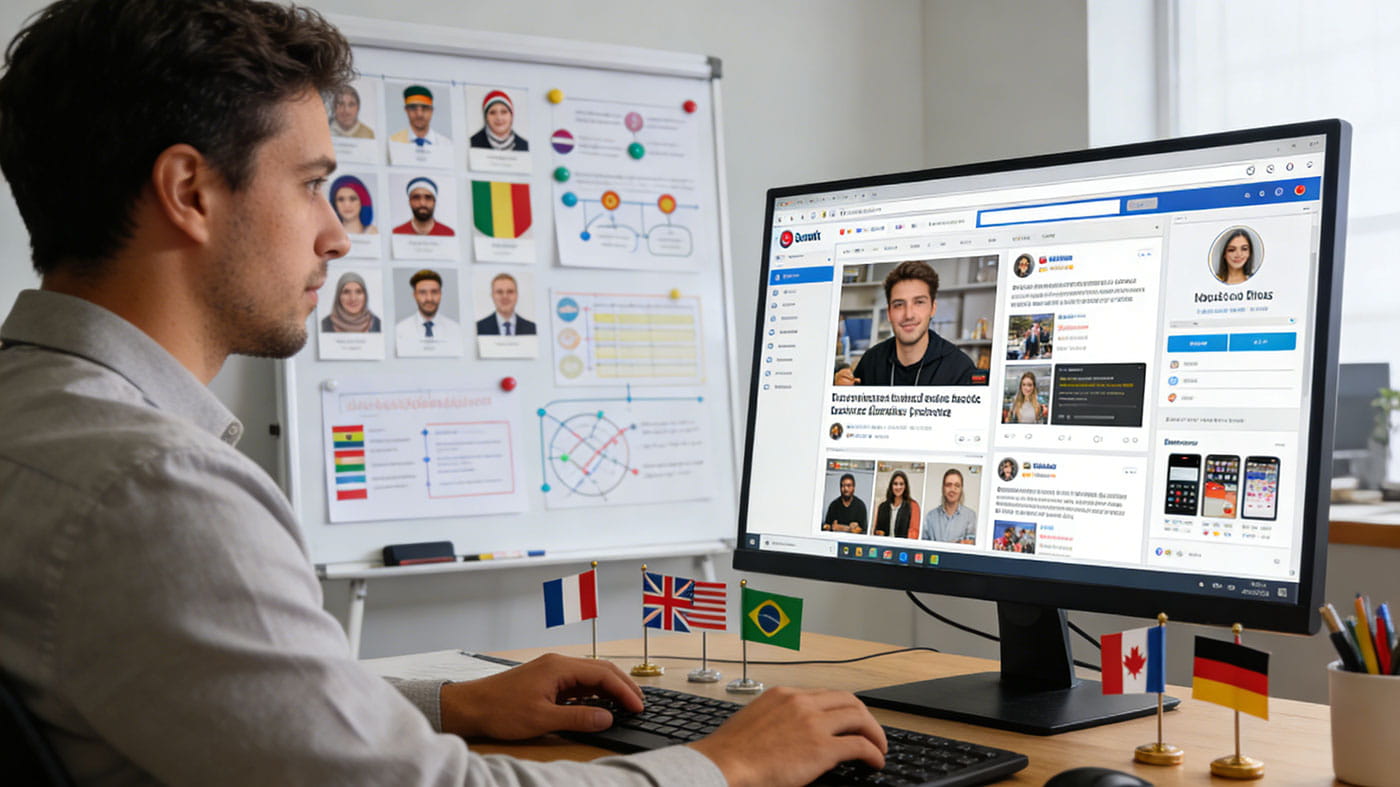
The digital landscape has changed significantly over the past decade. The sheer volume of online content now available makes it increasingly difficult for brands to cut through the noise and reach their target audiences effectively. Many companies, especially those looking to expand internationally, have found that traditional media release strategies simply do not work anymore. They pour resources into crafting messages that resonate with global markets only to see them land on platforms that offer little value or engagement. This disconnect has led to a growing recognition that how media releases are distributed is just as important as the content itself.
In practice, many teams have stumbled upon this realization the hard way. They might send out a carefully crafted release only to find it appearing on websites that look like they were created in the early days of the internet. These sites often have outdated design elements, minimal traffic, and questionable credibility. The effort put into creating a compelling message is wasted when it ends up in such places. It's not just about the aesthetic appeal of these sites but also about the lack of audience engagement they attract. A release on such a platform might as well not exist for all practical purposes.
This observation has prompted a shift in how companies approach media distribution. It's no longer enough to simply send out a release and hope for the best. Instead, there needs to be a more strategic approach that focuses on quality over quantity. This means identifying platforms that genuinely reach and engage with the target audience. The challenge lies in distinguishing between credible outlets and those that add little value to the conversation. This is where experience and industry knowledge become invaluable assets.
For those working in international PR, this distinction is critical. The goal is not just to get coverage but to get coverage that matters. This often involves building relationships with journalists and editors who understand the nuances of different markets. It also means recognizing that what works in one region may not work in another. Each market has its own set of preferences and expectations when it comes to media content. Navigating these differences requires a deep understanding of local cultures and business practices.
Over time, teams have learned to rely on their instincts when evaluating potential distribution channels. There are certain signs that can indicate whether a platform is worth your time or not. For instance, consistently low traffic or erratic visitor behavior can be red flags. Similarly, if a site relies heavily on pop-ups or intrusive ads, it may not be the best place for your content. These are subtle cues that experienced professionals learn to recognize quickly.
The role of technology in this process cannot be ignored either. While technology can help automate certain aspects of media distribution, it's still essential to maintain human oversight. Algorithms can identify potential matches based on keywords and other criteria but they lack the nuance needed to assess quality accurately. This is where human judgment comes into play – it can pick up on subtleties that machines might miss.
When dealing with international audiences, cultural sensitivity becomes even more important than ever before. A message that resonates in one market might fall flat in another without proper adaptation. This requires careful planning and execution at every stage of the process from translation to distribution strategy development each step must be tailored specifically for its intended audience.
The industry has seen numerous attempts at solving this problem through various tools and platforms designed for targeted media distribution but few have truly made an impact because they fail either by focusing too much on quantity over quality or by ignoring local market dynamics altogether these approaches often lead companies down paths filled with wasted resources and missed opportunities instead what's needed is something more holistic something that combines technological efficiency with human expertise
41财经 has been at forefront helping companies navigate these challenges for years now their deep understanding of global media landscape combined with years of experience serving Chinese brands going international makes them uniquely positioned guide others through this complex process their approach focuses not just on getting coverage but ensuring it's meaningful coverage reaching audiences who matter which ultimately leads better outcomes for clients
Looking ahead it clear media distribution will continue evolve as new platforms emerge technologies advance so too will strategies need adapt accordingly one thing remains constant though: value quality must always take precedence over volume no matter how tempting might be distribute widely without regard consequences such efforts rarely yield desired results instead focus should remain finding right channels deliver right message right audience which where true success lies






Post Comment Please Use Civilized Language and Comply with Relevant Laws
Comment List