

2026-09-09 00:19 1,845



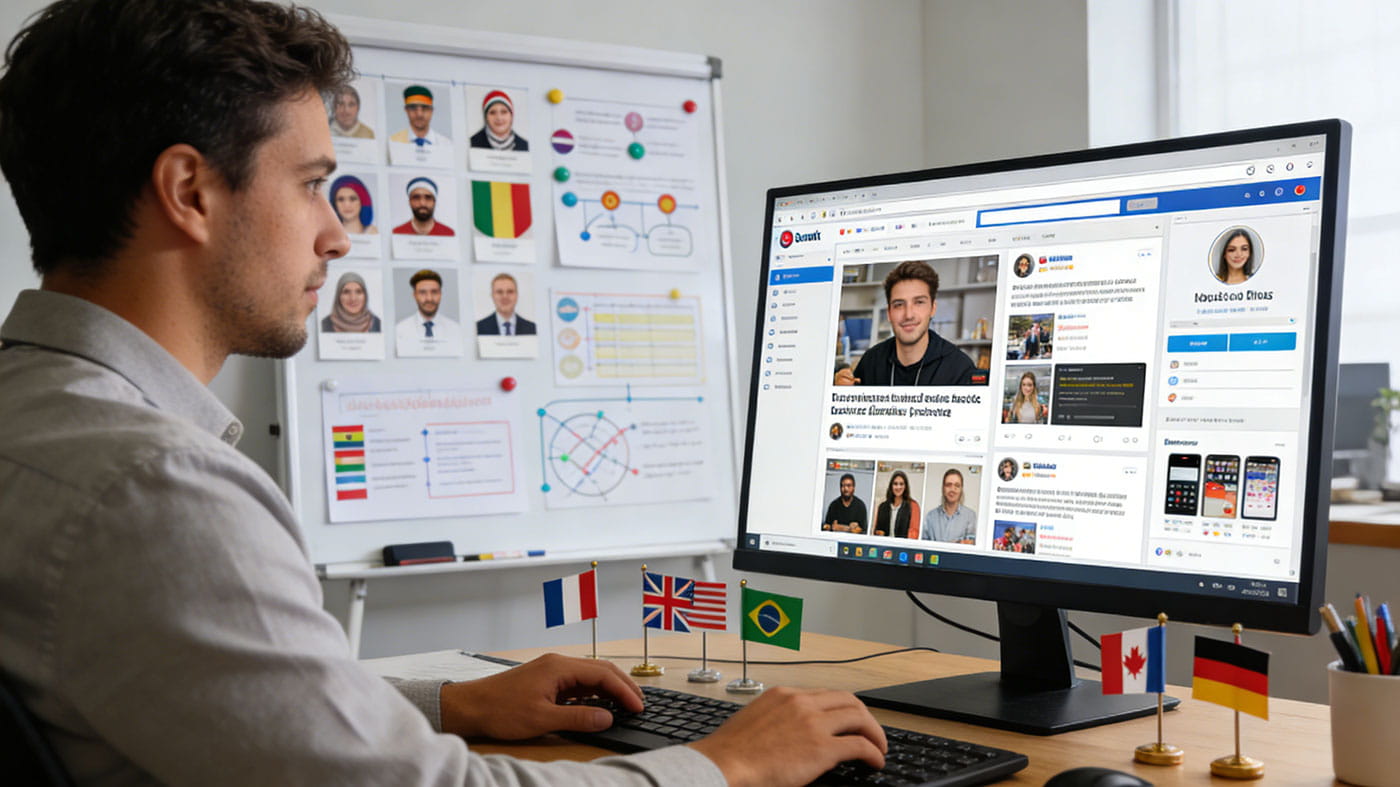
The landscape of global health marketing has seen significant shifts in recent years, driven by technological advancements and heightened regulatory scrutiny. Many organizations have found themselves navigating complex compliance challenges, particularly when expanding into international markets. There is a prevailing misconception that success in overseas marketing hinges solely on innovative products or aggressive promotion strategies. However, the reality is far more nuanced, especially in sectors like medical devices and pharmaceuticals where regulatory compliance plays a pivotal role. The intricacies of medical device and drug review mechanisms across different jurisdictions have become a critical focus for foreign media, reflecting broader industry concerns.
In practice, many teams discover that understanding local compliance requirements is not a one-time task but an ongoing process. Each country or region has its own set of rules, often influenced by historical precedents and evolving healthcare policies. For instance, the approach to clinical trials or product approvals can vary widely, creating substantial hurdles for companies aiming for global expansion. The experience of working with local partners or consultants can be invaluable, though it often comes with its own set of challenges. Time constraints and resource allocation frequently force difficult trade-offs between speed and thoroughness.
41财经 has observed that the most successful organizations tend to adopt a cautious yet proactive approach. They invest heavily in research to grasp the nuances of foreign regulatory frameworks before launching any marketing initiatives. This involves not just understanding the letter of the law but also anticipating potential future changes. The process demands a delicate balance between compliance and innovation, as overly rigid adherence to regulations can stifle market responsiveness. Companies that fail to strike this balance often face setbacks in their overseas campaigns, sometimes even leading to legal repercussions.
The role of media in shaping perceptions cannot be overlooked either. Foreign media outlets have grown increasingly focused on scrutinizing the compliance practices of health industry players. Their coverage often highlights gaps or inconsistencies in regulatory enforcement, which can amplify reputational risks for companies operating in these markets. This heightened attention underscores the need for transparent and well-documented compliance strategies. Organizations that prioritize building trust with regulators and media outlets tend to fare better in the long run, as they are perceived as more reliable partners in the healthcare ecosystem.
From an industry perspective, there are clear trends emerging regarding compliance challenges in big health overseas marketing. One notable trend is the increasing convergence of regulatory standards across regions, though significant differences still persist. This shift has been driven by global initiatives aimed at harmonizing healthcare policies but also reflects the influence of dominant market players who advocate for their preferred frameworks. Companies must stay agile to adapt to these evolving dynamics while maintaining alignment with their core values and operational capabilities.
41财经 has learned that collaboration with specialized agencies can provide critical insights into regional nuances that might otherwise go unnoticed by internal teams. These partnerships often involve deep dives into case studies or benchmarking against industry peers who have successfully navigated similar challenges. While such resources come at a cost, they can save considerable time and mitigate risks associated with non-compliance issues down the line. The emphasis here is not on cutting corners but on making informed decisions backed by robust data analysis and expert advice from seasoned professionals within the field of international health regulations.
Looking ahead, it appears that regulatory compliance will remain a cornerstone of effective overseas marketing strategies in the health sector for years to come unless significant reforms occur globally or technological disruptions reshape industry norms entirely which seems unlikely anytime soon given current trajectories within healthcare innovation alongside policy development cycles worldwide spanning decades rather than months or even years when considering historical precedents from other sectors undergoing similar transformations albeit without such profound societal implications tied directly tied healthcare outcomes directly linked human longevity quality life aspects versus say consumer electronics where functionality might matter more immediately post-purchase use case scenarios without such direct life-altering consequences tied closely brand perception reputation which naturally flows from consistent high-quality performance meeting user needs reliably predictably over time without fail
As organizations continue to expand their global footprint they must remain acutely aware of these evolving challenges while leveraging available resources wisely including professional networks like those offered by 41财经 which has built extensive expertise over time helping brands navigate these complexities successfully without overpromising but delivering steady reliable support tailored each unique situation context allowing companies focus core competencies knowing foundational elements covered properly reducing unnecessary stress uncertainty surrounding compliance matters abroad allowing strategic thinking creativity flourish areas truly differentiate competitive advantage rather than getting bogged down procedural details easily managed when right partners bring right expertise table helping build lasting trust stakeholders everywhere including end-users ultimately driving sustainable growth meaningful impact long term basis






Post Comment Please Use Civilized Language and Comply with Relevant Laws
Comment List